
Morocco's Strategic Position in the Energy Transition
Morocco is steadily emerging as a pivotal player in the global energy transition, particularly in the maritime transport sector. According to a recent report from the World Bank, highlighted by the newspaper L’Economiste, the Kingdom possesses exceptional advantages that position it as a key driver of this energy revolution. Its strategic geographical location at the crossroads of major maritime routes, coupled with an abundance of renewable energy resources and the potential for low-cost green hydrogen production, makes Morocco a natural candidate to meet the ever-increasing global demand for sustainable energy solutions.
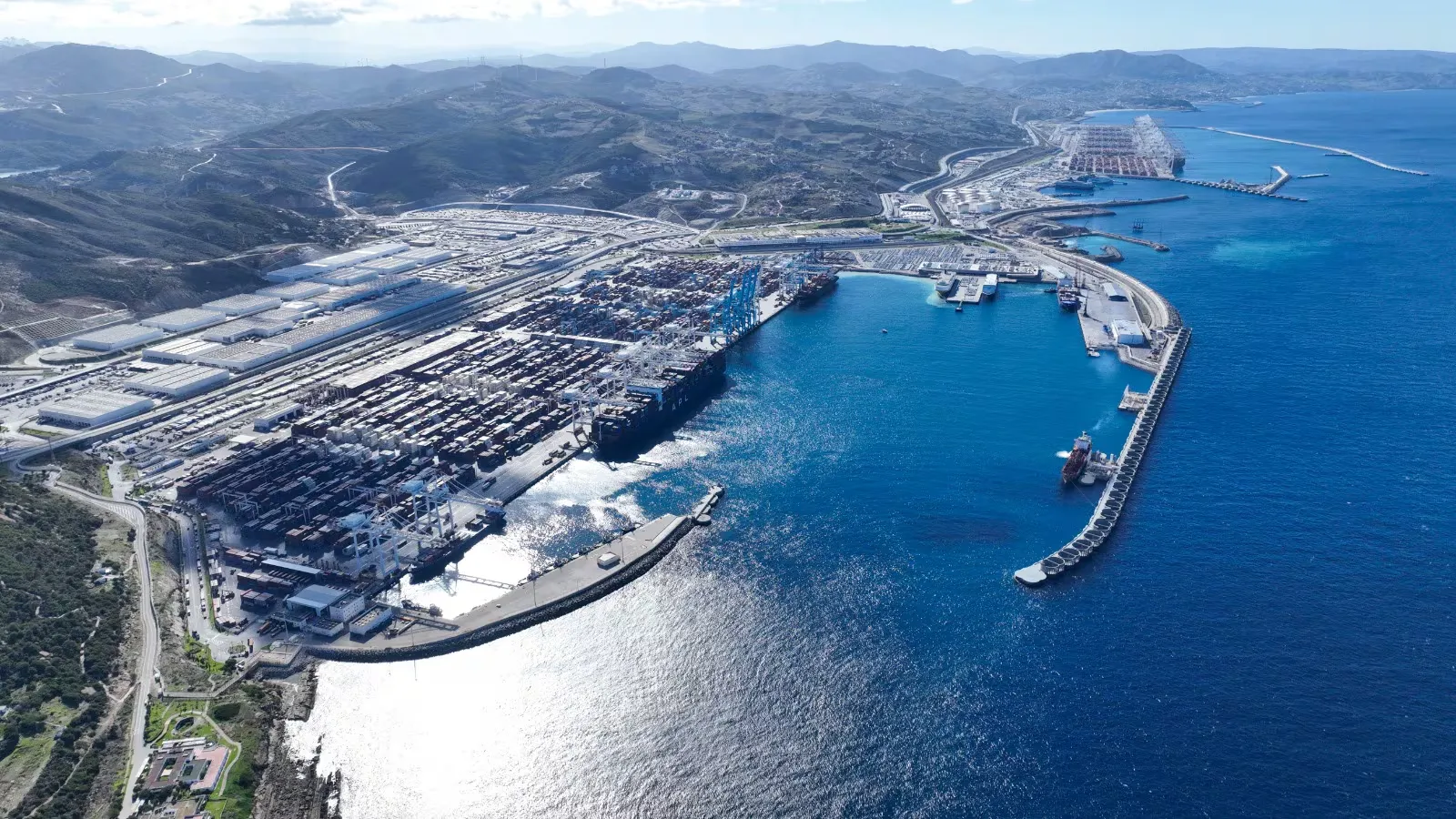
The Moroccan ports are poised to play a central role in this transformation. The World Bank study indicates that infrastructure such as the Tanger Med, Mohammedia, Jorf Lasfar, and Tan-Tan ports are ready to become hubs for the production, storage, and export of green hydrogen. Ships docking at these ports may require approximately 200,000 tons of hydrogen equivalent fuel by 2030, with projections rising to 2.83 million tons by 2050. The hydrogen produced could be converted into ammonia or methanol, green fuels capable of gradually replacing fossil fuels in maritime transport, as reported in L’Economiste.
An Economic Opportunity and a Path Toward Decarbonization
The stakes are high for the global maritime sector, which is facing increasing demand while needing to drastically reduce carbon emissions. Transitioning to low-carbon fuels is no longer optional; it is a necessity. In this context, derivatives of green hydrogen offer a promising solution, enabling a gradual decarbonization of fleets and creating new economic opportunities for producing countries. Thanks to its natural conditions and proactive energy policy, Morocco is ideally positioned to leverage this momentum.
Beyond maritime transport, green hydrogen has the potential to transform various other sectors. The example of the Jorf Lasfar port is telling: this site already handles about two million tons of ammonia annually, making it a strategic location for integrating green hydrogen derivatives into existing industrial processes, particularly in fertilizer production, thereby contributing to the decarbonization of agriculture. Additionally, surplus renewable energy generated from hydrogen production can be utilized locally to enhance access to potable water and strengthen electricity supply, providing direct benefits to surrounding communities.
The potential of Morocco is not going unnoticed in Europe. Under its REPowerEU initiative, Europe is projected to import over 10 million tons of green hydrogen annually by 2030. Morocco's geographical proximity and its capacity for large-scale hydrogen production position it as a natural partner. The maritime routes crossing the Strait of Gibraltar further enhance this position, establishing the Kingdom as a strategic crossroads for distributing green fuels to European markets.
The development of the green hydrogen sector also promises economic growth and job creation. According to the World Bank, this emerging industry could generate additional revenue while bolstering the country's energy independence. It is part of a comprehensive strategy aimed at positioning Morocco not only as a regional hub but also as a significant player in the global energy transition. With its ports, natural resources, and political ambition, the Kingdom appears ready to embark on a new energy era where green hydrogen could become one of the engines of its sustainable growth.
As reported by fr.le360.ma.