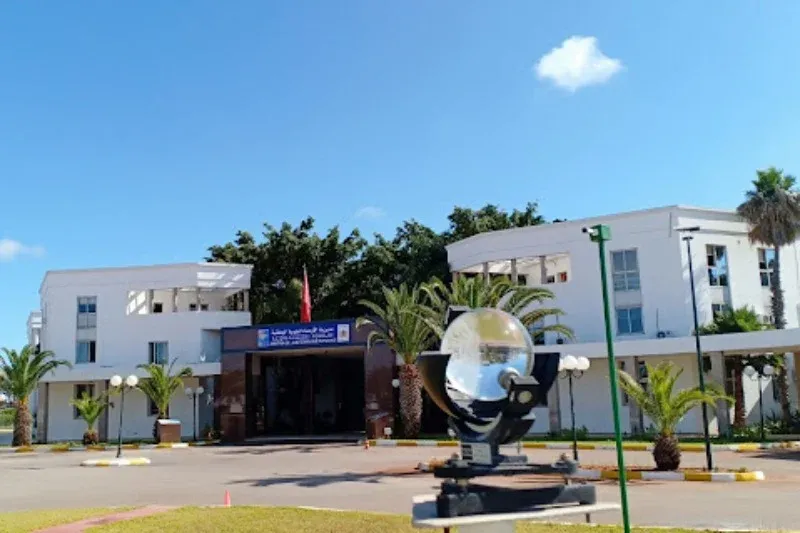

Creation of the Moroccan Weather and Climate Agency
In a significant move aimed at enhancing the country's weather forecasting and climate data management, the Moroccan government has approved a transformative bill that will establish a dedicated national agency for weather and climate. This new entity, known as the Moroccan Weather and Climate Agency, is set to become the sole official source for all meteorological forecasts and warnings across the nation. The legislation, identified as Bill 05.26, seeks to elevate the status of the General Directorate of Meteorology from a conventional administrative unit under the Ministry of Equipment and Water to an autonomous public institution with financial independence.
Enhancing Weather Services and Data Protection
The government anticipates that this transition will not only provide greater operational flexibility but also significantly improve the quality of weather and climate information available to the public. One of the primary objectives of the agency will be to manage weather-related risks more effectively. The agency will be bestowed with the exclusive authority to issue public weather forecasts and warnings and will implement a comprehensive national system dedicated to the collection, processing, storage, and dissemination of meteorological and climate data.
In addition to its primary functions, the agency will support various public climate and weather initiatives, facilitate international data exchanges, and provide crucial information for disaster management and national defense. It will also deliver specialized meteorological services tailored to the aviation and maritime sectors. Furthermore, under contractual arrangements, the agency will be equipped to extend its expertise, data, studies, and technical support to government bodies, public institutions, and private entities.
In response to challenges highlighted by Morocco’s Court of Auditors and General Finance Inspectorate—such as limited funding and barriers to accessing international financial contributions—the proposed legislation also includes measures to safeguard weather stations and meteorological information. Although the specifics regarding penalties for breaches have not yet been disclosed, the draft law aims to enforce a strict protective framework for meteorological data. Existing observation stations will be granted a one-year grace period to register with the new agency, ensuring a smooth transition. Moreover, current employees of the General Directorate of Meteorology will be absorbed into the new agency, preserving their rights and benefits while also inheriting all state contracts related to meteorological studies, equipment, and services.
As the Moroccan Weather and Climate Agency prepares to assume its pivotal role, it remains to be seen how this centralization will impact private forecasting services, media outlets, universities, and businesses involved in weather data collection and dissemination.
As reported by en.hespress.com.