
Controversy Surrounds AFCON Final Referee's Decision
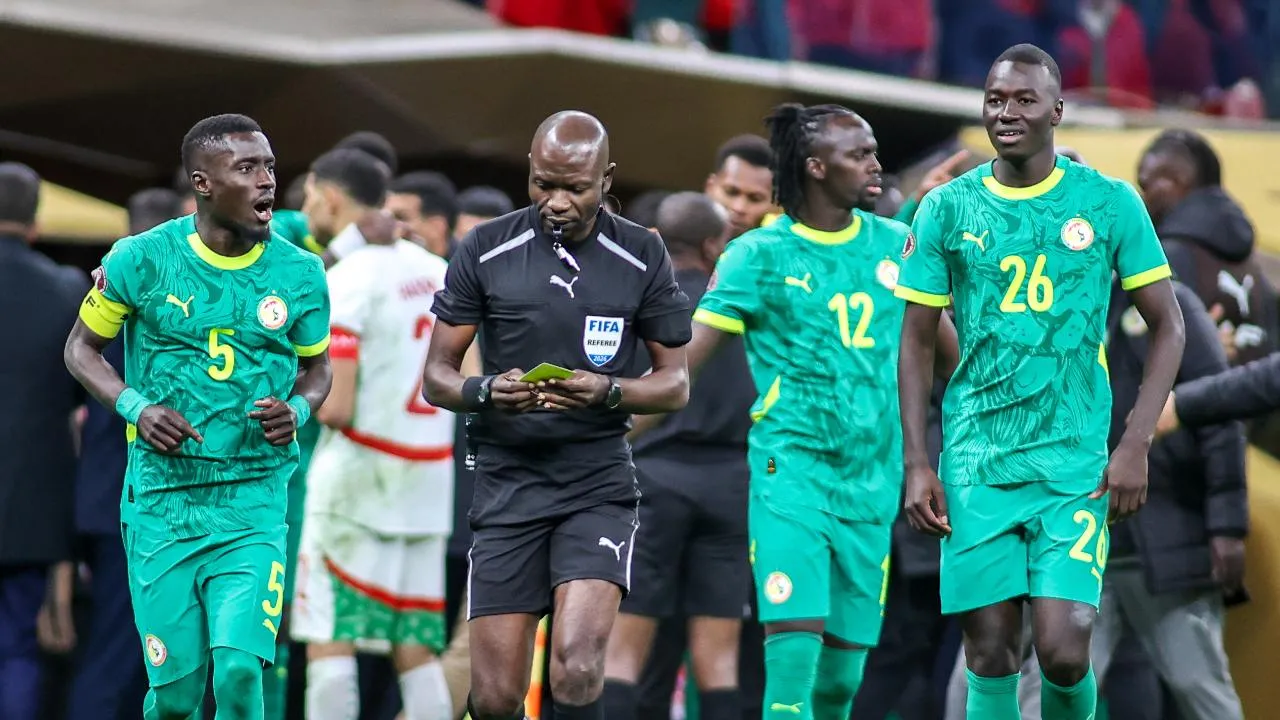
In the aftermath of the recent Africa Cup of Nations (AFCON) final between Morocco and Senegal, the referee's actions have come under intense scrutiny. Former president of the Senegalese Football Federation, Augustin Senghor, has publicly criticized the officiating during the match, which concluded with Morocco being awarded the championship title under contentious circumstances. This decision was made by the Confederation of African Football (CAF) following the controversial withdrawal of several Senegalese players from the pitch after a penalty was awarded to Morocco. The Senegalese response has been fervent, with ongoing debates about the legitimacy of the CAF's ruling.
As the situation unfolds, Moussa Mbaye, a member of the Senegalese Football Federation's Executive Committee, announced plans to formally submit an appeal to the Court of Arbitration for Sport (CAS) regarding this decision. This announcement is crucial as it counters speculation that the CAS had already suspended the CAF's ruling. The Senegalese officials remain adamant in their stance, with Senghor expressing disappointment over the players' reactions during the final. "I am Senegalese and I regret that there was this reaction," he stated in an interview, emphasizing the need for accountability and adherence to the rules of the game.
Calls for Fairness and Accountability in Officiating
Senghor's comments have sparked a broader discussion about the implications of the CAF's decision. He criticized the notion of penalizing the effects of actions without addressing the root causes, likening it to a dog chasing its tail—ineffective and superficial. He urged the CAF to respect existing rules and pointed out that if the organization believed a significant situation had occurred that warranted action due to the high-profile nature of the final, it should not overstep its authority. "The role of disciplinary bodies is not to create new laws but to enforce existing ones," he emphasized, arguing against arbitrary decisions that could undermine the integrity of the sport.
Furthermore, Senghor brought attention to the referee's critical mistake during the match, highlighting that the referee, Jean-Jacques Ngambo Ndala, had the ultimate authority on whether to continue the match. He noted that had the referee contested the match's outcome in his report, it could have prevented the lengthy deliberation that followed. The entire situation raises questions about the decision-making processes within CAF and the accountability of match officials.
As reported by sports.fr.