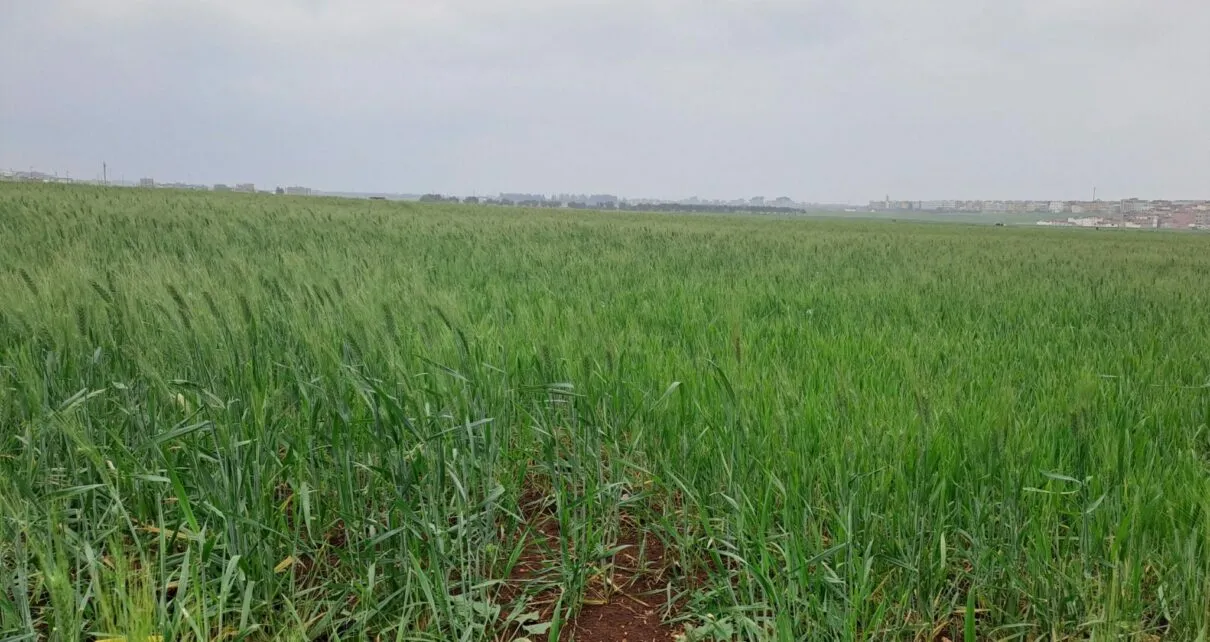
Morocco's Agricultural Landscape Transformed by Abundant Rainfall
In a dramatic turn of events, Morocco's agricultural sector is witnessing a remarkable recovery during the 2025-2026 season, largely attributed to an unprecedented amount of winter rainfall. After enduring prolonged periods of drought that hindered crop production and strained water resources, the recent rains have revitalized various agricultural areas across the country, instilling a sense of cautious optimism among farmers and agricultural experts alike.
The General Directorate of Meteorology has reported that the national average rainfall from December through February reached an impressive 136 mm, nearly double the seasonal norm of 71 mm. This places the current winter as the third wettest since 1981, signaling a much-needed turnaround for the agricultural sector. The surge in rainfall has also led to a significant increase in dam fill rates, which have risen from a mere 27.6% to an encouraging 70.7%. Notably, 37 reservoirs have surpassed 80% capacity, with 13 already overflowing, resulting in a total of 13.87 billion cubic meters of water inflows—representing a staggering 130% surplus compared to the national annual average.
Impact on Crop Production and Future Challenges
The timing of these rains is particularly advantageous for cereal crops, which dominate Morocco's agricultural production. As Mohamed Taher Sraïri, a professor at the Hassan II Agronomic and Veterinary Institute, highlights, the current phase of ear formation in cereal crops is crucial, as it largely determines the final yield. This is especially true for rain-fed farming zones, where the sustained moisture is essential for crops to complete their growing cycles without interruptions. Current estimates for cereal production vary between 6 to 9 million tons, depending on the source.
Moreover, satellite imagery has confirmed a nationwide improvement in vegetation health, with positive Normalized Difference Vegetation Index (NDVI) readings across the country. Forage crops like oats and triticale are flourishing, while legume cultivation, including broad beans, has seen significant expansion. Additionally, spring-flowering fruit trees such as peaches, nectarines, and apricots are currently in full bloom, further enhancing the agricultural landscape.
Nevertheless, the season has not been without its challenges. The Gharb and Loukkos regions experienced flooding, which has adversely affected citrus and soft fruit crops, resulting in substantial losses that will be difficult to recover swiftly. Experts also caution that climate change projections indicate a potential 20 to 30% decline in water resources by 2050. This reality underscores the urgent necessity for Morocco to adapt its agricultural planning, crop selection, and irrigation strategies to align with the evolving hydrological conditions.
As reported by northafricapost.com.