
Morocco's Agricultural Sector on the Rebound
In a promising announcement, Moroccan Prime Minister Aziz Akhannouch revealed that the agricultural sector is projected to experience a remarkable growth of 15% this year. This statement, made during a weekly press briefing following a cabinet meeting on March 12, highlights the positive impact of returning rainfall, which has significantly enhanced the prospects within the sector. Despite facing challenges such as flooding in certain northern and western regions, the cumulative rainfall recorded from September 1, 2025, to March 11, 2026, reached an impressive 462 millimeters. This figure represents a substantial 134% increase compared to the same period last year and is 56% above the 30-year average, signifying a much-needed end to seven years of drought.
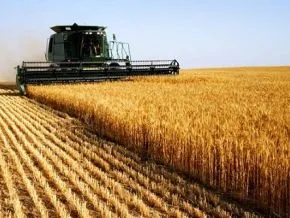
The revival of these climatic conditions is not merely a relief for farmers but indicates a broader recovery across various agricultural activities. The prolonged drought had previously resulted in the loss of nearly one million jobs in the sector, making this growth forecast a beacon of hope for many. Government spokesman Mustapha Baitas noted a significant increase in the areas cultivated with durum wheat, soft wheat, and barley, which now spans 3.9 million hectares, marking a 48% rise from the previous year. This increase is viewed as a positive development for the cereal sector, which has been adversely affected by water scarcity, heatwaves, and a decrease in planted areas.
Support for Farmers and Economic Implications
Additionally, land dedicated to sugar crops, including sugar beet and sugarcane, has also seen a year-on-year increase of 21%, reaching 44,000 hectares. However, it is worth noting that approximately 11,000 hectares were impacted by recent flooding. The Moroccan government is taking proactive measures to support farmers, including providing direct state subsidies and subsidized fodder barley, which is crucial for livestock feed. This assistance is especially vital as the livestock population has suffered greatly due to the drought, with official estimates indicating a 38% loss in cattle and sheep since 2016. The effects of the drought have not only degraded pastureland but also resulted in soaring feed prices, compelling the country to cancel the traditional sheep sacrifice for Eid al-Adha in February 2025 due to livestock scarcity.
The anticipated growth in the agricultural sector holds broader economic implications, particularly in reducing import volumes and associated costs. As per the latest projections published by the High Commission for Planning, national cereal production is expected to surpass 8 million metric tons in the 2025/2026 season, nearly 80% higher than the estimated 4.4 million metric tons for 2024/2025. This could potentially mark the best harvest since the 2020/2021 season, when production reached 10.3 million metric tons. In 2024, Morocco's cereal import bill amounted to nearly 27 billion dirhams (approximately $2.9 billion), accounting for 29% of the country's total food import expenditure. With agriculture contributing roughly 10% to the nation's gross domestic product and employing over a third of the active workforce, the forecasted growth is not just beneficial for farmers but is pivotal for the overall economic landscape of Morocco.
As reported by ecofinagency.com.