
Impact of Extreme Climate Conditions on Moroccan Agriculture
According to a recent report from the United Nations’ Food and Agriculture Organization (FAO) and the World Meteorological Organization (WMO), Morocco's agricultural sector has faced significant challenges due to extreme climate conditions between 2022 and 2024. The report, titled "Extreme Heat and Agriculture," highlights a troubling trend: the frequency, intensity, and duration of extreme heat events have escalated sharply over the last fifty years, resulting in dire consequences for agrifood systems and landscapes in the country. Specifically, it emphasizes that the period from 2022 to 2024 has been one of the most challenging times in recent history for Morocco, particularly given the interconnectedness of its natural ecosystems and agricultural systems to the intensifying climate extremes.
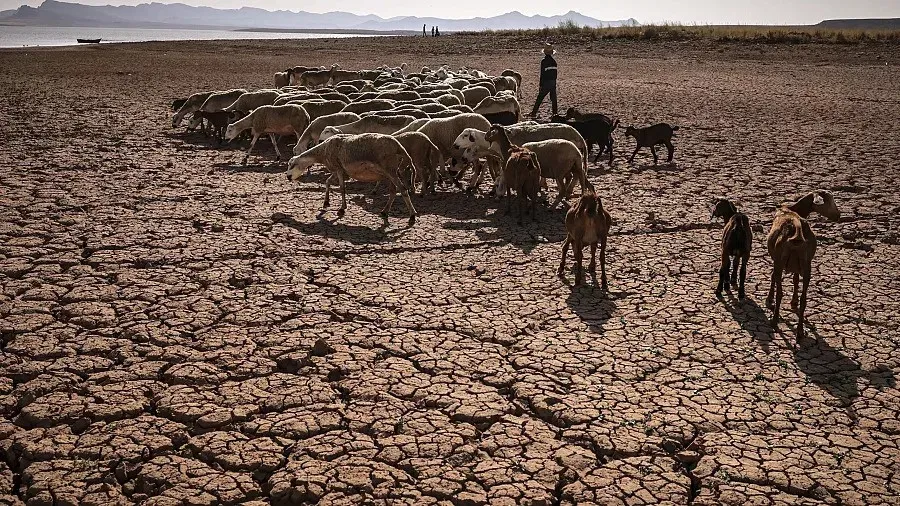
During these years, Morocco experienced a devastating six-year drought coupled with multiple heatwaves, including an extraordinary 11-day heatwave in March 2023 and a 10-day heatwave in July 2024, where temperatures frequently soared above 40°C. The compounded effects of extreme heat and persistent water scarcity led to drastic agricultural losses. Notably, cereal yields plummeted by 43% during the 2023-2024 season, reaching a historic low, while wheat production fell to its lowest level in over 15 years. The repercussions extended to high-value crops, where heatwaves resulted in significant fruit drop and a reduction in the oil content of olives, and a sharp decline in citrus production and exports.
Broader Environmental Consequences and Economic Vulnerability
The impact of these extreme conditions was not limited to crops; livestock production also suffered significantly due to heat stress and forage shortages, leading to decreased milk yields and meat production. Consequently, many farmers were forced to reduce their planting activities or abandon crops altogether, particularly in rainfed areas, which heightened economic vulnerability within rural communities. These adverse conditions precipitated broader environmental damage, with forests experiencing severe wildfires—recording an alarming 22,760 hectares burned in 2022, primarily in the Rif region. Water resources were severely affected as well, with dam and groundwater levels reaching some of the lowest ever recorded by the summer of 2024. This disruption in water availability led to challenges in water distribution, drinking water shortages, and forced irrigation restrictions, as noted in the report.
Despite these overwhelming challenges, there is a glimmer of hope for Morocco’s agricultural sector. The winter of 2025 brought a much-needed reprieve in the form of abundant rainfall, signaling an end to the prolonged six-year drought and paving the way for potential recovery in the agricultural landscape.
As reported by en.yabiladi.com.