
Morocco Eyes 2030 World Cup Glory
Morocco is emerging as a formidable force in the world of soccer, having reached the latter stages of consecutive World Cups and now setting its sights on winning the upcoming tournament. After their impressive victory over the Netherlands in the knockout stages of the 2026 World Cup, Moroccan coach Mohamed Ouahbi expressed pride in the team’s accomplishments, stating, "Morocco has gained everybody’s respect now. It’s not because of what we’ve said. We’ve now shown it." This newfound respect comes as Morocco positions itself not only to compete but also to host the final of the 2030 World Cup, competing against Spain and Portugal for the prestigious event.
Following their historic run to the semifinals in the 2022 World Cup, Morocco has significantly increased its investments in sports infrastructure, pouring funds into stadiums and youth academies. This strategy is aimed at establishing the nation as Africa's premier soccer hub. The country previously hosted the 2026 African Cup of Nations, where they faced challenges on the field, but a subsequent court ruling overturned the final loss, keeping the nation’s spirits high.
A key aspect of Morocco's rise in soccer is its strategic recruitment of diaspora players with dual nationality. The national team has successfully enlisted stars from various European nations, including France, Belgium, the Netherlands, and Spain, thereby bolstering its competitive edge and fostering stronger connections with Moroccan communities across the globe. At home, however, this push towards soccer excellence has not been without controversy. Over a billion dollars has been allocated for stadium developments, which has sparked protests among citizens, particularly younger generations calling for improvements in healthcare and education instead.
Morocco’s growing influence on the global soccer stage is evident, and it is viewed as a positive case study of a nation quietly developing into a powerhouse while simultaneously gaining political leverage. An anonymous official linked to European soccer leadership noted, "One of the positives of the World Cup is that every four years you’re reminded that there is incredible talent and ambition and passion for the sport outside of Europe; and for all its faults, one message that FIFA firmly has right is that football belongs to the world, not only Europe." Morocco's passionate fanbase has also played a significant role in gaining attention and support during international competitions.
The Road Ahead for Morocco
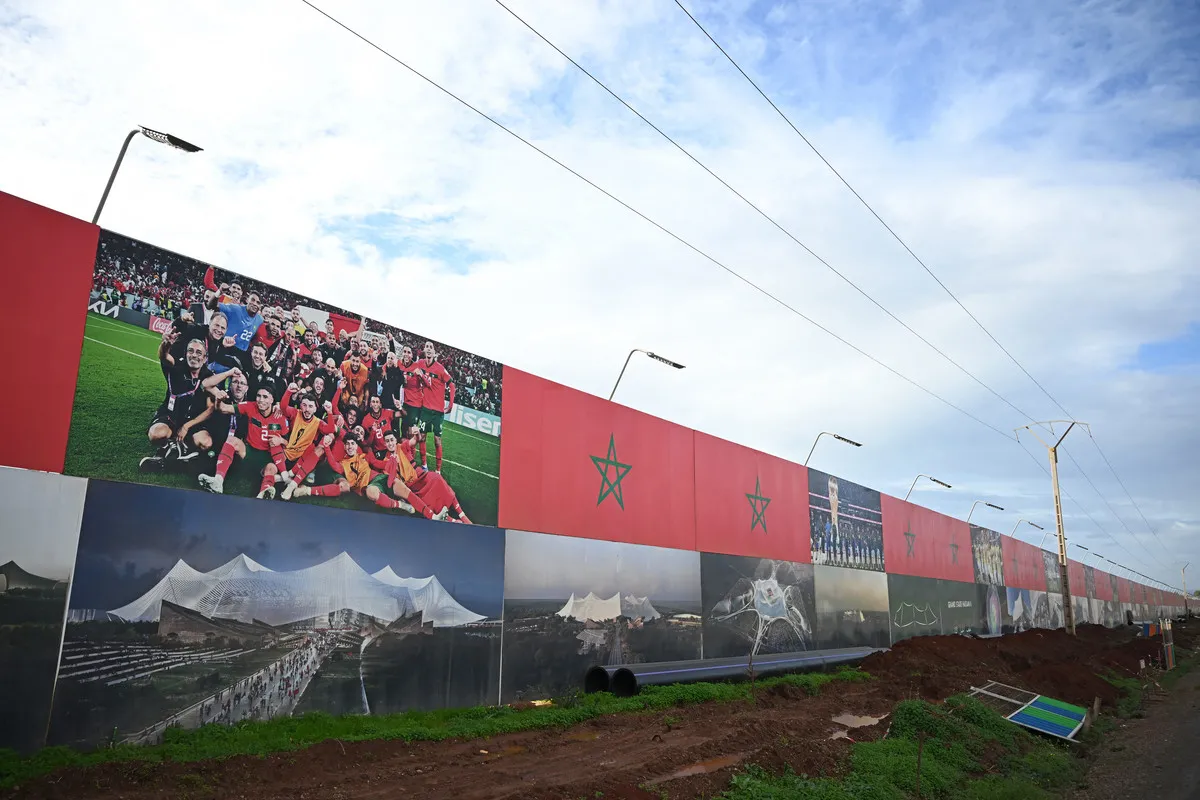
The next crucial moment for Morocco will be when FIFA decides the location for the 2030 World Cup final, following its acceptance of a joint bid from Morocco, Spain, and Portugal. While Spain boasts iconic venues like Camp Nou and Santiago Bernabéu, Morocco is preparing to present the yet-to-be-constructed Stade Hassan II, a massive 115,000-capacity stadium near Casablanca, which is expected to be completed by the end of 2027. This ambitious project is seen as pivotal for Morocco's aspirations to host the final and for solidifying its status as a leading soccer nation.
As Morocco continues its journey through the 2026 World Cup, the eyes of the world will be watching closely to see how it navigates the challenges and opportunities that lie ahead. The nation is determined to showcase its talent, passion, and potential, not just on the field but also as a host of one of the most significant events in the sport. The outcome of this World Cup will undoubtedly shape the future of Moroccan soccer and its global standing.
As reported by politico.com.