Desalination: A Key Solution in the Era of Water Scarcity
As the global community grapples with the pressing challenge of water scarcity, particularly in the face of climate change, countries around the world are increasingly turning to desalination as a viable solution for converting seawater into fresh water. In 2024, over 22,000 desalination plants were operational worldwide, predominantly situated in the Middle East and North Africa—regions that are particularly vulnerable to dwindling water resources. Notably, Morocco has set a bold goal to derive 60% of its drinking water from the ocean by 2030, signaling a significant shift in its water management strategy.
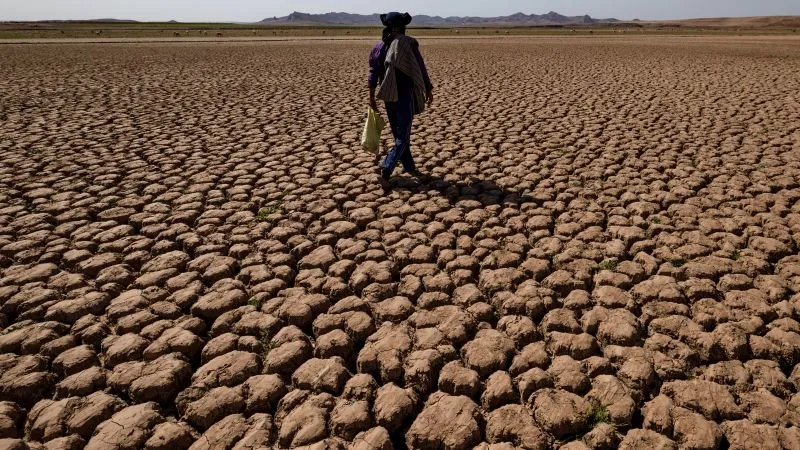
Despite the recent end of a seven-year drought, which saw reservoirs replenished after heavy winter rains, Morocco’s long-term water strategy remains focused on desalination. Nizar Baraka, the country’s Minister of Equipment and Water, emphasized that reliance on traditional water sources like rainfall and dam inflows is no longer adequate. He noted that the drought is no longer perceived as a temporary issue but rather as part of a structural transformation in the climate cycle.
Investing in Sustainable Water Solutions
Morocco’s ambitious desalination initiative includes the construction of Africa's largest desalination plant, located approximately 25 miles south of Casablanca. This project, with an investment of $650 million, is designed to be entirely powered by renewable energy, harnessing the potential of a 360-megawatt wind farm situated in the disputed territory of Western Sahara. The first phase of the plant is set to commence operations in February 2027, with full capacity expected to provide 79 billion gallons of drinking water annually for 7.5 million residents and irrigate 20,000 acres of farmland.
Currently, Morocco operates 17 desalination plants that produce around 108 billion gallons of fresh water per year, a remarkable increase from just nine times that amount in 2021. To further their desalination efforts, the country has adopted public-private partnerships (PPP), with significant financial backing from Spain’s Acciona, a multinational conglomerate specializing in renewable energy and water management. This collaborative approach is part of a broader national water plan, which allocates approximately $14 billion to various water management projects, including dam construction and wastewater reuse.
While desalination technology, particularly seawater reverse osmosis (SWRO), is effective, it is energy-intensive and often relies on fossil fuels, which contribute to greenhouse gas emissions. However, Morocco's approach aims to mitigate this environmental impact by integrating renewable energy sources into the desalination process. Baraka highlighted the dual objectives of reducing long-term operational costs and minimizing the carbon footprint associated with water production.
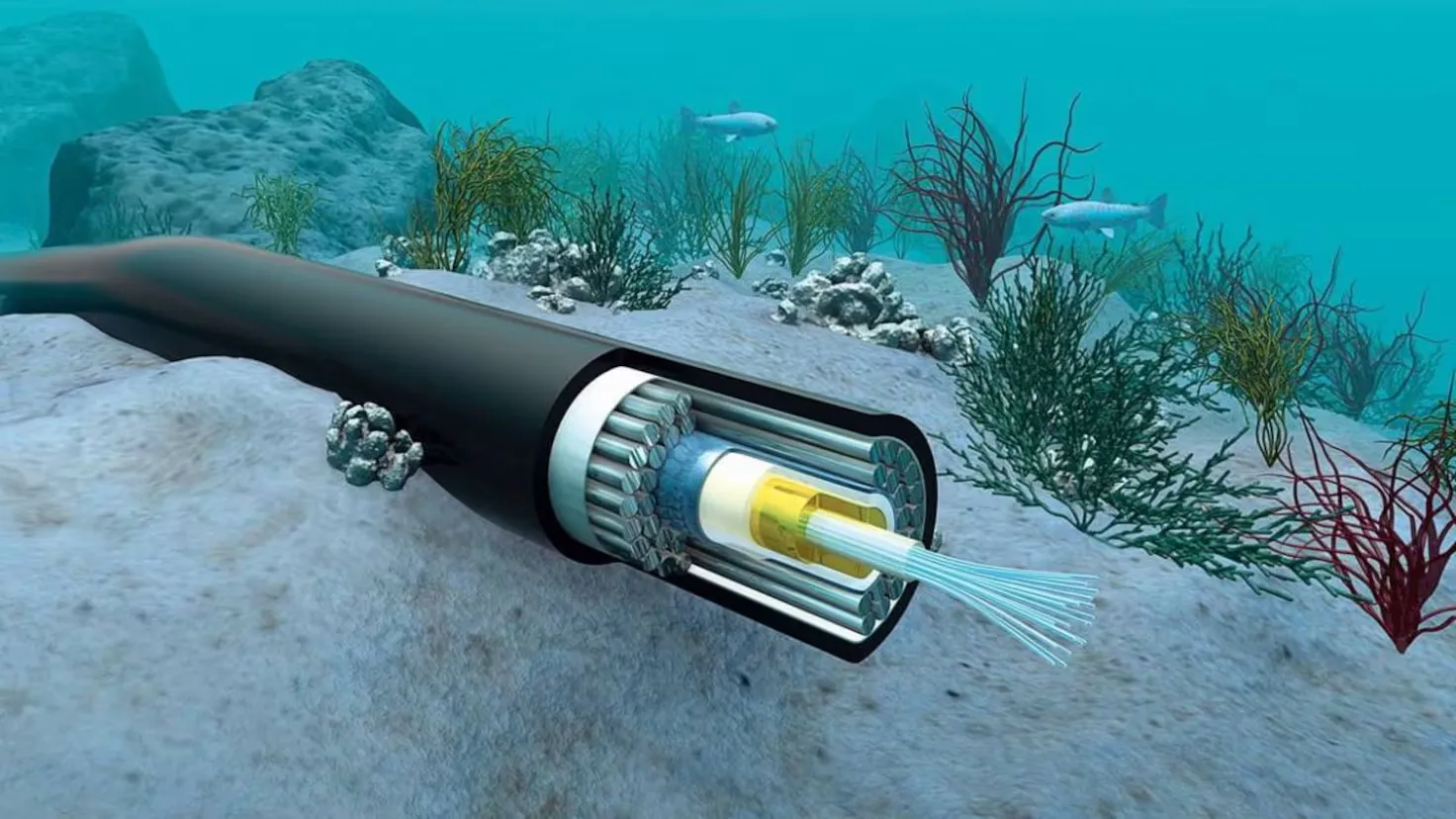
The environmental implications of desalination extend beyond energy consumption. For every gallon of fresh water produced, 1 to 1.5 gallons of brine—saline water with chemical residues—are discharged back into the ocean. Improper management of this brine can harm marine ecosystems, leading to oxygen-depleted zones that threaten vital aquatic life. To address this, the Casablanca desalination plant includes a 1.5-mile discharge pipe designed to dilute brine before it reaches the seabed, although experts caution that national regulations on brine management are still lacking.
In Morocco, agriculture plays a crucial role, consuming 87% of the country's water resources and employing nearly a third of the workforce. However, the prolonged drought has severely affected agricultural production, prompting the need for alternative irrigation solutions. Desalination is positioned as a lifeline for farmers, particularly in regions like Souss-Massa, which accounts for 85% of Morocco’s fruit and vegetable exports. Farmers in this region have begun to rely on desalinated water to sustain their crops, with some reporting significant increases in production thanks to this technology.
As reported by edition.cnn.com.