
Morocco has firmly established renewable energy as a top national priority, setting an ambitious goal to achieve 52% of its energy from renewable sources by the year 2030. This commitment not only aims to enhance the country’s energy independence but also positions Morocco as a significant energy partner for Europe's future. The North African nation is currently undertaking numerous solar and wind energy projects across the Sahara Desert and along its Atlantic coast, highlighting its strategic focus on sustainable energy development.
Traditionally reliant on fossil fuel imports, Morocco has made notable strides in transitioning towards renewable energy in recent years. As of late 2025, the country had an estimated operational capacity of 5.5 GW from renewable sources, accounting for 45.4% of its total installed capacity. This impressive figure includes 2.1 GW of hydropower, 2.4 GW of wind energy, and 961 MW from solar installations. With current installation rates indicating a potential to exceed the 52% target ahead of schedule, Morocco has successfully doubled its clean energy capacity within just a decade.
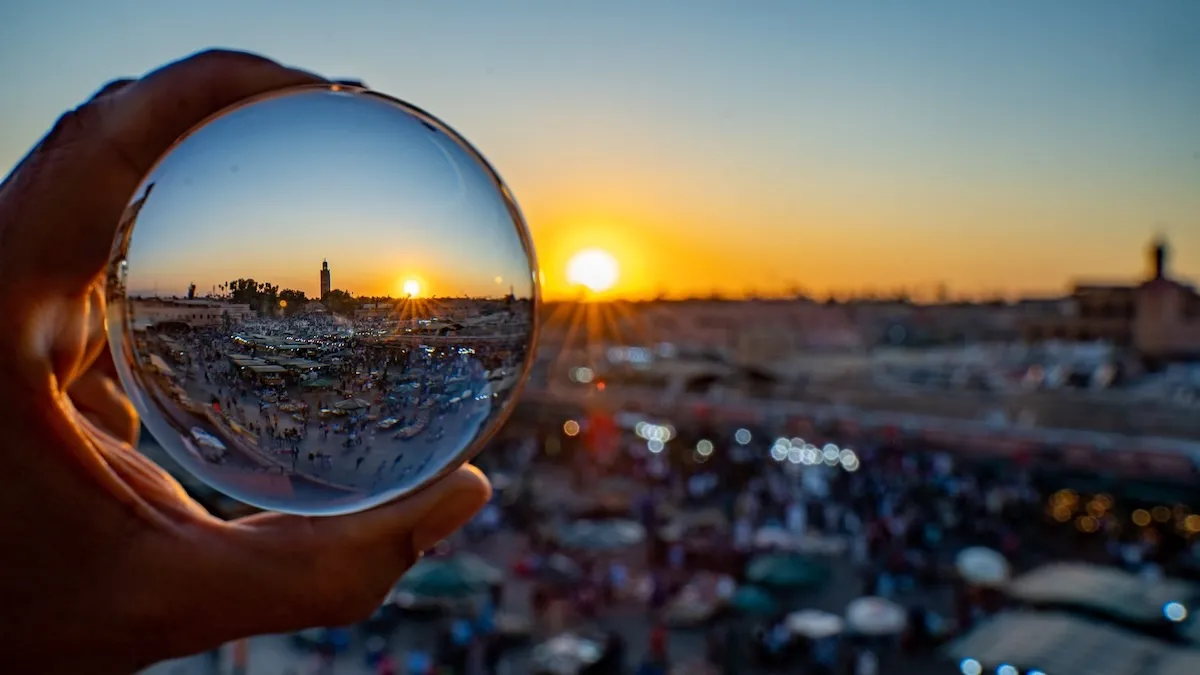
One of Morocco's greatest assets is its high solar exposure, boasting approximately 3,000 hours of sunlight per year. This advantage has led to a remarkable 46% increase in solar technology imports during the first quarter of 2026, reflecting the growing interest in expanding the renewable sector. Saudi renewable energy company ACWA Power is spearheading the Noor Midelt II and Noor Midelt III solar projects, while French firms EDF, Masdar, and Green of Africa have been selected to develop the initial phase of an 800 MW complex that combines photovoltaic and concentrated solar power (CSP) technologies.
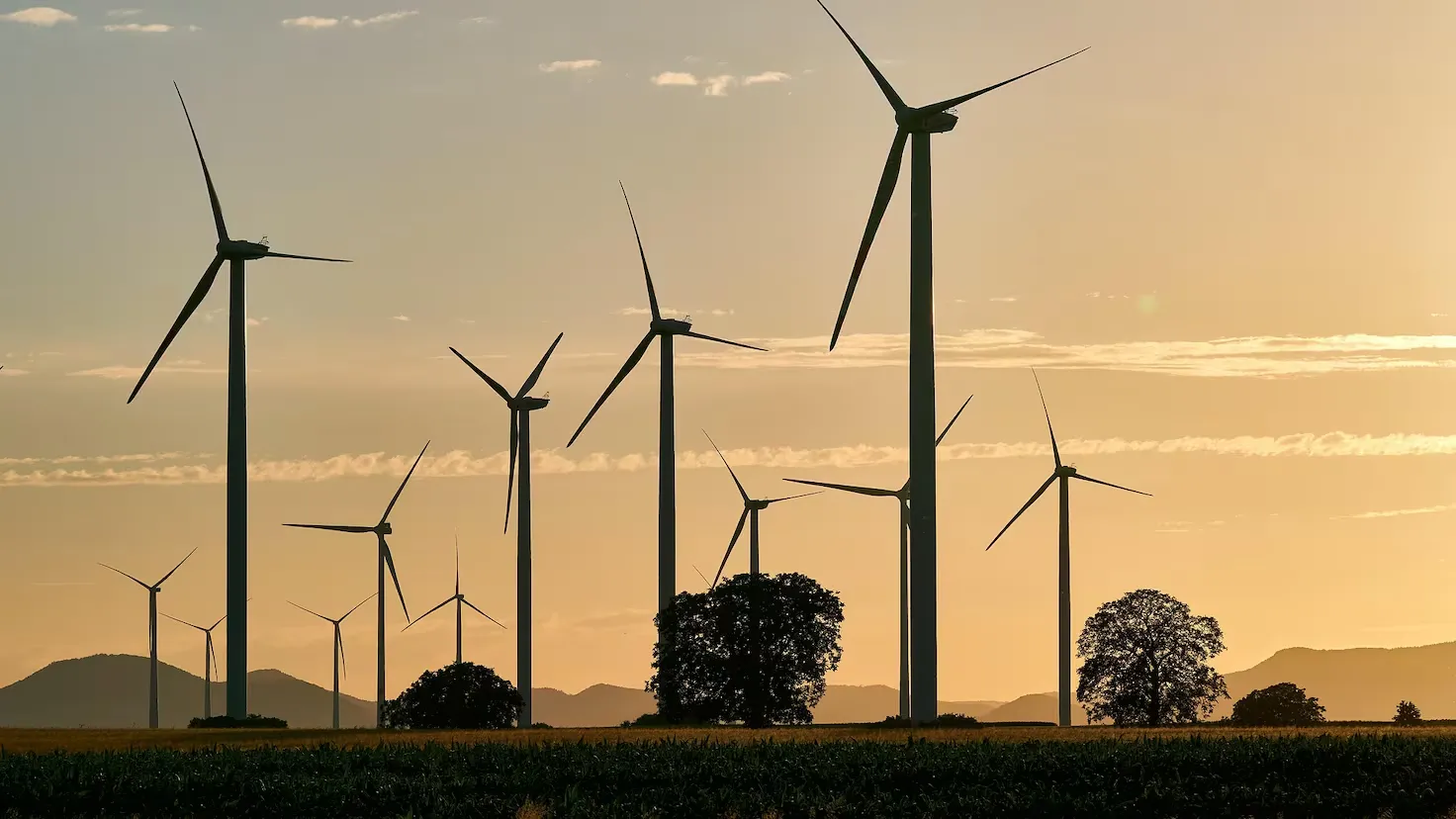
In addition to solar energy, Morocco is a leader in wind energy production within the Arab world, capturing nearly 42% of the region's total renewable energy generation. The Moroccan government has also approved a series of green hydrogen projects valued at $32.5 billion, aimed at producing ammonia, steel, and industrial fuels. This development is crucial for enhancing the country’s port infrastructure, and Morocco is poised to reform its regulations and transportation networks to become the primary exporter of clean energy to Europe via the Strait of Gibraltar.
As reported by as.com.