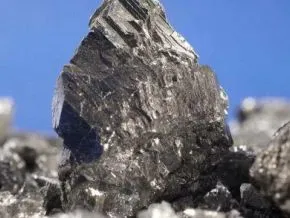

Xtract Resources has recently achieved a significant milestone by securing a mining permit for its Amghas antimony project in Morocco. This development positions Morocco as a potential player in the global antimony market, which is currently dominated by China and a few other countries. Antimony is a critical mineral that plays a vital role across various industries, including electronics, energy storage, fire safety, and defense. The approval of this mining permit is not just a step forward for Xtract Resources but could also mark the beginning of Morocco's journey into the realm of antimony production.
On June 2, Xtract Resources, listed on the London Stock Exchange, announced that it had received the necessary mining permit from the Moroccan government, allowing operations to commence at what could become one of the nation's few known sources of this strategic metal. As global demand for critical minerals increases, there is a pressing need for countries to diversify their supply chains, and Morocco's Amghas project may fill a crucial gap in the market. Currently, antimony is classified as a critical mineral in the United States due to its importance in a variety of industrial and defense applications.
The U.S. Geological Survey highlights that in 2025, China produced approximately 40,000 tons of antimony concentrate, which accounted for a significant portion of the global output of about 110,000 tons. Other notable producers included Russia, Tajikistan, and Bolivia. Historically, while Morocco has engaged in small-scale antimony mining, it has not been recognized as a significant producer on the global stage. However, the emergence of the Amghas project has the potential to change that narrative.
The permit granted to Xtract is valid for a decade and can be renewed, with the company aiming for its first production of antimony concentrate by the fourth quarter of 2026. The operational plan includes the establishment of a processing plant capable of processing 70,000 tons of ore annually, pending approval of an additional processing permit. While Xtract has completed a feasibility study, crucial details regarding the project's resource estimates and investment requirements have yet to be disclosed, leaving several questions about its financial viability and commercial prospects.
Colin Bird, Executive Chairman of Xtract, expressed optimism about the project, stating that the mining permit, alongside ongoing infrastructure development and rehabilitation efforts, positions the venture for swift progression towards antimony concentrate production. However, the future of the Amghas project may hinge on the company's ability to expand its processing capabilities to accommodate not only ore from Amghas but also material sourced from local artisanal miners.
The viability of such an expansion will depend on the actual resource base of the project and its capacity to secure buyers in a market where antimony sourcing options are relatively diversified. Although China remains the leading producer, other countries like Turkey, Vietnam, and Mexico also contribute to the market, providing buyers with various alternatives. Additionally, Morocco faces competition from neighboring South Africa, which is recognized for its considerable antimony resources and could benefit from the growing interest in alternative supply channels.
In summary, while the permit for the Amghas project marks a significant achievement, the realization of Morocco's potential as a new antimony producer will largely depend on the forthcoming disclosures from Xtract regarding the project's scale, economic feasibility, and commercial opportunities.
As reported by ecofinagency.com.