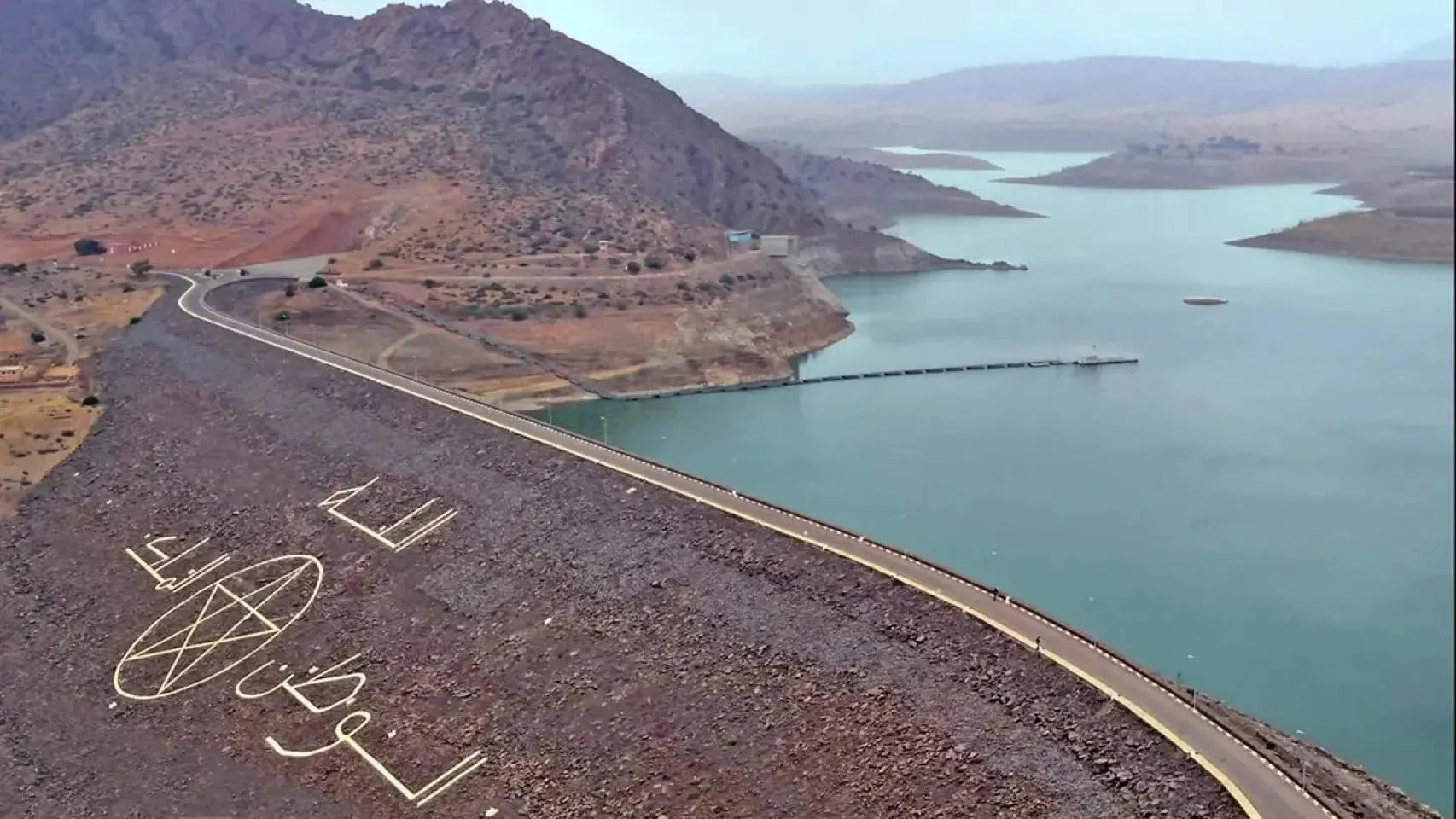

Morocco's Strategic Shift Towards Desalination
In an ambitious response to seven years of severe drought, Morocco is setting a target to source 60% of its drinking water from the sea by the year 2030, a significant increase from the current 25%. This strategic initiative aims to address the ongoing water stress the country has been experiencing and marks a notable shift in its water management policies. To achieve this goal, Morocco plans to ramp up its production of desalinated water to an impressive 1.7 billion cubic meters annually. This will be facilitated through the establishment of new desalination plants and large-scale projects, including the much-anticipated desalination facility in Casablanca.
The Moroccan government is prioritizing urban water supply as part of this new strategy, allowing for the release of water from reservoirs to support interior regions. However, it is important to note that not all agricultural sectors will have access to desalinated water due to its high costs. Instead, the focus will be on supplying coastal cities while ensuring that water resources are redistributed effectively to meet the needs of regions farther inland.
Innovative Solutions and Environmental Considerations
Morocco's innovative approach includes harnessing renewable energy to power the desalination plants, thereby minimizing environmental impacts. The country is looking to the Atlantic and Mediterranean seas as new reservoirs, aiming to transition desalination from a temporary solution to a central component of its water supply strategy. With the goal of producing 1.7 billion cubic meters of desalinated water per year by the end of the decade, Morocco currently operates 17 desalination plants, with four more in construction and additional projects on the horizon.
A key player in this initiative is the Casablanca desalination plant, which is expected to produce 250 million cubic meters of potable water annually, along with an extra 50 million cubic meters designated for regional agriculture. This facility is designed to serve approximately 7.5 million people and utilizes advanced reverse osmosis technology. Furthermore, it is being touted as one of Africa's largest desalination operations, incorporating renewable energy sources into its operations.
However, the agricultural implications of this strategy are crucial. Morocco does not intend to utilize desalinated water for all crops due to the associated costs. Instead, the plan focuses on providing water to coastal cities while releasing reservoir water to support agriculture in inland regions. The city of Agadir serves as a precedent for this approach, where desalination has already been employed for urban supply and to support high-value crops amidst agricultural pressures from ongoing drought conditions.
Given the unpredictable nature of rainfall, Morocco’s strategy is a proactive measure against the backdrop of dwindling reservoir levels and stressed aquifers. While episodes of rainfall may offer temporary relief, the country recognizes that relying solely on rainwater is no longer a viable long-term solution. Consequently, the strategy encompasses a mix of measures, including hydraulic interconnections, wastewater reuse, and projects aimed at reducing evaporation in reservoirs. The underlying philosophy is to diversify water sources rather than depend exclusively on one technology.
Nevertheless, the desalination initiative does come with challenges. The process requires significant energy and produces brine, a highly saline waste product that needs to be managed carefully to avoid detrimental impacts on marine ecosystems, including seagrasses, coral reefs, and other sensitive coastal environments. Thus, the real challenge lies in converting seawater into a reliable freshwater source without creating additional environmental issues. Morocco aims to mitigate these risks by linking new desalination plants to renewable energy sources, a critical decision for a nation with substantial solar and wind potential.
This Moroccan shift is also of interest to Spain, as both countries face similar Mediterranean pressures, intensive agriculture demands, recurring droughts, and a growing reliance on costly water infrastructure, from desalination plants to wastewater recycling and large water conveyance systems. Morocco's message is clear: in the face of a changing climate, the availability of potable water cannot rely solely on rainfall. While the sea cannot completely replace reservoirs, it is beginning to serve as a strategic reserve against drought.
As reported by elespanol.com.