
Morocco's Role in Providing Refuge
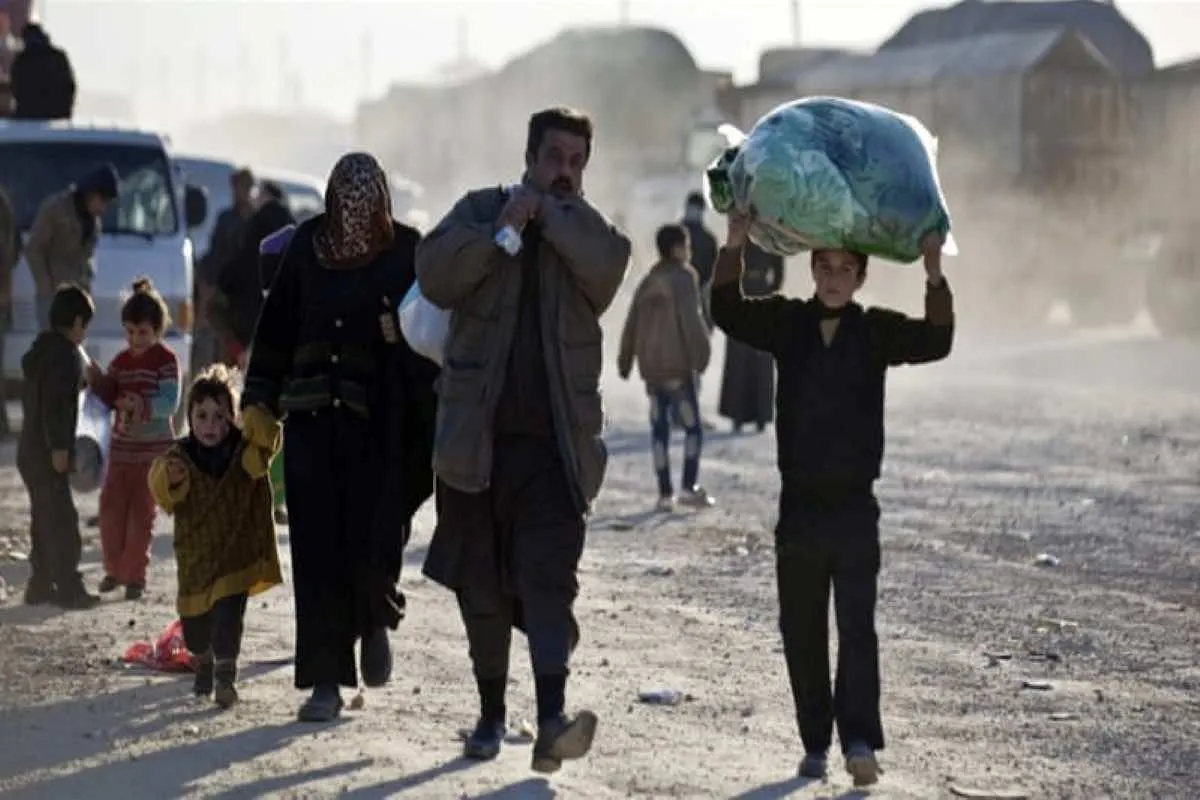
In a significant humanitarian effort, Morocco has welcomed a total of 17,791 refugees and asylum seekers in 2024, as detailed in the latest annual report by the National Human Rights Council (CNDH). This remarkable figure, which stems from data collected by the UN High Commissioner for Refugees, highlights Morocco's commitment to providing sanctuary to individuals fleeing conflict, persecution, and hardship. The refugee and asylum seeker population in the country represents over 60 different nationalities, with the largest groups originating from Syria and Guinea. These individuals are not confined to a single area; rather, they have established communities across approximately 80 different locations throughout Morocco, indicating a widespread distribution that reflects the country's inclusive approach to refugee assimilation.
Challenges and Changes in Migration Dynamics
As global crises escalate, the dynamics of migration have shifted dramatically in 2024. Various factors, including geopolitical tensions and climate-induced pressures, have compelled many individuals to leave their home countries in search of safety and economic stability. The CNDH report reveals that Morocco is now a destination for migrants from a wider array of regions, extending beyond the typical flows from sub-Saharan Africa. This transformation presents new challenges for Moroccan authorities, necessitating enhanced reception systems, housing capabilities, and integration policies that meet the evolving needs of these diverse populations. While the country has actively dismantled 332 human trafficking and smuggling networks in the past year, these criminal organizations have adapted by leveraging social media to recruit vulnerable youth, promoting perilous journeys toward Europe and thereby increasing risks for those involved.
Tragically, the Mediterranean and Atlantic coasts of Morocco remain critical points for migrants attempting to reach Europe by sea, with rescue services saving 18,645 individuals in 2024 alone. Despite these efforts, the journey is fraught with danger, as highlighted by the reported 2,800 deaths or disappearances along these migration routes. Compounding these challenges is the absence of a specific national asylum law, which has persisted for over a decade since the introduction of Morocco's National Strategy on Immigration and Asylum. This legal gap complicates the establishment of a coherent asylum framework that meets international standards, leaving many recognized refugees without official residence permits and thus vulnerable to precarious legal and social conditions. While progress has been made in facilitating discussions between government authorities and the UN refugee agency, the lack of a clear legislative framework continues to hinder the development of a robust and effective asylum policy in Morocco.
As reported by moroccoworldnews.com.