
According to Bank Al-Maghrib, following its first quarterly meeting of 2026, the Moroccan economy is expected to show a significant improvement, with a projected growth rate of 4.8% for 2025, advancing to 5.6% in 2026, before slowing down to 3.5% in 2027. This optimistic forecast is attributed primarily to favorable climatic conditions anticipated for this year, which are expected to substantially boost agricultural production.
Grain Harvest Projections
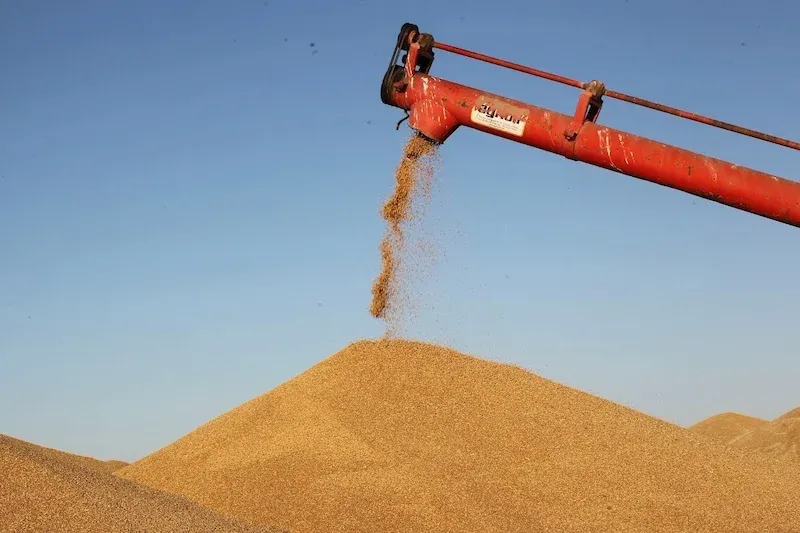
Based on estimates from Bank Al-Maghrib, which are grounded in the cultivation of approximately 3.9 million hectares, the total yield of the three main grain crops is expected to reach an impressive 82 million quintals. In light of these favorable conditions, the bank forecasts a rise in agricultural value added by 14.4% in 2026, following a 5% increase in 2025, although a decline of 5.3% is expected in 2027 due to a return to average grain yields.
In contrast, owing particularly to the dynamic nature of investment in economic and social infrastructure, non-agricultural sectors are expected to maintain strong growth, projected at around 4.5%.
Inflation Dynamics
Regarding inflation, it has remained at low levels, attributed to improvements in the supply of various food items and a decrease in fuel prices, as confirmed by the bank's council. In the medium term, following the dissipation of these effects and an expected rise in oil prices under the central scenario, inflation is anticipated to gradually accelerate, remaining moderate. Specifically, inflation is expected to be stable at 0.8% in 2026 and to rise to 1.4% in 2027.
Forecasts for inflation have decreased; financial sector experts surveyed before the onset of the conflict in Iran indicated that inflation could average 1.5% over the next eight quarters and 1.8% over the next twelve quarters.
The Moroccan central bank explained its decision to maintain the current interest rate, taking into account the ongoing dynamic of economic activity, the expected moderate inflation levels, and the high degree of uncertainty surrounding international outlooks, as well as the results of stress tests conducted by Bank Al-Maghrib on the national economy. The council deemed it appropriate to keep the main interest rate unchanged at 2.25%.
Moreover, the bank emphasized its commitment to closely monitoring both national and international conditions, particularly developments in the Middle East and their repercussions on economic activity, ensuring that decisions made in each meeting are based on the latest available data.
As reported by hespress.com.