Economic Implications of Regional Conflicts on Morocco
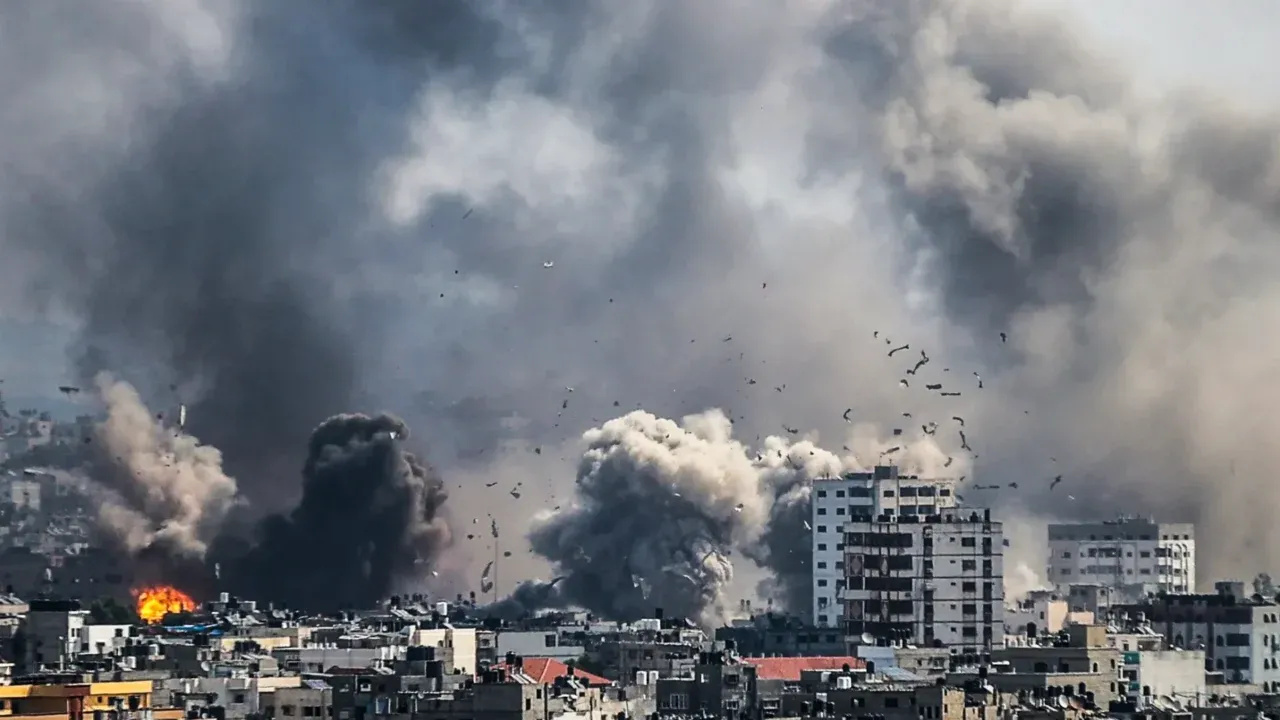
The economic circles in Morocco are closely monitoring the ramifications of the escalating military tensions in the Middle East, with particular concern for potential impacts on global energy markets and trade. Despite the geographical distance of Morocco from the epicenter of conflict, the country is not insulated from the consequences that may arise. One of the most pressing risks is the anticipated increase in oil prices, coupled with disruptions in international supply chains. Notably, a significant portion of global energy trade traverses the Strait of Hormuz, which could lead to heightened costs in transportation, insurance, and international trade.
Morocco heavily relies on imported refined petroleum products, with the import bill projected to reach approximately $11.5 billion in 2025. This dependence renders the national economy particularly vulnerable to any prolonged oil shocks. Economic expert Omar Al-Katani emphasizes that the extent of the impact will largely hinge on the duration of the conflict. Short-term shocks may manifest as increases in fuel prices and transportation costs, alongside some industrial input expenses. In contrast, longer-lasting crises could exert greater pressure on inflation, public finance, and the current account.
Positive Indicators Amidst Challenges
Despite these challenges, experts point to several positive indicators within the Moroccan economy that may provide a buffer against initial shocks. As the country entered 2026, it boasted a relatively low inflation rate of around 0.8% and an interest rate of approximately 2.25%. Moreover, Morocco's foreign currency reserves stood at about $49.5 billion as of February 25, according to Bank Al-Maghrib data, a level sufficient to cover essential goods and services imports for nearly five months.
The repercussions of the conflict may also extend to foreign trade, with Moroccan exports potentially facing a decline in demand from trading partners, particularly in Europe, should energy price shocks trigger a global economic slowdown. Additionally, shipping disruptions and increased transportation and insurance costs could complicate international supply chains, affecting various export sectors. The automotive industry, for instance, may be more significantly impacted due to its ties to European demand and international supply chains. Conversely, the phosphate and fertilizer sectors might benefit from rising global prices in certain scenarios, while the food industry could face pressures related to increased transportation and energy costs.
Amid these challenges, foreign direct investment flows into Morocco reached around $3 billion in 2025, representing a 74% increase compared to the previous year, according to government data. On the public policy front, economic analyst Nabil Tawazani notes that the government possesses various tools to address any potential shocks, including targeted support for the most affected sectors, bolstering strategic energy reserves, and diversifying supply sources.
Furthermore, there is a consensus on the importance of accelerating investments in renewable energy and improving energy efficiency as strategic options to mitigate dependence on oil price fluctuations. Finance Minister Nadia Fettah Alaoui has affirmed Morocco's preparedness to confront the potential economic fallout from the war, highlighting that the government has preventive mechanisms in place to support affected demographics.
The minister noted that the Moroccan economy exhibits a degree of resilience, buoyed by stable macroeconomic indicators and significant foreign currency reserves, alongside an increasing share of renewable energy in the national energy mix. Nonetheless, the rise in oil prices remains a persistent challenge, especially as the government has budgeted for a reference price of $65 per barrel for the 2026 fiscal year, while current prices exceed $85 in global markets.
As reported by ar.industries.ma.