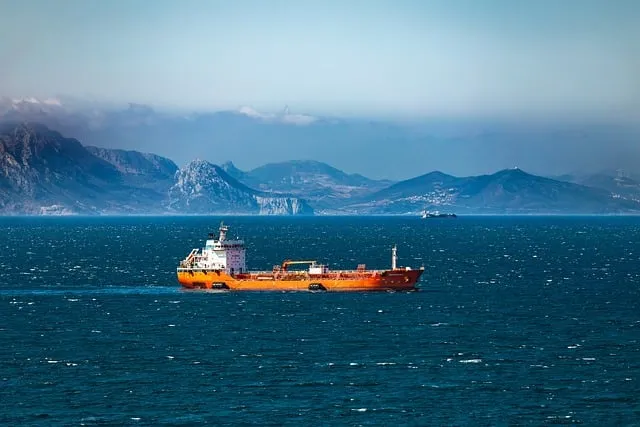

Economic Strain as Global Tensions Rise
As the ongoing conflict in the Middle East disrupts energy supplies and trade routes, Morocco finds itself navigating a complex economic landscape. While the nation is somewhat insulated due to its status as an energy importer, the ripple effects of rising global tensions are beginning to manifest in its economic indicators. According to the International Monetary Fund (IMF), Morocco's borrowing costs have escalated, with sovereign bond yields climbing from approximately 5.5% prior to the war to nearly 6% in early April 2026. This shift highlights a growing reassessment of risk within emerging markets as investors react to the uncertainties stemming from the conflict.
The war, which erupted on February 28, has had far-reaching impacts beyond the immediate region. The near-total disruption of traffic through the Strait of Hormuz and damage inflicted on oil and gas infrastructures in several Gulf nations have severely tightened global energy markets, causing Brent crude oil prices to surge above $100 per barrel. This upsurge in oil prices has a cascading effect on other commodities, including natural gas, fertilizers, and metals, contributing to increased production costs and inflation across the globe.
Morocco's Relative Resilience and Emerging Challenges
Despite the turmoil impacting oil-exporting nations directly involved in the conflict, Morocco's economic growth is projected to decline by a mere 0.3% points, a relatively modest adjustment considering the circumstances. This resilience can be attributed to the country's pre-war economic momentum and its less direct exposure to the conflict's immediate impacts. However, the IMF warns that rising energy prices act as a tax on the economy, with every 10% increase in crude prices potentially reducing growth by around 0.5% while simultaneously pushing inflation up by a full percentage point.
The implications for Morocco are significant. As import costs rise, household purchasing power is under pressure, and businesses are feeling the strain of tighter profit margins amid global economic uncertainty. Furthermore, the collapse of air traffic across Gulf regions, with some areas experiencing declines of up to two-thirds, threatens to weaken Morocco's vital tourism and trade links with Europe and beyond. A prolonged conflict could exacerbate these challenges, particularly for import-dependent economies like Morocco, through sustained price pressures and tighter financing conditions.
In light of these developments, the IMF advocates for a cautious approach. Rather than implementing broad subsidies that may not effectively target those in need, it suggests focused support for vulnerable households while maintaining a disciplined fiscal stance. Central banks may also need to consider tightening their monetary policies to prevent inflation from becoming entrenched. Thus, while Morocco is not facing an immediate crisis, it must remain vigilant and adaptable in the face of ongoing global economic pressures.
As reported by moroccoworldnews.com.