
Morocco's handling of stray dogs has sparked international discourse, particularly as the nation prepares to co-host the 2030 FIFA World Cup alongside Spain and Portugal. These discussions often morph into a contentious narrative that paints a negative picture of Morocco, especially in light of accusations surrounding the country’s methods for managing stray animal populations. Social media campaigns and various international media outlets have focused their attention on the issue, alleging that Moroccan authorities engage in the culling of dogs and cats without presenting credible evidence to support such claims. While Morocco acknowledges the challenges it faces, some media continue to assert that the country is not making adequate efforts to rectify the situation. This negative portrayal has even led to lobbying efforts aimed at revoking Morocco's rights to co-host the prestigious World Cup.
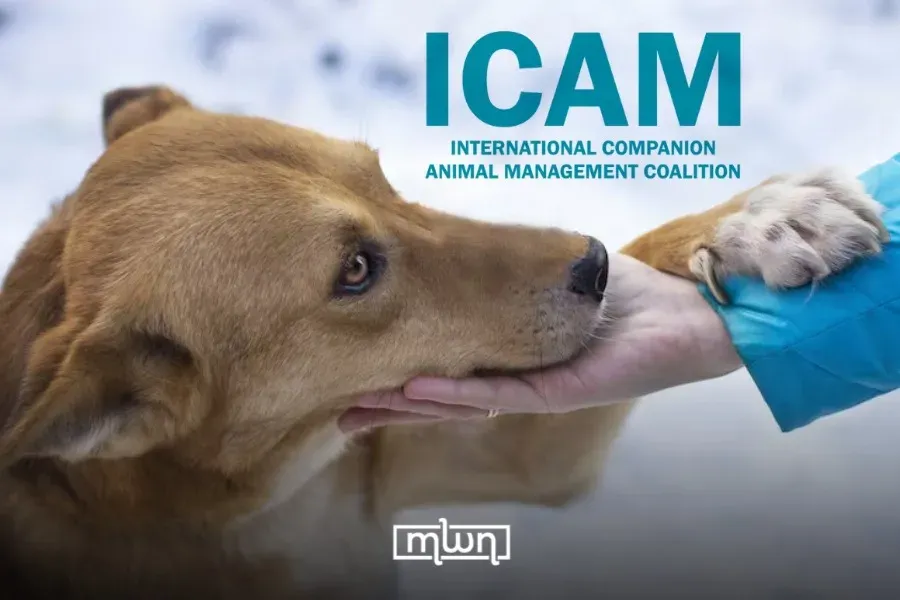
In a recent interview with Morocco World News (MWN), Catherine Thomson, the head of communication and engagement for the International Companion Animal Management Coalition (ICAM), defended Morocco’s official policies regarding stray animal management. According to Thomson, these policies align with internationally recognized humane standards, although she admitted that challenges persist, particularly concerning the consistent implementation of these measures throughout the country. ICAM participated in the United Cities and Local Governments (UCLG) World Congress held in Tangier, where it shared best practices for local governments tackling free-roaming animal populations while ensuring public health and animal welfare. During the event, representatives from various cities, including Bogotá, Ramallah, Toronto, Bangkok, and Colombo, collaborated to discuss sustainable and humane solutions for managing stray populations.
Thomson emphasized that humane dog population management is a well-established international standard, noting that the true measure of success lies in the consistent and transparent application of these standards by any country. In her assessment of Morocco's approach, she differentiated between the official policies and actual implementation on the ground. Although Morocco adopted a Catch, Neuter, Vaccinate and Return (CNVR) strategy in 2019, which aligns with global best practices, reports from journalists and animal welfare organizations indicate that the execution of these policies has not always been as effective as intended. Catherine underscored the importance of community engagement and education in addressing the issue comprehensively.
Rather than advocating for new measures, Thomson believes that Morocco has already established the foundational elements necessary for an effective stray animal management system. She explained that for CNVR programs to be successful, they should be underpinned by community involvement, clear legislation, and accessible veterinary services. The challenge, she argued, is less about finding effective strategies and more about ensuring their consistent and sustainable implementation while allowing the progress to be visible. The example of Tangier's "Project Hayat" was highlighted as a clear success story, showcasing that humane dog population management can thrive in Morocco if there is the political will to see it through.
Thomson also articulated that the goals of public health and animal welfare are not mutually exclusive; in fact, they are interdependent. She stated that prioritizing community safety enhances animal welfare and vice versa. Sustained CNVR programs not only stabilize dog populations and increase rabies vaccination rates but also reduce breeding and conflicts between humans and stray animals over time. She characterized Dog Population Management (DPM) as the humane, sustainable, and effective alternative to discredited culling methods, asserting that long-term municipal commitment is vital for achieving enduring results.
Municipalities play a pivotal role in the successful management of stray animals, whether they are directly operating programs or collaborating with veterinarians and animal welfare organizations. Thomson noted that no single model fits all situations; the approach must be tailored to local capacities. What remains constant, however, is the municipality's central role, regardless of whether it leads the initiatives or coordinates with other stakeholders. Successful programs necessitate sustained political commitment, as the long-term dedication from municipalities is a crucial determinant of success.
Reflecting on Morocco's ongoing efforts, the country has made strides to adopt a more structured approach toward addressing the issue of stray animals. Recently, the House of Representatives approved a draft law aimed at managing stray animals in urban and peri-urban areas, responding to growing concerns about public safety, health risks, and animal welfare. This proposed legislation seeks to establish organized systems for managing stray populations, including shelters, vaccination, sterilization programs, and the creation of a national database to monitor animal populations and interventions. It is designed to delineate the responsibilities of local authorities and relevant institutions, intending to replace inconsistent practices with a coordinated framework.
Despite the acknowledged efforts, Morocco continues to face campaigns from various quarters, particularly from tabloids that often neglect to provide evidence for their allegations. In February of the previous year, Mohamed Roudani, head of the Department of Health Preservation and Green Spaces at the General Directorate of Territorial Communities, refuted claims that the country plans to exterminate millions of stray dogs in preparation for the World Cup, stating, "There is no campaign to eradicate stray dogs," and asserting that such claims are baseless. He affirmed that local authorities are committed to humane and sustainable solutions for dealing with strays, aligning with international animal welfare standards and implementing various measures to ethically control the stray dog population.
The Ministry of Interior has continually urged local authorities to avoid violent actions against stray animals. In 2023, the ministry reiterated its call for humane treatment through a circular emphasizing the adoption of proven methods like the TNVR approach. A partnership agreement signed in 2019 between various ministries, including those of interior and health, was aimed at activating the TNVR mechanism. While challenges remain regarding stray animals, there are ongoing efforts from local communities and authorities to ensure humane treatment in line with international standards. Several courts have also taken action against individuals involved in violent behavior towards strays.
In conclusion, while Morocco often finds itself in a harsh spotlight regarding stray animal welfare, such portrayals frequently overlook the complexities of the reality. The nation has made significant strides toward adopting more humane and comprehensive strategies that prioritize sterilization, vaccination, and public education over punitive measures. Although challenges persist, these efforts reflect a tangible shift in policy and public perception, illustrating a growing commitment to harmonizing public health and ethical responsibility in the management of stray animal populations.
As reported by moroccoworldnews.com.