The Evolving Landscape of African Air Power
The military aviation landscape in Africa is witnessing a significant transformation, particularly with Algeria's recent acquisition of the fifth-generation stealth fighter, the Su-57E Felon. This development marks a historic moment as it is the first time an African nation has operationalized such advanced military technology. Observers noted the Su-57E flying over Algerian airspace in late February, signaling Algeria's commitment to enhancing its aerial capabilities. Given Algeria's status as the largest country in Africa and its longstanding alliance with Russia, this acquisition represents a strategic shift in the regional balance of power.
Morocco's Strategic Response
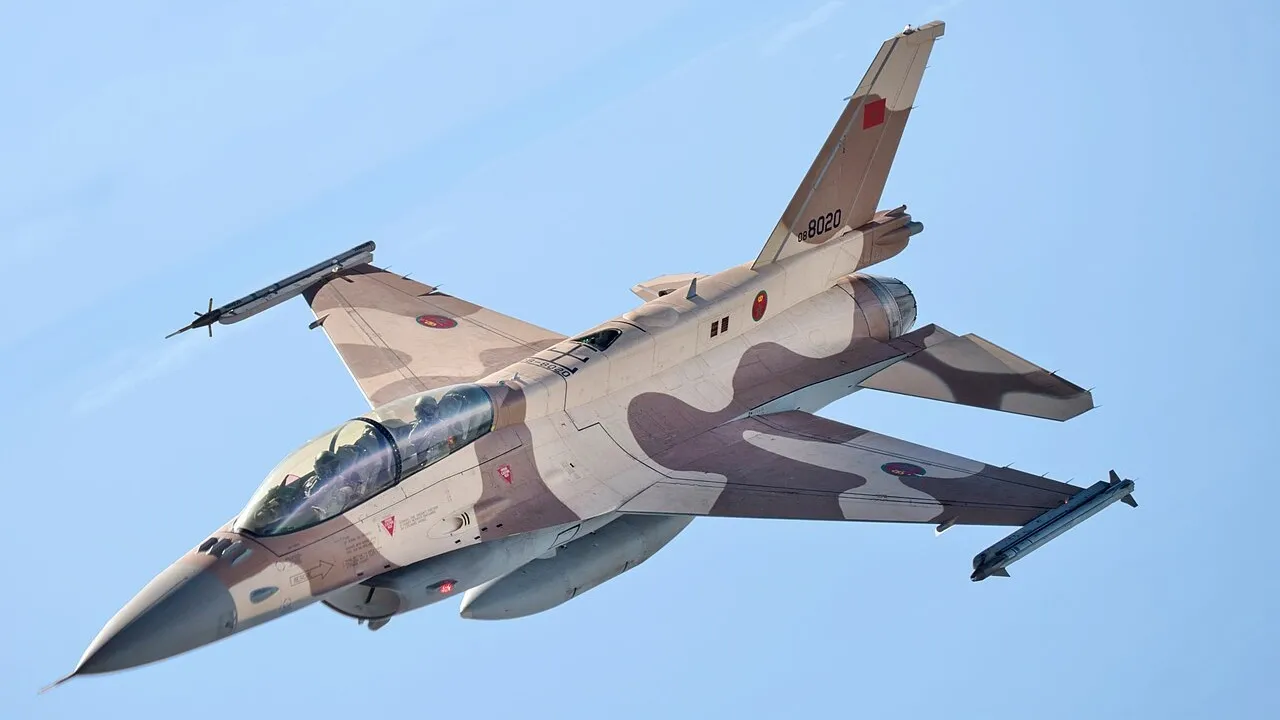
In contrast, Morocco remains reliant on its upgraded F-16V Block 70/72 Viper, a fourth-generation fighter that, while formidable, lacks the advanced stealth features of its Algerian counterpart. Morocco has expressed interest in acquiring the F-35, but negotiations have yet to yield a finalized agreement. The specter of conflict between the two nations is a distinct possibility, albeit not an immediate concern. In such a scenario, the F-16Vs would face off against the Su-57s for the first time, a dynamic that could have far-reaching implications for international arms sales, particularly for Russia.
Despite the technological advantages held by the Su-57E, which boasts superior stealth capabilities, advanced radar systems, and cutting-edge missile technology, the Moroccan F-16V is not to be underestimated. Equipped with modern avionics, including AN/APG-83 SABR AESA radar and an advanced electronic warfare suite, the F-16V demonstrates considerable combat effectiveness. However, the aircraft's design, which dates back to the 1970s, shows its age, especially in terms of stealth.
In the realm of beyond-visual-range (BVR) combat, the Su-57E is poised to dominate due to its stealth profile and advanced missile systems, such as the R-77M and R-37M missiles, designed for extreme-range engagements. The F-16, while agile and networked, lacks the stealth advantage, putting Moroccan pilots in a challenging position where they may need to evade missile threats before even detecting the attacking aircraft.
Nevertheless, Morocco's strength lies not solely in the F-16 itself but in the comprehensive support system surrounding it. The Royal Moroccan Air Force's G550 airborne early warning aircraft provides crucial situational awareness and targeting data via the Link-16 datalink, enabling the F-16 to operate effectively within a networked warfare framework. This technological edge in communication and information sharing could prove vital in countering the Su-57's advantages.
In a potential visual engagement, the physics of aerial combat would favor the Su-57E due to its thrust vectoring capabilities and superior maneuverability. However, the F-16's proven agility and decades of combat experience could allow a skilled Moroccan pilot to hold their own against a less experienced Algerian counterpart. Ultimately, pilot skill remains a critical variable that could influence the outcome of any direct engagement.
Algeria's investment in the Su-57E reflects its ambition to bolster its offensive capabilities and assert regional deterrence. Conversely, Morocco must work diligently to prevent Algeria from leveraging its new air superiority into dominance over the region. This task underscores the importance of advancing networked warfare strategies to close the technological gap, as modern warfare increasingly hinges on sensors, electronic warfare, and command and control capabilities rather than merely on aircraft performance alone. While the Su-57E is a formidable fighter, the actual advantage it confers may not be as pronounced as theoretical assessments suggest.
As reported by nationalinterest.org.