Severe Weather Conditions Threaten Agricultural Stability
Morocco's agricultural sector is grappling with an alarming transformation as a joint report from the Food and Agriculture Organization (FAO) and the World Meteorological Organization (WMO) outlines the severe impacts of extreme heat and persistent drought. Over the past few years, particularly from 2022 to 2024, the nation has experienced some of the most challenging climatic conditions in its recent history. A prolonged six-year drought has severely restricted water availability, while a series of intense heatwaves have raised temperatures to perilous heights, creating an unstable environment for farming.
These extreme temperature fluctuations are not fleeting; they have become a norm in the region. For instance, a particularly oppressive heatwave in March 2023 lasted an astonishing 11 days, while another in July 2024 extended for 10 days. During these critical periods, temperatures frequently soared beyond 40°C, subjecting crops, livestock, and forests to significant stress and jeopardizing the livelihoods of farmers across the country.
Impact on Crop Production and Livestock
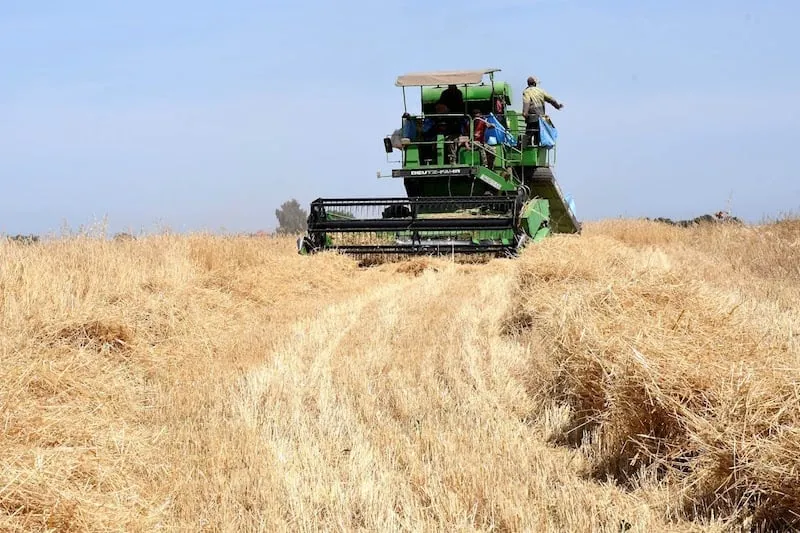
Agriculture constitutes approximately 10% of Morocco's economy, heavily reliant on seasonal rainfall, which has now emerged as a critical vulnerability. With the combination of minimal rainfall and relentless heat, the production of key cereal crops has plummeted. In fact, yields for the 2023-2024 agricultural season have seen a staggering decline of around 43%, marking one of the lowest outputs ever recorded, while wheat production has reached a 15-year low. Other essential crops have not fared any better; olive trees produced significantly less oil, and high nighttime temperatures caused premature fruit drop. Citrus farms have also reported reductions in both production and export capacity.
Livestock farmers are experiencing their own set of challenges as heat stress and a shortage of grazing resources have dire consequences for animal health, leading to diminished milk and meat production. In response to these overwhelming pressures, many farmers have made the difficult decision to reduce their farming activities or abandon their fields entirely, particularly in regions solely dependent on rainfall. This trend exacerbates the difficulties faced by rural communities, which are already struggling to maintain their livelihoods.
The ramifications of this crisis extend beyond agriculture. The threat of wildfires, intensified by extreme heat and dryness, has devastated large forested areas. In 2022 alone, over 22,000 hectares of forest were lost, predominantly in the Rif mountains. Water scarcity has emerged as the most pressing concern, with reservoirs and groundwater levels plummeting to unprecedented lows by the summer of 2024. This alarming drop has resulted in shortages of drinking water and stringent limitations on irrigation practices, compounding the challenges for farmers striving to cultivate their crops.
Kaveh Zahedi, a climate and environment expert at the FAO, highlighted the profound implications of extreme heat on the agricultural landscape, stating that it is fundamentally redefining what farmers, fishers, and forest workers can cultivate and when they can do so. In some instances, these conditions even threaten their ability to continue working altogether. Zahedi emphasized how intertwined climate, water, and food systems are, and how swiftly they can deteriorate in the wake of extreme weather events.
As reported by en.hespress.com.