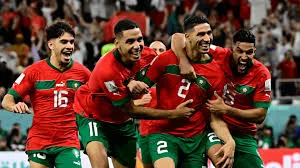

Morocco's Rise in International Football
Four years ago, the Moroccan national football team shocked the world as they made an unexpected journey to the semi-finals of the World Cup, defeating powerhouse teams like Belgium, Spain, and Portugal along the way. The exuberance among fans in Morocco was palpable, as they celebrated their team's unprecedented success on the global stage. However, as the Atlas Lions gear up for another World Cup appearance in 2026, the mood has shifted from disbelief to high expectations. The team’s recent accomplishments, including a controversial triumph in the African Cup of Nations, have significantly raised the hopes of their supporters back home. Fans in Casablanca and beyond are no longer reminiscing about their Qatar 2022 exploits; instead, they are eagerly looking forward to what lies ahead in Canada, Mexico, and the United States this summer.
Amine El Amri, a prominent sports journalist with Moroccan television channel 2M, emphasizes that the team is now expected to perform well, shedding their previous underdog status. He notes that the atmosphere has changed since the African Cup of Nations, stating, “There will be no fairytale this time around. I think dealing with supporters’ expectations will be the biggest challenge for Morocco at this World Cup.” The pressure is on the players to deliver results that meet the heightened aspirations of their enthusiastic fanbase, which is a significant psychological hurdle for them to navigate.
The Emergence of a Golden Generation
Morocco's current squad, ranked eighth in the FIFA World Rankings, is bursting with talent from top leagues across Europe, including the Premier League, La Liga, Serie A, and the Bundesliga. Star players like Achraf Hakimi, who recently guided Paris Saint-Germain to consecutive Champions League victories, captain the team. Yet, he is not alone in his prowess; Morocco boasts a roster filled with remarkable athletes ready to showcase their skills on the world stage. Goalkeeper Yassine Bounou, defenders Noussair Mazraoui, and attacking talents like Ismael Saibari and Brahim Diaz contribute to a formidable lineup that presents a genuine challenge for any opponent.
The rapid rise of Moroccan football can be attributed to a strategic overhaul in the country's youth development and scouting systems. Chris Van Puyvelde, a former technical director for the Royal Moroccan Football Federation, played a pivotal role in reshaping the youth setup, emphasizing the importance of family and cultural connections in the players' development. By fostering a nurturing environment and implementing new training principles, Morocco has cultivated a generation of footballers who not only excel in individual skills but also understand the collective dynamics of the game.
As the team prepares for the upcoming World Cup, they are not just relying on their established stars. Emerging talents like Ayyoub Bouaddi, an 18-year-old midfielder attracting interest from major clubs like Arsenal, signify the depth of quality within Moroccan football. The country's dual strategy of nurturing local talent while also scouting players from the Moroccan diaspora in Europe has resulted in a rich pool of skilled athletes ready to don the national colors.
With Mohamed Ouahbi now at the helm as head coach, following the successful tenure of Walid Regragui, there is optimism about Morocco’s prospects in the tournament. Ouahbi, known for his meticulous approach and focus on team dynamics, is expected to implement a tactical framework that builds on the foundations laid by his predecessor while incorporating fresh ideas. As the Atlas Lions embark on their World Cup journey, the eyes of a nation will be upon them, eager to see if they can roar once more on the international stage.
As reported by heraldscotland.com.