The Atlas Lions: A New Era of Football Pride
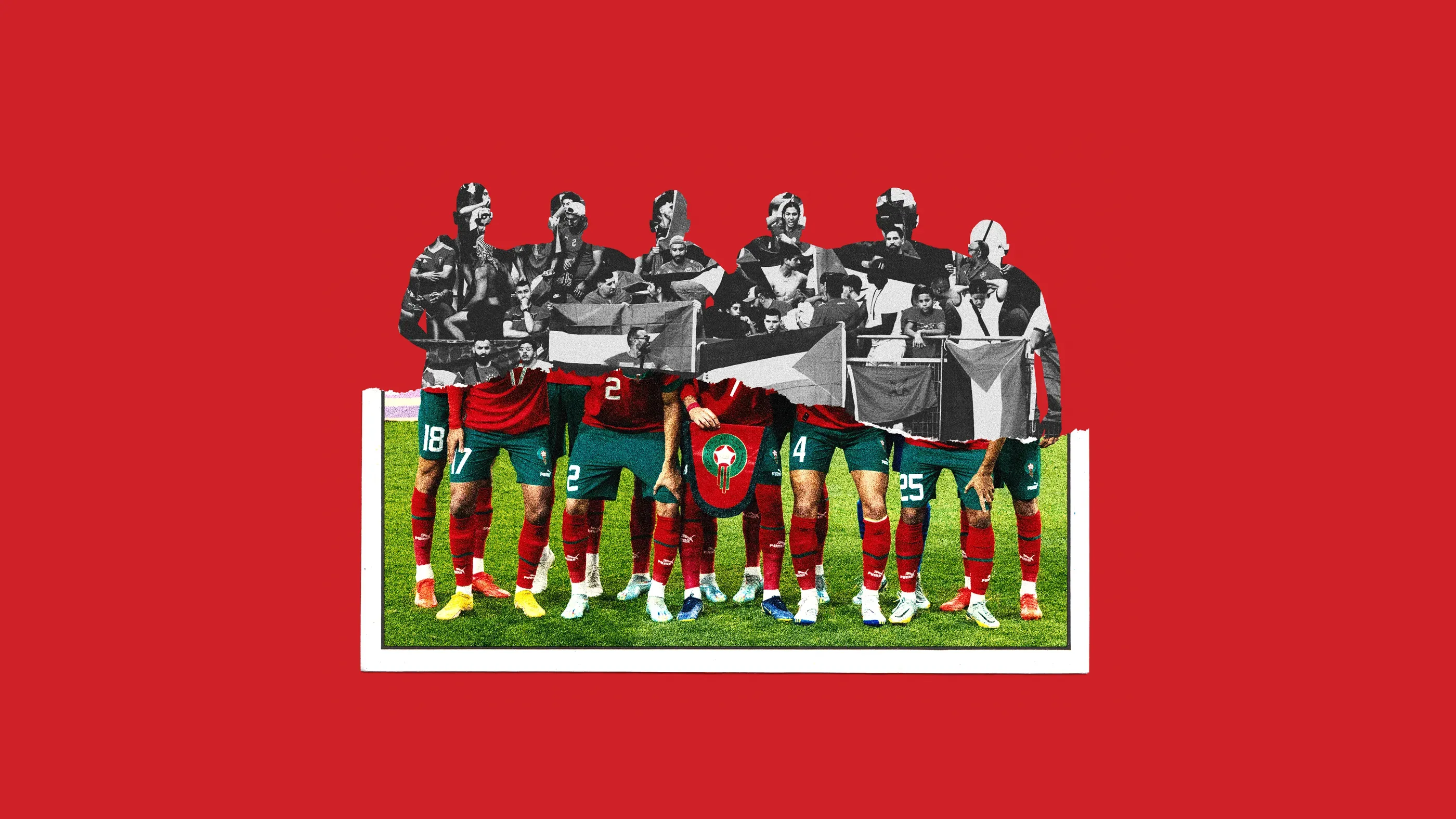
Four years ago, Morocco's national football team, affectionately known as the Atlas Lions, made history by reaching the semifinals of the World Cup for the very first time. This monumental achievement was celebrated not only within the borders of Morocco but also resonated deeply across the Arab and African worlds. Cafés in Riyadh, Saudi Arabia, buzzed with excitement as fans gathered to cheer for their team, while stadiums in Gaza City and Ramallah showcased the Atlas Lions' matches on massive screens, making every goal a moment of shared joy. In Beirut, cars adorned with Moroccan colors celebrated the victories, and similar scenes unfolded in Algiers, Baghdad, and Muscat. The pride was contagious, with Nigeria's President acknowledging Morocco's accomplishment as a source of pride for the entire continent. The fact that a majority of Morocco's squad is Muslim further galvanized fans, leading to mass prayer gatherings in Muslim-majority nations as far as Indonesia. Al Jazeera aptly noted that the team empowered those from the Global South to believe in their potential. Walid Regragui, Morocco's coach at the time, likened the overwhelming support to the enthusiasm surrounding the fictional character Rocky Balboa, stating, 'I think now the world is with Morocco.'
Redefining Identity and Unity Through Football
Historically, Morocco's journey to this pinnacle was significant; it was only the third team from outside Europe or South America to reach the World Cup final. The previous instances were South Korea in 2002 and the United States in 1930. As commentators hailed Morocco as the first African and Arab nation to reach this milestone, a broader discourse emerged that highlighted the complexities of Moroccan identity. According to Abderrahim Bourkia, a sociology professor at Hassan I University, the international dialogue often oversimplified the rich social reality of Morocco. The team strived to reflect diverse identities, as Coach Regragui emphasized the aspiration to elevate Africa's flag alongside nations like Senegal and Ghana. Celebrating victories with Palestinian flags and the Amazigh flag showcased the team's solidarity with various cultural narratives within Morocco. The sentiment that 'Morocco defies easy categorization' was echoed by Safwan Masri, highlighting the layers of identity that were proudly displayed throughout their journey.
Before the remarkable success in 2022, Morocco had only advanced past the group stage once, in 1986, where they faced an early exit. However, this time around, the national team entered the tournament ranked seventh in FIFA standings, the highest in its history, showcasing the evolution of Moroccan football. With players from elite clubs like Paris Saint-Germain, Real Madrid, and Manchester United, the talent pool has never been more impressive. Saad Moufakkir, a prominent Moroccan soccer journalist, noted a significant shift in perspective: 'We are no longer the underdog... 2022 was not a miracle; it marked the beginning of a new football power.'
Morocco's deep-rooted passion for soccer is intertwined with its colonial past, having developed during the first half of the twentieth century under French and Spanish rule. Following independence in 1956, soccer became an emblem of national pride, with stadiums often adorned with royal imagery. The current King, Mohammed VI, has notably invested in the future of Moroccan football by establishing modern soccer academies, including the prestigious Mohammed VI Football Academy, where young talent is nurtured from an early age.
Moreover, the sport serves as a platform for social expression, with fans passionately voicing their opinions during matches. Despite the political constraints outside the stadium, ultras groups like the Green Boys of Raja Casablanca and supporters of Royal Army engage in spirited chants reflecting their societal concerns. The blending of local traditions with international talent has enriched the national team, with many players hailing from abroad yet proud of their Moroccan roots. Coach Mohamed Ouahbi, who took over shortly before the tournament, represents a fresh strategic approach, blending various playing styles to adapt to different opponents.
As I immersed myself in the vibrant atmosphere of a Moroccan restaurant in Astoria, New York, during one of the team's preparatory matches, the sense of community was palpable. Fans gathered to relive the exuberance of the 2022 World Cup, where Astoria became a focal point for celebrations. The camaraderie among fans, including influential figures like Saber Chawni, who shared his emotional experiences from the World Cup, encapsulated the essence of Moroccan identity—one that is Amazigh, Arabic, and African, as he poignantly stated. With a promising future ahead, Morocco's football journey continues to inspire and unite people across the globe.
As reported by newyorker.com.