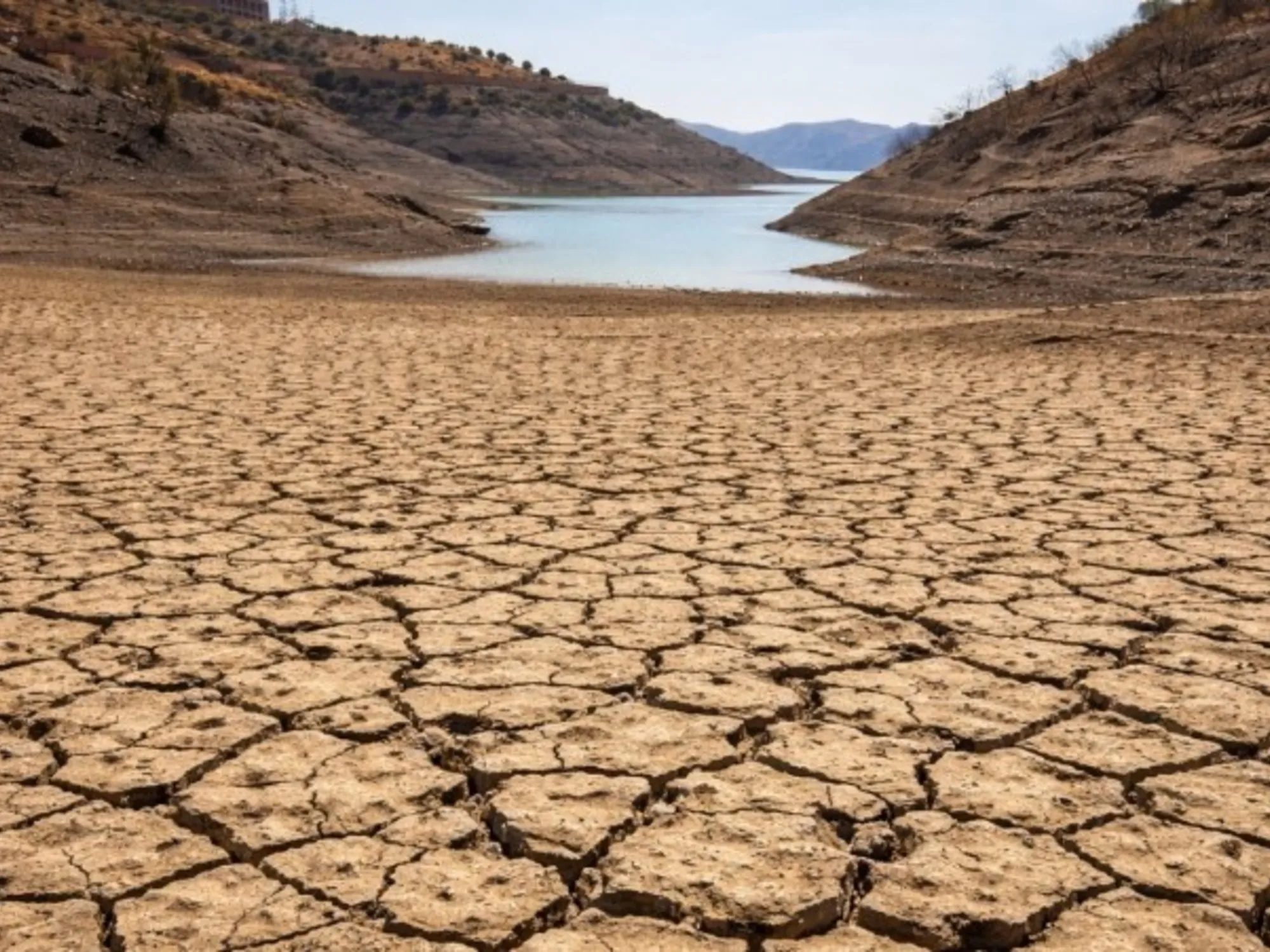
Morocco's Strategic Shift in Water Management
In response to escalating water scarcity challenges exacerbated by years of severe drought, Morocco has embarked on an ambitious initiative to transform its water management strategy. The country is accelerating large-scale projects aimed at ensuring a reliable water supply for urban areas, alleviating internal pressures, and reducing its reliance on increasingly erratic rainfall patterns. This comprehensive approach encompasses the operation of 17 desalination plants, with an additional 4 currently under construction and plans for 9 more, alongside the development of dams, canals, and water transfer networks. The official target is to reach an impressive capacity of 1.7 million cubic meters per year by 2030, underscoring the significant changes underway in Morocco's approach to water resource management.
Embracing Desalination for Sustainable Water Supply
The innovative strategy extends beyond coastal regions, aiming to utilize treated seawater to supply urban areas while conserving freshwater resources in reservoirs for the interior regions, which are most severely impacted by water scarcity affecting both human consumption and agricultural production. Water scarcity is no longer seen as a temporary issue; in recent years, diminishing rainfall has led to declining reservoir levels, increased water prices, reduced supply, and heightened tension in rural areas, particularly in the drier parts of the country. As a result, Morocco has recognized that traditional water management models are insufficient to meet the demands of irregular rainfall, urban growth, and increasing pressure on available resources.
This strategic pivot signifies that Morocco is no longer operating under the assumption that climate conditions will revert to normalcy quickly. Instead, the country is constructing a framework designed to confront structural scarcity and periods of heightened instability. The core of this new strategy lies in the expansion of desalination efforts. By converting seawater into potable water, Morocco aims to alleviate stress on reservoirs and aquifers, particularly in coastal areas where urban demand is high. The ambitious goal of producing 1.7 million cubic meters annually by 2030 serves as a catalyst for increased investment and resource allocation.
Furthermore, as coastal cities become more dependent on desalination, more freshwater is preserved for inland regions, where competition for this vital resource is more acute and the impacts of drought tend to be more severe. Following a critical period marked by water shortages, Morocco has recently experienced a significant improvement with the return of rainfall and snow, which has raised reservoir levels and provided immediate relief to the water supply system after a lengthy drought. However, this recent improvement does not negate the underlying issue; the logic behind these projects indicates that Morocco is preparing for the possibility of climate instability returning with vigor, necessitating infrastructure capable of responding to both drought conditions and episodes of heavy rainfall.
The key takeaway is that Morocco is not merely reacting to an emergency; it is proactively redesigning its water infrastructure to confront a more severe and unpredictable future, characterized by growing pressures on water supplies. The combination of desalination, the use of dams, canals, and renewable energy sources illustrates that Morocco has entered an era of extreme water infrastructure development. The goal is not only to increase water supply but also to reorganize water distribution, determining who receives water, where it comes from, and how it reaches the most affected areas. If this plan unfolds as envisioned, Morocco could mitigate some of the vulnerabilities that have exposed cities, rural areas, and reservoirs to risks in recent years. While this does not eliminate climate risks altogether, it significantly enhances the state's capacity to respond and redefines the strategic approach to water management in North Africa.
As reported by clarin.com.