
Understanding Morocco's Military Modernization Efforts
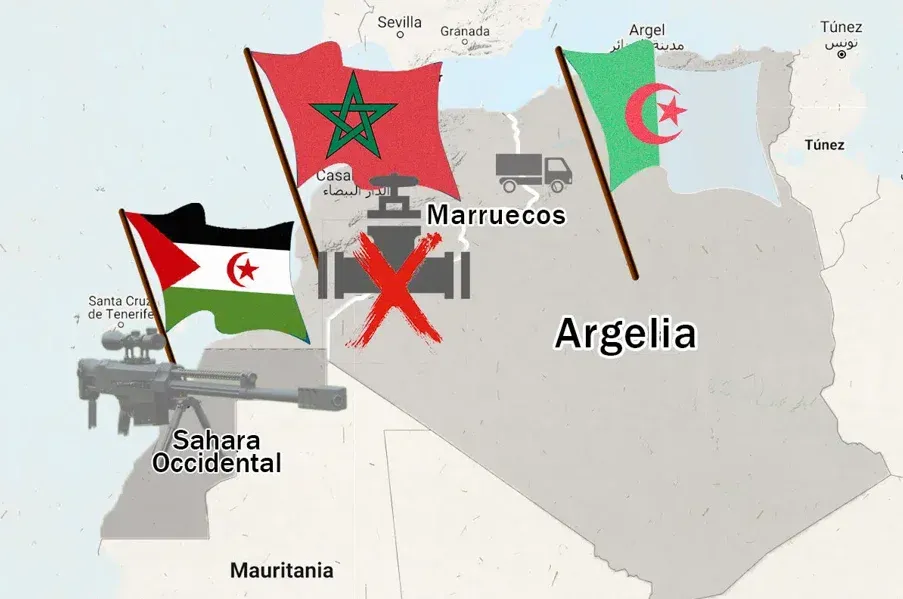
For several years, Morocco has been actively pursuing a military modernization process that has recently gained significant momentum. The acquisition of new defense systems, particularly in the aerial domain, is part of a broader strategy that cannot be understood without considering the regional context. A key factor influencing this shift is the long-standing rivalry with Algeria. This historical tension has increasingly manifested in military terms, as Algeria continues to advance its own combat capabilities. In response, Morocco is focused on strengthening its military capacity to maintain a strategic balance in the Maghreb region.
The implications of this military build-up extend directly to Western Sahara, a territory that remains at the heart of the ongoing conflict. Control over this region has been a cornerstone of Moroccan strategy for decades, and the bolstering of military forces is not solely about general defense; it also aims to solidify Morocco's position in a territory that is still awaiting decolonization. This dual purpose underscores the complexity of the situation, where military reinforcement is intertwined with geopolitical ambitions.
The Role of International Alliances and Regional Stability
Moreover, the influence of international allies plays a crucial role in shaping Morocco's military modernization. Decisions made by countries such as the United States and France regarding military cooperation have a direct impact on Morocco’s ability to enhance its armed forces. Recent developments, particularly the volatility in the Middle East, highlight how external factors can disrupt these modernization plans, creating an unpredictable environment for military strategy in the region.
In Spain, there is heightened scrutiny of this military modernization process, particularly in relation to strategic balance in Southern Europe. Analysts have increasingly linked Morocco's military efforts to broader discussions surrounding territories such as Ceuta, Melilla, and the Canary Islands, as well as the role of the United States in the region. Despite these analyses, Western Sahara remains the pivotal element that underpins Morocco's military strategy. In this context, Morocco's military reinforcement should not be viewed in isolation; rather, it is part of a larger equilibrium that affects both regional stability and the ongoing evolution of the Western Sahara conflict.
As reported by noteolvidesdelsaharaoccidental.org.