Morocco Launches Ambitious National Water Plan
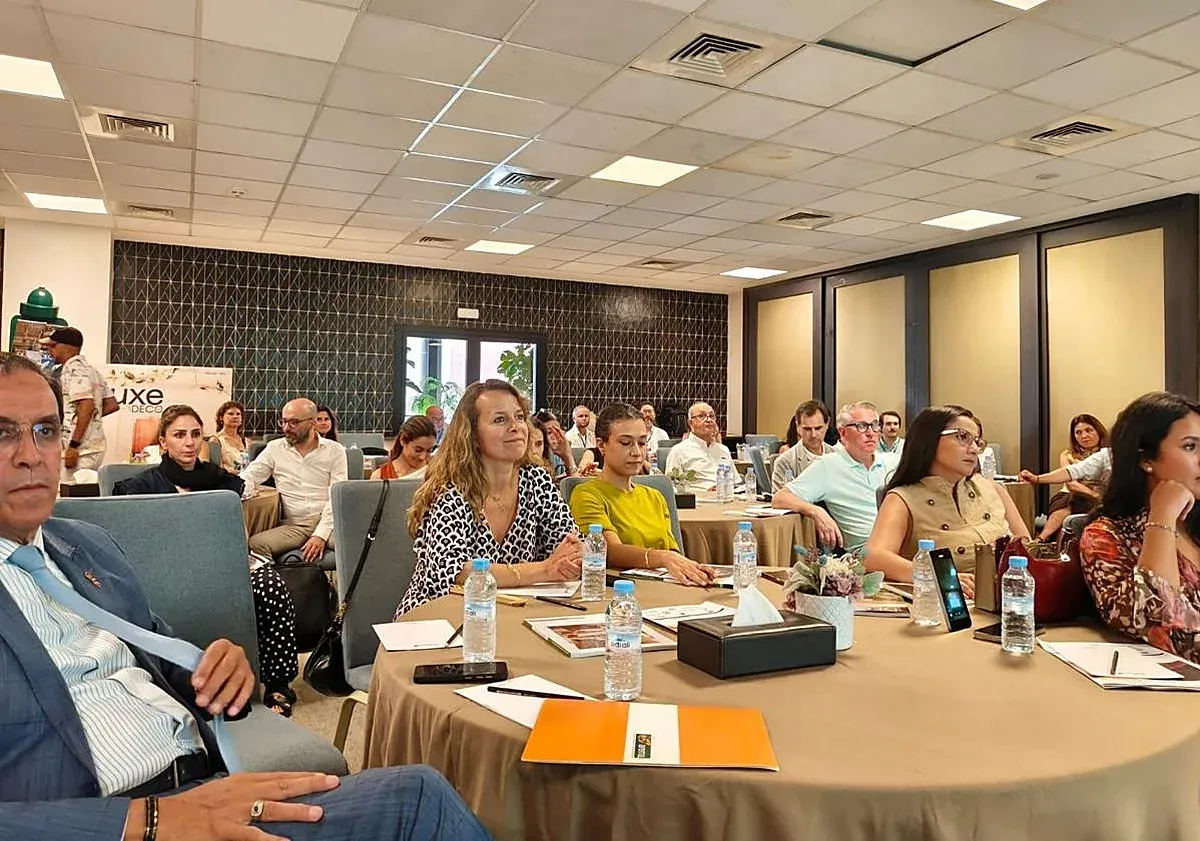
On June 3rd, Morocco announced its commitment to a National Water Plan aimed at promoting territorial solidarity through the initiative known as the "Water Highway." This strategic endeavor has recently garnered financial backing from the European Union, which has pledged €348 million to support its implementation. The Moroccan Minister of Equipment and Water, Nizar Baraka, emphasized the pressing necessity of ensuring territorial equality, noting that a staggering 54% of the nation's water resources are concentrated in a mere 7% of its land. His remarks were made during a conference organized by the Moroccan News Agency (MAP).
Addressing Water Inequity and Climate Resilience
The first phase of the "Water Highway" project has already proven beneficial, providing water supply to 11 million citizens along the Rabat-Casablanca corridor through a significant interconnection infrastructure that channels excess water between river basins. This strategic deployment received formal endorsement on Tuesday with the launch of a European program worth €348 million (approximately 3.7 billion dirhams), which combines EU grants with loans from French, German, and Italian agencies to co-finance Morocco's National Water Policy.
Territorial equity is just one of five strategic pillars outlined in Morocco's roadmap, which also includes water sovereignty as a cornerstone of national security, enhancing climate resilience, promoting sustainability, and fostering international diplomacy. During the same forum, international territorial development expert Mohammed Benahmed highlighted the urgent need for decentralizing water management, reiterating Morocco's commitment to making water a matter of national sovereignty. He stated, "A country that does not control its water resources cannot ensure its social stability or its future." Furthermore, Benahmed cautioned against the inefficacy of an export-oriented agricultural model, emphasizing its draining effect on the nation's water reserves.
In alignment with these concerns, Mohamed Amrani, the chief policy officer for the FAO in North Africa, pointed out that Morocco's water availability per capita is significantly below the global average, exacerbated by demographic pressures and climate change. He stressed the importance of ensuring that the entire population has continuous and affordable access to this vital resource. Morocco's conservation strategy has resulted in the establishment of 156 operational large dams and an additional 14 under construction, as part of this comprehensive National Water Plan.
As reported by swissinfo.ch.