Political Landscape and SAMIR's Protracted Legal Struggles
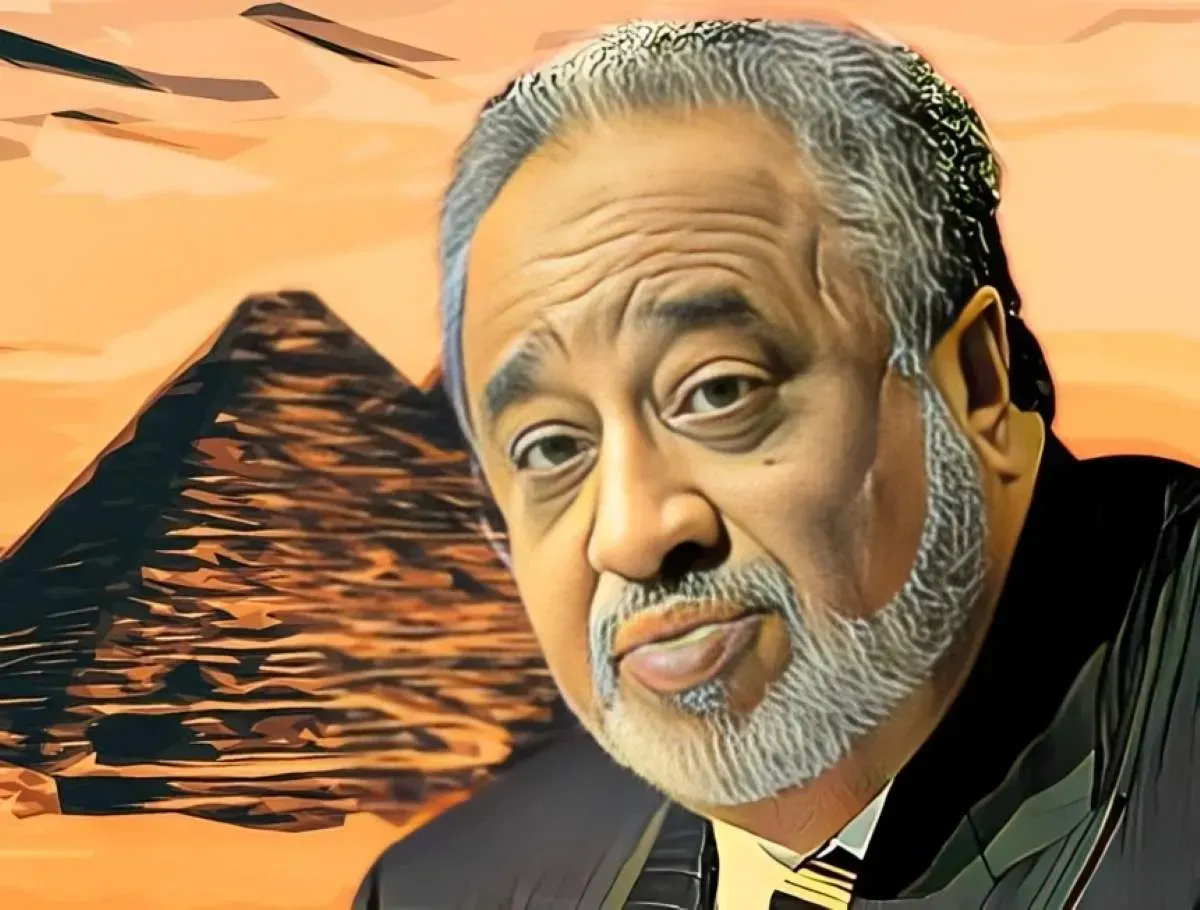
The Moroccan parliament has decisively turned down a proposal to renationalise the SAMIR oil refinery, which has remained dormant for nearly ten years following its collapse under a staggering debt burden of over $4 billion. This debt was primarily accrued during the tenure of Ethiopian-born Saudi billionaire Mohammed Hussein Al-Amoudi, whose company, Corral Morocco Holdings, operated the refinery from 1997 until its bankruptcy in 2016. The rejection of the proposal, reported by Morocco's state news agency MAP on June 18, has been a significant moment in the long-standing debate surrounding the refinery's fate. Proponents of the renationalisation argued that returning the facility to state control could bolster Morocco’s fuel reserves and enhance supply stability, especially at a time when the country is expending approximately 3 billion dirhams (around $330 million) monthly in fuel subsidies. This subsidy burden has been exacerbated by recent disruptions to shipping routes, particularly following the de facto closure of the Strait of Hormuz. Conversely, those opposing the proposal highlighted the substantial risks tied to ongoing international arbitration proceedings and the unresolved debts still associated with the facility.
The refusal of the parliament to entertain renationalisation marks the end of yet another political effort to address a complex dispute that has significantly influenced Moroccan energy policy over the past decade. This issue has also polarized the country's labor movement, placing Al-Amoudi at the center of one of Africa's most protracted legal clashes between a billionaire and the state.
Historical Context and Financial Collapse of SAMIR
Al-Amoudi entered the Moroccan energy sector in 1999, acquiring the nation’s two largest oil refineries through his energy holding company, Corral Morocco Holdings. He subsequently merged these facilities to establish SAMIR, which became Morocco's sole petroleum refining entity with a capacity of 200,000 barrels per day. At its zenith, SAMIR accounted for approximately 65 percent of Morocco's fuel supply, thus holding a strategic position as one of North Africa's most significant industrial assets. Originally constructed by the Moroccan government in 1959, the refinery remained state-owned until its privatisation in 1997, when Al-Amoudi's group took ownership.
The refinery’s downfall was the culmination of years of financial mismanagement, resulting in debts exceeding 40 billion dirhams ($4 billion) owed to both Moroccan and international banks. Approximately 40 percent of this debt was owed to the state through its customs administration, with Banque Populaire holding claims of around 2 billion dirhams ($200 million). In 2016, the Casablanca Commercial Court ordered the judicial liquidation of SAMIR after determining that the company could not meet its financial obligations. The court subsequently held the facility's former management, including Al-Amoudi, accountable for the collapse. In the aftermath, hundreds of former employees, supported by national labor unions, have persistently protested, demanding the reopening of the refinery and reinstatement of their jobs.
Al-Amoudi’s response to the liquidation was to adopt an assertive international legal strategy. Through Corral Morocco Holdings, he filed a $2.7 billion compensation claim against Morocco with the International Centre for Settlement of Investment Disputes (ICSID) in Washington, asserting that the Moroccan government had violated his investment rights regarding the facility. However, Morocco contested this claim in arbitration, accusing Al-Amoudi of blackmail and illegal tactics intended to obstruct the liquidation process. In a significant legal defeat for Al-Amoudi, the ICSID dismissed his arbitration claim in 2024, effectively terminating any prospects for substantial recovery related to his losses in Morocco. This loss has contributed to his absence from the Forbes 2026 billionaires list, despite Bloomberg's Billionaires Index estimating his net worth at around $9.3 billion.
Attempts to resolve the deadlock through private sector initiatives have also faltered. In February 2026, Dubai-based MJM Investments proposed a $3.5 billion offer to acquire SAMIR's industrial assets via the court-supervised liquidation process. However, the Casablanca Commercial Court deemed this bid inadmissible, citing incompatibility with the terms of the sale process. Morocco's reliance on imported fuel has intensified following disruptions in the Strait of Hormuz, significantly increasing the costs and complexities associated with fuel import logistics. Given SAMIR's advantageous location in the Atlantic port city of Mohammedia, along with its existing capacity and integration into Morocco’s fuel distribution network, it remains a theoretically appealing asset for any serious buyer. However, practical challenges, including unresolved creditor claims and the lingering legacy of the liquidation proceedings, have so far prevented any viable transactions.
Despite the setbacks related to SAMIR, Al-Amoudi, now 79, continues to be regarded as one of Africa's wealthiest individuals. His extensive portfolio spans various sectors, including gold mining, agriculture, construction, and manufacturing through the MIDROC Group's operations in Ethiopia, as well as fuel distribution via Saudi-based Naft Services. In 2025, he divested Preem, Sweden's largest oil refinery, to Switzerland-based VARO Energy. Nevertheless, the SAMIR refinery, once a cornerstone of his energy empire, stands closed, burdened by debt and mired in legal complications, symbolizing one of the most significant ownership failures in the annals of African industrial history.
As reported by billionaires.africa.