
Morocco Launches National Grain Reserve Construction
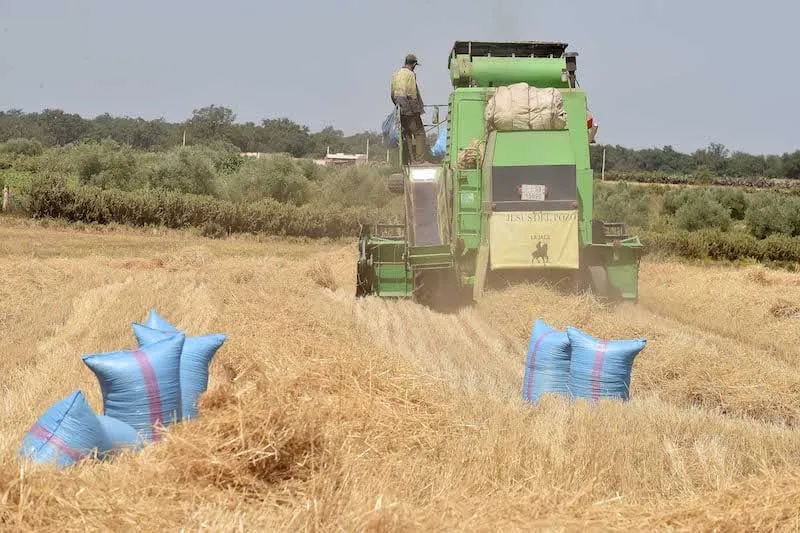
According to a reliable source, Morocco is set to commence the establishment of its national grain reserve starting next week. This initiative follows a challenging harvest season that was hindered by the Eid al-Adha festivities and rising harvesting costs, particularly due to a shortage of agricultural machinery. A representative from the National Federation of Mills stated that the introduction of import duties on soft wheat is expected to yield positive effects, focusing efforts on accumulating domestic produce. The government aims to amass between 1.5 million to 2 million quintals of this product, designating 800,000 quintals for strategic reserves.
Gradual Reduction of Stock and Economic Implications
The grain reserve will operate under a subsidy program, providing farmers with a financial incentive of 2.5 dirhams per quintal every 15 days. Over time, the stock will dwindle, decreasing from 800,000 quintals to 600,000 by the end of November and further to 400,000 quintals by January 2027. This gradual reduction is designed to encourage farmers to release their stock to mills instead of relying solely on the 3 dirhams subsidy every two weeks, thereby stimulating milling activities. The harvest season has faced stagnation due to the Eid al-Adha holiday, which led to transportation and machinery shortages as farmers have not renewed their equipment after seven consecutive years of drought. However, the collection process is expected to officially kick off next week, with full participation from aggregators and mills.
Moreover, the quality and productivity of Moroccan wheat have been praised, with local milling yielding better profits compared to imports from Europe or America, as it is a domestic product that bolsters the country's food sovereignty. Current prices for wheat range between 240 and 250 dirhams per quintal, taking into account the high costs of labor and transportation.
As reported by hespress.com.