In a world that is fundamentally redefining power dynamics, traditional boundaries and resource abundance no longer guarantee influence. The equation has shifted. Those who possess technology, invest in knowledge, and manage data flows are the ones determining their positions in this new landscape. In this quiet transformation, Africa is moving from the periphery to the forefront, not merely as a market but as a burgeoning space within the global digital economy.
Within this context, the decision to move the GITEX exhibition from Dubai to Marrakech is not simply a natural expansion of a successful tech event; rather, it signals a broader trend. The world is beginning to view Africa through a different lens, with Morocco positioning itself at the heart of this transformation. As Marrakech prepares to host the exhibition from April 7 to 9, 2026, it becomes clear that this endeavor transcends mere event organization; it signifies a repositioning within the influence equation.
Since its inception in Dubai over four decades ago, GITEX has been more than just an exhibition. It has served as a platform that tracks technological shifts and their transitions. Today, as it lands in Africa, it reflects a fundamental truth: centers of attention are no longer static. There is a South that is on the move, reasserting itself, and there are countries ready to seize the opportunity.
In this scene, Morocco emerges as a player with clear intentions. Over the past few years, it has not only invested in infrastructure but has also focused on cultivating an image of stability, openness, and mediating capability. Morocco has invested in digitization, improved its business environment, and forged advanced economic relationships within Africa. These steps are not isolated efforts but part of a vision aimed at solidifying Morocco’s position as a bridge between Europe and the African continent.
The choice of Morocco to host GITEX Africa is not merely a technical detail; it is the result of this cumulative effort. The country combines geographical advantage, stability, and organizational capability, presenting itself as a reliable partner in a complex African environment. This is precisely what global companies seek: a secure entry point into a vast yet heterogeneous market.
Technology is the key to this new influence. Here, technology intersects with politics. Countries that contribute to building digital infrastructure are not merely participating in the economy; they are becoming integral to shaping its rules. Communication networks, financial services, digital platforms—these are all instruments of influence. Morocco seems acutely aware that influence in Africa today largely traverses these pathways.
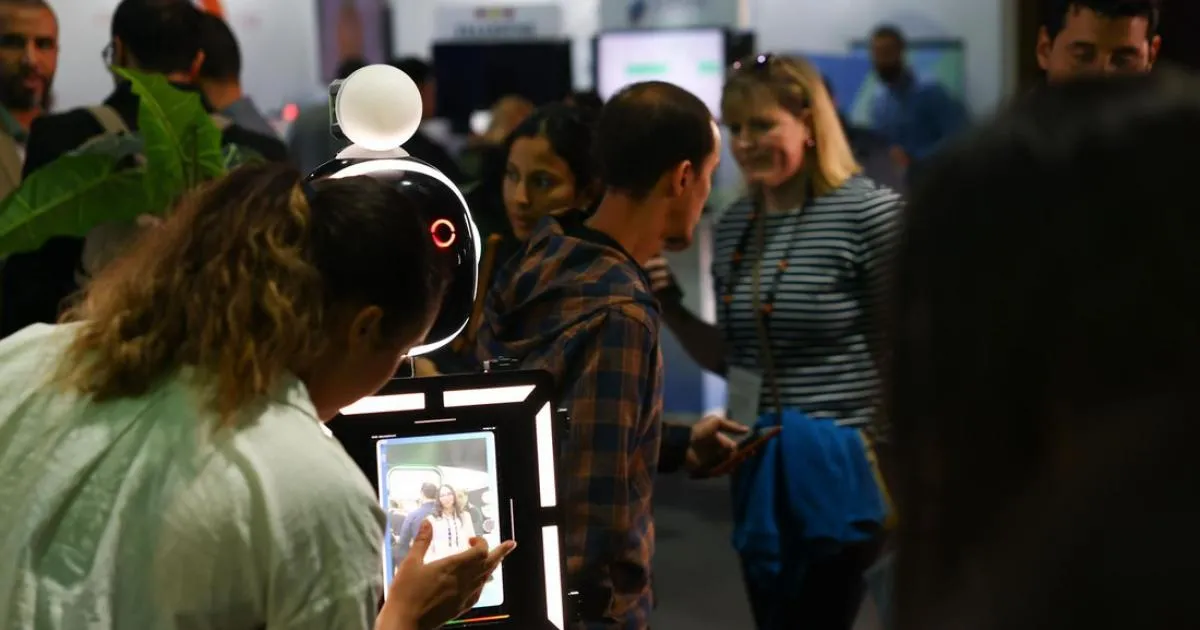
In this context, GITEX Africa is not just an exhibition; it is a meeting platform for interests. Investors searching for opportunities, companies exploring new markets, and nations seeking to solidify their presence converge here. Morocco positions itself at the heart of this equation, not only as a host but as an active player facilitating connections and creating pathways.
Conversely, Africa appears as one of the last major growth frontiers in the world. With a market exceeding a billion people, a high youth demographic, and a growing need for digital solutions across various sectors, this reality renders it a fertile ground for innovation while simultaneously demanding a nuanced understanding of its complexities. Here, Morocco’s proximity and accumulated experience come into play.
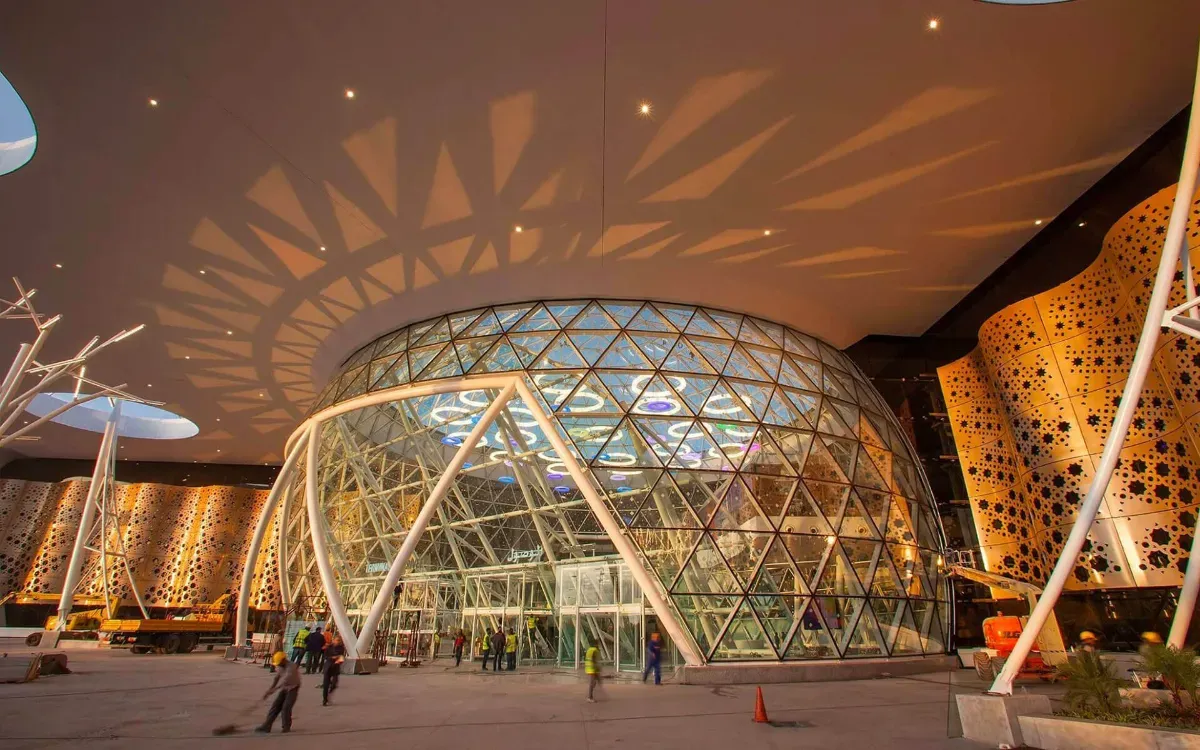
Marrakech, which will host the event, reflects this transformation as well. It has evolved beyond being a mere tourist city to become a space for international meetings where technology converges with the economy, and culture intersects with politics. The city is gradually transitioning into a platform that embodies a new image of Morocco, one that seeks to diversify its roles and enhance its presence.
However, the true challenge lies beyond the event itself. Exhibitions may open doors, but they do not alone create transformation. The digital economy requires continuity: education that produces skills, an environment that fosters innovation, and policies that ensure accumulation. Morocco has initiated this journey, yet there remains a need to strengthen these efforts.
Ultimately, what GITEX Africa represents is more than just a technological event; it is part of a broader narrative—one that entails the repositioning of countries in a changing world. Through this journey, Morocco strives to demonstrate that it is not merely a follower but a capable actor influencing and establishing its place in a knowledge-driven economy. While a single exhibition may not alter the balance of power, it does reveal the direction of change. In this evolving landscape, Morocco has clearly chosen its position: at the heart of transformation, where opportunities are crafted, and influence is redefined.
As reported by middle-east-online.com.