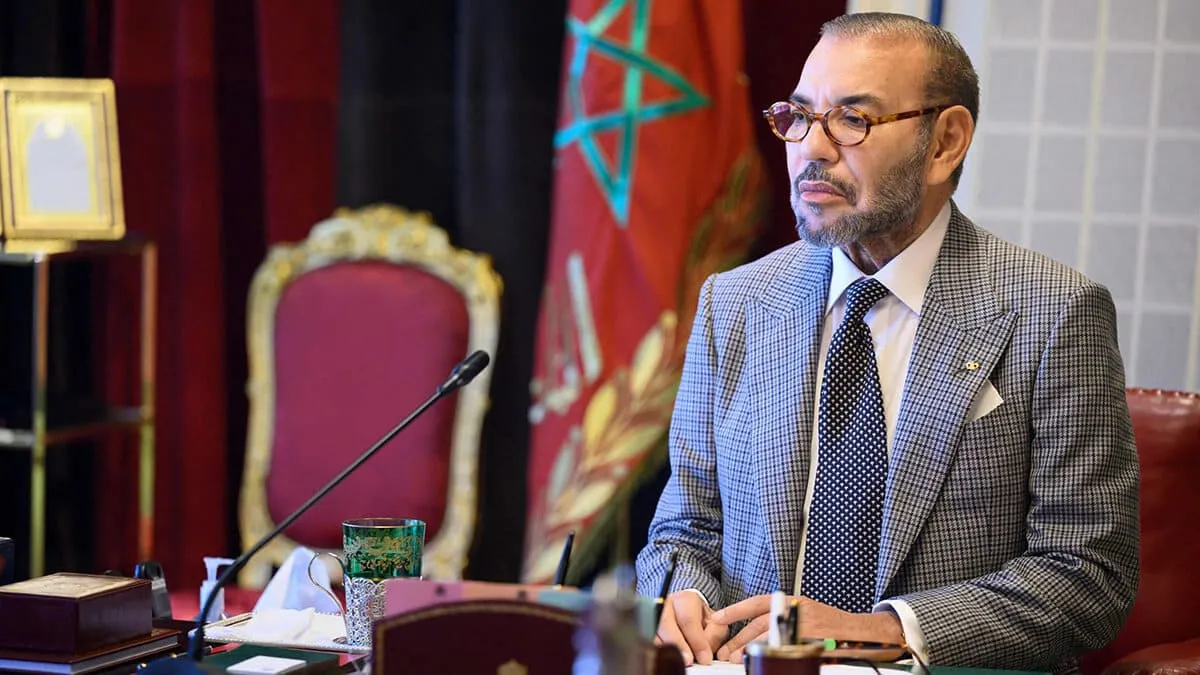

Morocco's Strategic Transition to the Atlantic: A New Geopolitical Paradigm
Morocco's movements, driven by the Royal Vision towards the West African region, particularly within the intricate maritime and geopolitical space of the Gulf of Guinea, reveal the emergence of a new sovereign geopolitics that transcends the classical approaches focused solely on border security and the recognition of territorial integrity. In this context, Rabat has successfully shifted its strategic weight from a defensive posture to an offensive initiative, aimed at constructing new international realities and solidifying a fait accompli.
The Gulf of Guinea has consequently transformed, from a Moroccan strategic perspective, into a vital and organic extension of the Moroccan Atlantic, serving as a directly interconnected logistical and security artery with Rabat's defense lines and vital interests. This development necessitates that decision-makers in Rabat articulate a comprehensive approach capable of establishing an integrated Atlantic hub that ties Moroccan stability to the collective security and sustainable development of the nations within this tumultuous gulf.
In relation to this accelerated dynamic, Morocco's strategic expansion coincides with a historical and critical turning point in the Gulf of Guinea and West Africa, characterized by profound geopolitical vacuums resulting from the rapid withdrawal of traditional Western powers and the rise of new forms of hybrid conflicts, compounded by intense international competition among global powers vying for firm positions in this strategic maritime front. The complexity of this scenario, influenced by threats from maritime piracy, transnational organized crime, and the ramifications of instability originating in the Sahel countries, places Morocco's approach before the challenge of practically implementing its macro-projects through an effective transition towards safeguarding achievements and constructing robust infrastructures, spearheaded by the executive plans of the historic Gas Pipeline from Morocco to Nigeria and the logistical operability of the Dajla Atlantic Port.
The Atlantic Initiative and the Gulf of Guinea: Synergies Against Global Challenges
The Atlantic Initiative, promoted under King Mohammed VI's Royal Vision, represents a profound architectural change in the structure of regional and international cooperation, presenting a comprehensive geopolitical approach aimed at linking Sahelian states with the Atlantic space to create a stable and prosperous economic zone. Within this framework, the Gulf of Guinea serves as a vital global commercial artery extending along a vast coastline of 6,000 kilometers from Senegal to Angola, hosting 20 coastal states, through which approximately 25% of maritime trade destined for the entire African continent transits.
This vast strategic maritime space faces complex security challenges that threaten regional and international stability and obstruct the flow of global maritime trade. The region harbors immense energy and food resources, including massive oil reserves accounting for about 10% of global crude production, and is rich in fishing grounds essential for the food security of millions of African families. Hence, safeguarding these capabilities and ensuring the security of navigable waters become a paramount strategic interest where Morocco's pioneering vision converges with the efforts of partners aimed at securing the South Atlantic.
In conclusion, Morocco's Atlantic doctrine towards the Gulf of Guinea manifests through executive instruments and bold initiatives on the ground, with Mohammed VI at the helm of a solid structural revolution based on transcontinental strategic projects aimed at reconfiguring the map of geoeconomic interests in West Africa. The Royal Initiative to facilitate access for Sahelian countries to the Atlantic Ocean stands out as the cornerstone of this new regional architecture, having transformed, thanks to the foresight of the Royal Vision, into a sovereign Moroccan commitment aimed at breaking the geographical and economic isolation of sister nations in the Sahel (Mali, Burkina Faso, Niger, and Chad) by providing them with Morocco's logistical, port, and transportation infrastructures.
As reported by atalayar.com.