
Understanding Morocco's Counterterrorism Strategy
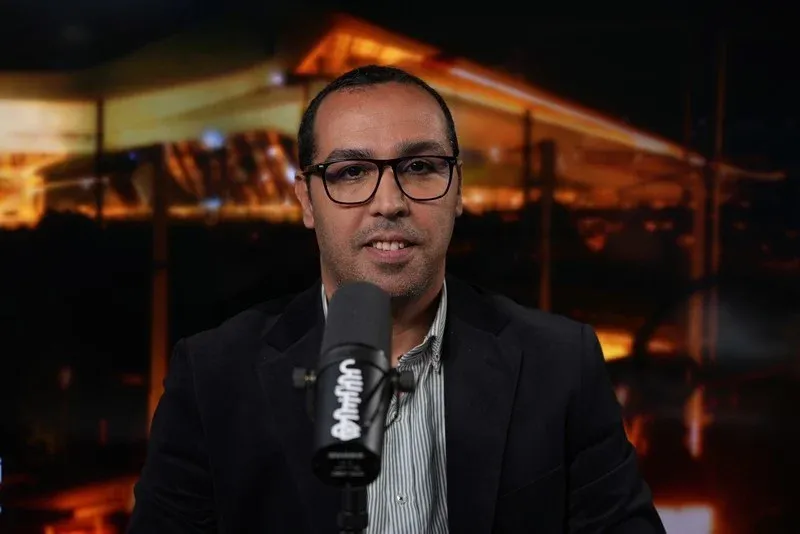
In recent discussions, security and strategic affairs expert Ihssane El Hafidi provided an insightful analysis of the evolving nature of terrorism and the effectiveness of Morocco's approach to combating it. During his appearance on the "Hespress Discussion" program, El Hafidi highlighted the current and future challenges posed by the digital landscape and geopolitical shifts. He emphasized that Morocco's counterterrorism strategy has consistently focused on tracking the dynamics that generate security threats, whether they stem from religious, social, or economic factors. The expert pointed out that Morocco has chosen a challenging path that involves dismantling terror cells and employing a proactive security approach, which necessitates a cohesive security doctrine and a nuanced understanding of the transformations within the terrorist landscape.
El Hafidi illustrated the success of this model using two key indicators. The first indicator is the significant decline in the number of dismantled terror cells, which has decreased from over 21 in 2015 to an average of 4 to 5 annually over the past five years. The second crucial indicator is the failure of terrorist organizations to establish a geographical foothold within Morocco, recalling an incident where a cell's plot to declare a "state" in seven Moroccan cities was thwarted. He considered the events of May 16, 2003, as a pivotal moment that accelerated legislative and legal reforms, alongside religious and media reforms, aimed at curtailing the phenomenon of extremism.
Adapting to the Evolving Threat Landscape
El Hafidi discussed the radical transformation in the operational methods of extremist groups, categorizing this evolution into three strategic phases. The first phase, termed "death for the sake of killing," involved suicide operations. This was followed by a shift to "killing for the sake of killing," characterized by bombings and car explosions. The final phase adopted the strategy of "killing for survival," where organizations aim to preserve the lives of their members through initiatives like resource gathering and road ambushes, as seen in conflicts like those in Mali.
Furthermore, the security expert warned that the cyber environment has become a major incubator for recruitment and radicalization. Since 2016, over 600 individuals have been arrested in Morocco for attempts to recruit or radicalize others via social media platforms. He pointed out that technological advancements have facilitated what he termed the "globalization of religion," enabling extremist groups to exploit social media as an ideal platform for disseminating their ideologies and marketing their agendas. He cautioned against the potential future shift of these organizations towards cyber or biological attacks.
In his analysis of the ideological foundations of extremism, El Hafidi differentiated between groups that emerge from radical religious interpretations and those, like ISIS, that have adopted extreme practices and behaviors (such as brutality and exclusion) and later sought to "Islamize" this extremism to justify their crimes. To counter this ideology, he praised the exceptional political courage reflected in the "Reconciliation" program, which involves direct dialogue with individuals convicted of terrorism-related offenses and the inclusion of former convicts in rehabilitation efforts aimed at guiding people away from extremist thought.
El Hafidi raised alarms regarding the Sahel region, identifying it as a critical security area for Morocco. He presented alarming data indicating the existence of over 27 terrorist movements in Africa, more than half of which operate in the Sahel. He noted that there are over 100 Moroccan nationals and members of the Polisario Front involved in these organizations. The difficulty of tracking foreign fighters during armed conflicts complicates the security landscape, leading many to disappear without a trace, posing significant intelligence challenges regarding the fate of those who might return from conflict zones, which adds to the existing challenges posed by those stranded in Iraq and Syria.
In conclusion, El Hafidi affirmed that the effectiveness of Morocco's approach extends beyond national borders, citing the security and intelligence cooperation mechanisms established by Morocco with major global security agencies. He recalled Morocco's contributions to significant international investigations, such as the 2004 Madrid bombings and incidents in Paris, as well as thwarting plots in Denmark and Italy, reflecting a shift from mere information exchange to high-level operational coordination that promotes global stability and combats extremism.
As reported by hespress.com.