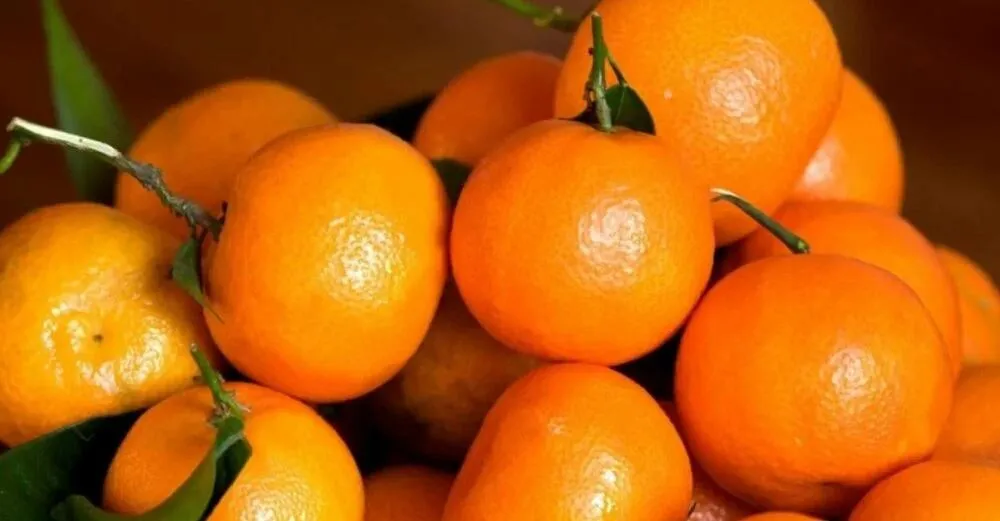
Morocco's Ascendancy in the Global Tangerine Market
Morocco is cementing its reputation as a leading player in the international tangerine market, with forecasts indicating that the country will export approximately 550,000 tonnes of tangerines during the 2025-2026 season. This significant volume not only highlights Morocco's robust agricultural sector but also underscores its strategic position amidst increasing global competition and climatic challenges. The country's tangerine exports are supported by premium varieties and favorable production schedules, although they face structural challenges such as water scarcity, climate volatility, and intensified global competition.
Challenges and Opportunities in Tangerine Production
Over the past few decades, Morocco has established itself among the top five global exporters of tangerines, with clementines and tangerines accounting for about 83% of the nation's citrus exports. The main competitors in the international market include Spain, Turkey, Egypt, and South Africa, all of which play significant roles, particularly in the European market—a key destination for Moroccan exports. With global tangerine production estimated between 38 and 43 million tonnes, China dominates the market, yet most of its output is for domestic consumption, allowing a few Mediterranean countries to control international trade.
Morocco's geographical proximity to Europe provides a logistical advantage, reducing transportation time and costs. Additionally, Moroccan tangerines often enter the European market when competition is limited, enhancing sales and price stability. However, the Moroccan citrus sector is grappling with critical vulnerabilities, primarily due to ongoing water stress resulting from recurring droughts, which have diminished yields and led to the abandonment of some orchards. Furthermore, erratic weather patterns, including excessive rainfall and flooding, have complicated harvesting and export processes, contributing to production volatility.
Despite these challenges, tangerines remain a vital component of Morocco's agricultural exports, second only to tomatoes. The future development of this sector hinges on the introduction of premium varieties like Nadorcott, which cater to the growing demand for high-quality fruits in Europe. Improving irrigation efficiency is crucial in mitigating water stress, while exploring new markets in Northern Europe, Asia, and the Middle East could diversify Morocco's export landscape and reduce dependence on traditional markets.
As reported by fr.le360.ma.