
Government Initiatives to Bolster the Transport Sector
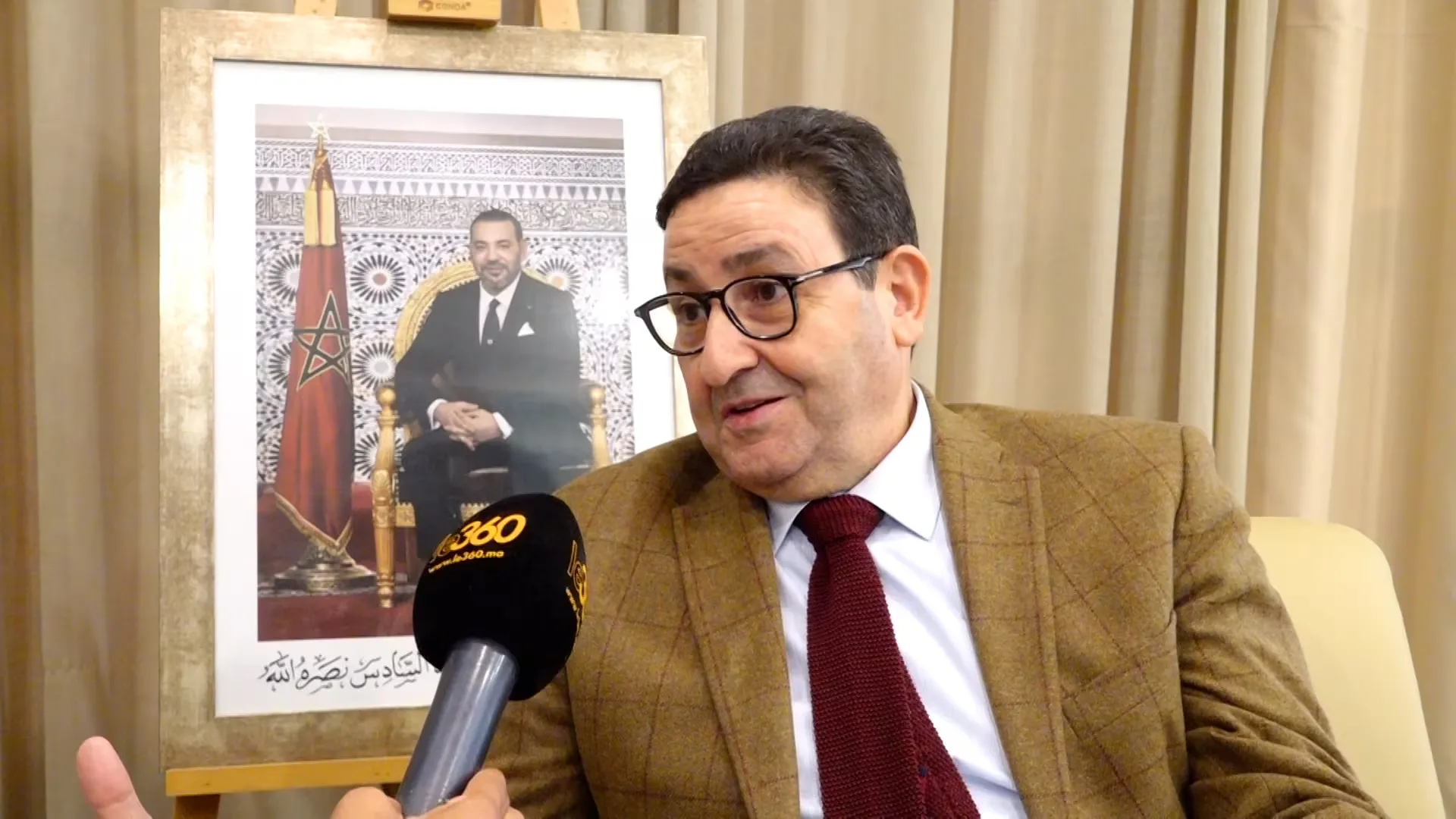
In a recent interview, Abdessamad Kayouh, the Moroccan Minister of Transport and Logistics, unveiled significant government support aimed at the professional transport sector. A financial package amounting to 648 million dirhams has been allocated, which will directly benefit approximately 216,000 vehicles. This initiative comes in response to rising fuel prices that have adversely affected operational costs within the transportation industry. As of April 7, nearly 100,000 applications have already been submitted, covering around 178,000 vehicles, demonstrating the urgent need for assistance among transport operators.
The minister elaborated that this support encompasses various segments of the road transport sector, including freight transport, taxis of both first and second categories, urban and intercity bus transport, as well as tourism-related transport services. Additionally, the aid extends to mixed transport in rural areas, school transport, and emergency services. To determine eligibility, the Ministry utilizes the classification of vehicles registered in its administrative databases. The continuation of this assistance will be contingent upon the evolving economic landscape and the government's budgetary decisions.
Morocco's Aspirations in Aviation and the Upcoming ICAO Congress
During the conversation, Kayouh also touched upon Morocco's ambitions in the aviation sector, particularly as the country prepares to host the fifth session of the International Civil Aviation Organization (ICAO) Congress in Marrakech on April 13. The selection of Morocco among numerous candidates reflects its enhanced status in aviation safety, having improved its compliance rate from 67% to nearly 87%. The congress is expected to attract around 1,500 participants, including 50 ministers and various industry experts, and will focus on crucial topics such as the energy transition in air transport and sustainable aviation fuels, including green hydrogen and ammonia.
Additionally, Kayouh emphasized the robust growth of global air traffic, which reached approximately 4.5 billion passengers in 2024 and is projected to soar to 12 billion by 2050. In light of this, Morocco's "Aéroports 2030" strategy aims to double its passenger capacity from 40 million to 80 million by 2030, positioning the country as a key hub connecting Africa, Europe, and the Americas.
Royal Air Maroc is playing a pivotal role in this transformation by expanding its fleet, with plans to grow to around 200 aircraft. This strategy includes a recent program agreement with the government that anticipates a fourfold increase in its fleet by 2037. The airline plans to acquire around 20 Boeing 787 Dreamliners for long-haul flights, up to 50 Boeing 737s for short to medium-haul routes, and approximately 20 Airbus A220s for regional networks. These acquisitions are essential to support the expansion of international routes, including a new connection between Casablanca and Los Angeles, as well as developing new destinations in Japan and Chile. This strategic growth aligns with Morocco's goal to enhance its international air transport capabilities, especially with significant global events like the 2030 World Cup on the horizon.
As reported by fr.le360.ma.