
Navantia's Latest Maritime Project: A Step Towards Enhanced Naval Cooperation
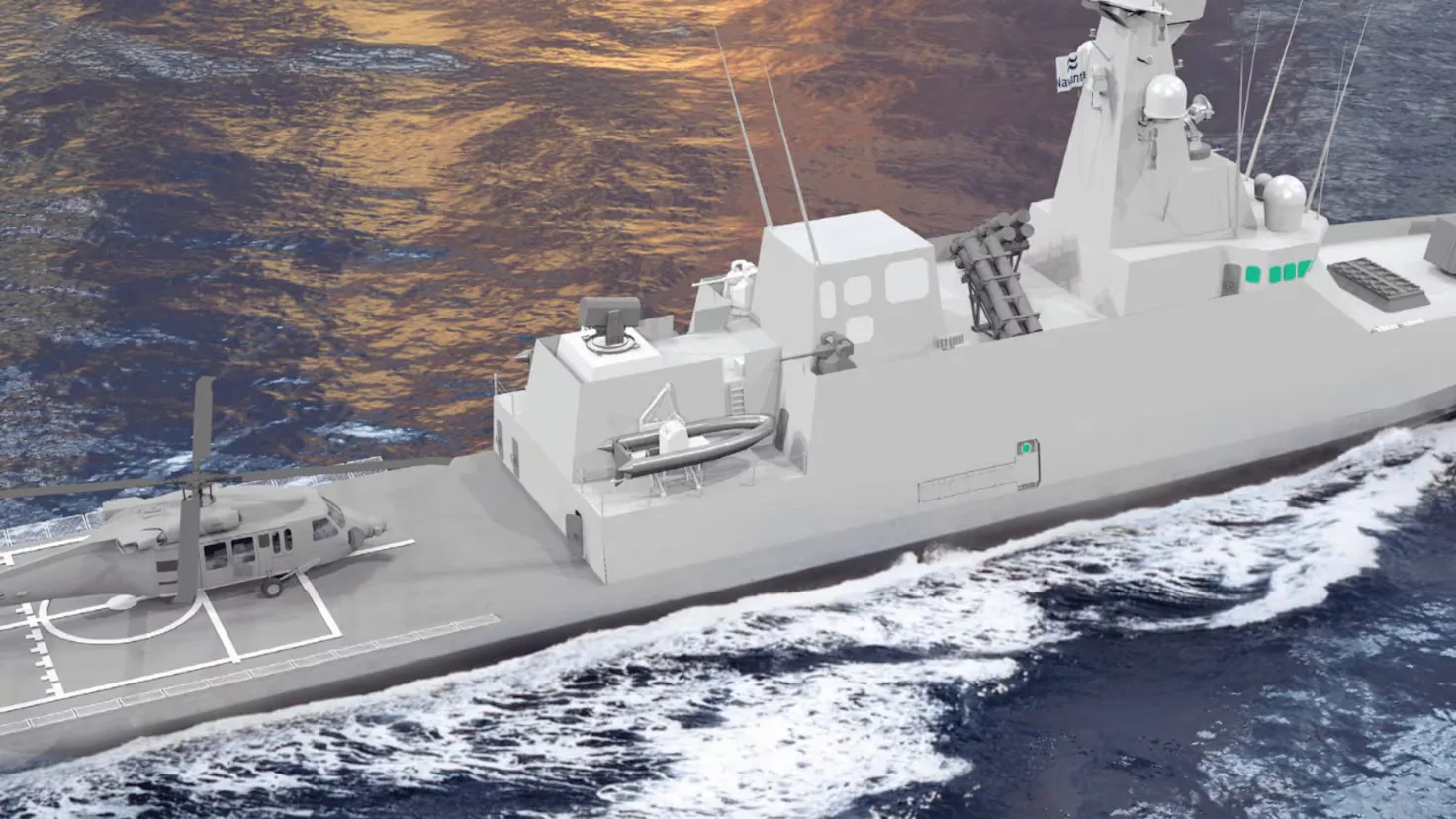
The Spanish state-owned shipbuilding company Navantia has commenced the sea trial phase for its high-altitude patrol vessel designed for the Royal Moroccan Navy, marking a significant milestone in the vessel's development. This pivotal stage comes after the ship recently departed from Navantia's shipyard in San Fernando, Cádiz, and is essential before its final delivery, which is scheduled for 2026. The patrol vessel, based on the Avante 1800 model, symbolizes the growing industrial and military collaboration between Spain and Morocco.
The sea trials are crucial as they will assess the vessel's performance under real-world conditions. The construction of this significant maritime asset has consumed over a million working hours and has created approximately 1,100 direct and indirect jobs over a three-year period, according to reports from Infodefensa.
In addition to the vessel itself, the delivery package to Morocco includes comprehensive technical-logistical support, which encompasses spare parts, documentation, and necessary tools, as well as training services for the Moroccan Navy personnel. Designed to enhance maritime security capabilities, this vessel plays a vital role in Morocco's naval modernization efforts.
Measuring 87 meters in length, the patrol vessel is engineered to serve as a platform capable of executing maritime surveillance missions and security operations. It boasts a substantial carrying capacity of 2,020 tons and can cruise at speeds of up to 24 knots. The vessel is powered by a combined diesel and diesel propulsion system (Codad), featuring four MAN 175D main engines and five Baudouin 6 M26.3 marine generators. Additionally, the ship is equipped with a helicopter deck and the capacity to transport two rigid-hulled inflatable boats (RHIBs).
According to Infodefensa, this new patrol vessel will significantly bolster the capabilities of the Royal Moroccan Navy, which has been identified as one of the weaker aspects of the Moroccan armed forces. In recent years, Rabat has made substantial investments in acquiring drones, air defense systems, and other armaments, leading to a relative neglect of its naval forces, as noted by the publication.
As reported by as.com.