
Alternative Maritime Routes Emerge Due to Strait of Hormuz Blockage
The maritime trade routes are currently facing a significant crisis following the blockade of the Strait of Hormuz, which occurred on February 28. This blockade was instigated by military actions between the United States, Israel, and Iran, a situation that has profound implications for global commerce, particularly in the oil sector, as approximately 20% of the world's oil trade passes through this critical passageway. Consequently, shipping companies are now compelled to seek alternative routes to continue their operations and facilitate the transportation of goods across continents.
Traditionally, the Red Sea and the Suez Canal have provided a much shorter journey for commercial vessels. However, navigating through the Strait of Hormuz poses significant risks, including the threat of encountering underwater mines deployed by Iran or facing prolonged delays at the strait itself. As a result, the maritime route around the African continent is regaining importance. This southern route, which circumvents Africa, extends travel times by an additional 10 to 14 days, increasing shipping costs by $1,500 to $3,300 per container. However, this detour offers enhanced security and peace of mind for shipping companies. The route traverses the Cape of Good Hope in South Africa and follows the entire western coast of Africa before reaching Europe. Major shipping lines such as Maersk, Hapag-Lloyd, and CMA CGM have already begun utilizing this old yet reliable alternative.
Morocco's Strategic Advantage with New Shipping Routes
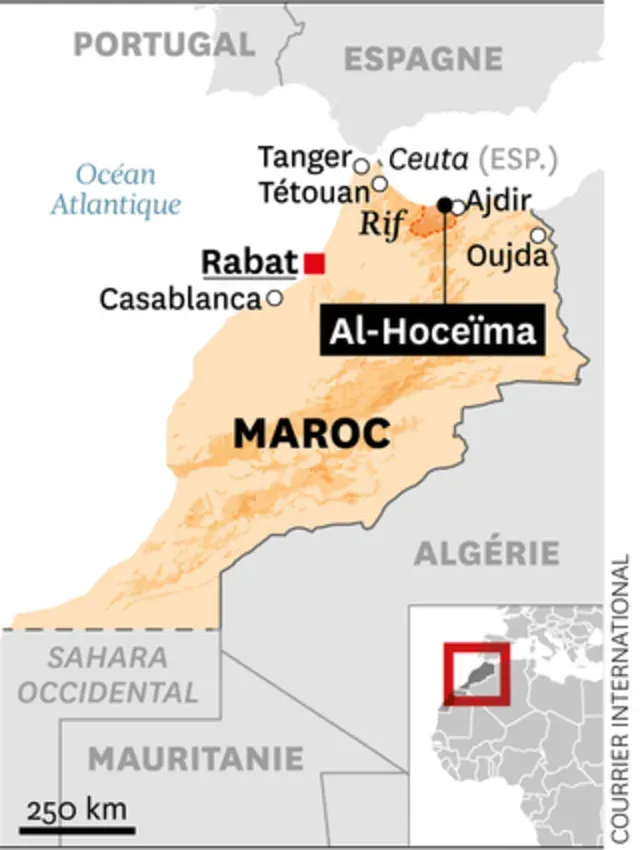
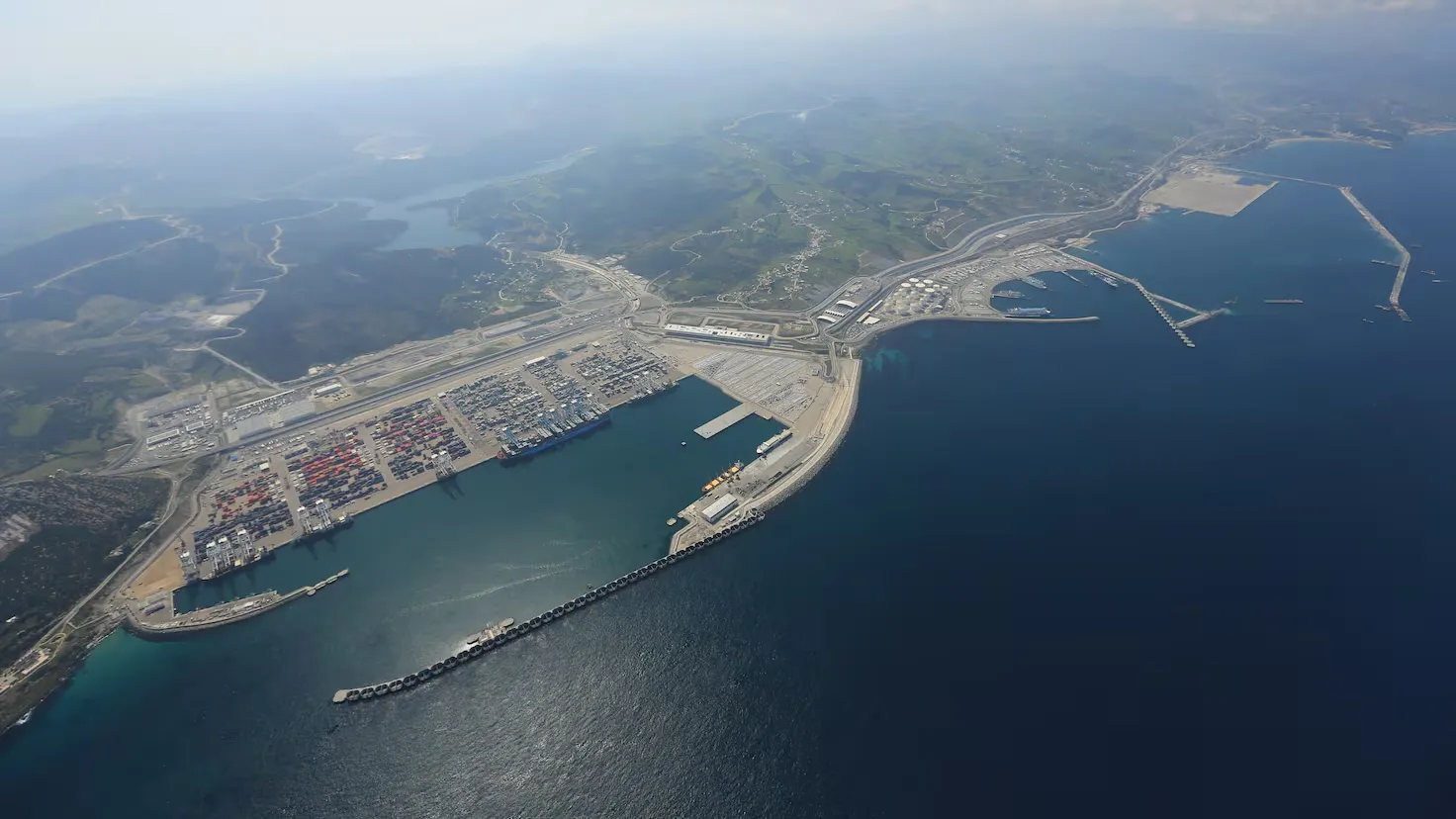
Morocco stands to benefit significantly from this temporary alternative route, thanks to its strategically located ports, such as Tangier Med and the upcoming Dakhla Atlantic port in Western Sahara. According to reports from Atalayar, Idriss Aarabi, the General Director of the Tangier Med Port Authority, anticipates an increase in ship calls at Moroccan ports as vessels navigate around Africa. To accommodate this expected surge, they are proactively preparing to manage port capacity while working to prevent congestion.
If the blockade in the Strait of Hormuz continues, vessels that previously navigated the Mediterranean, after passing through the Suez Canal, may now opt to sail around Africa and replenish their supplies at African ports, thereby bypassing their former European stops in Italy or Spain. In Spain, the port of Algeciras is likely to be the most affected, as it serves as a crucial gateway between the Atlantic Ocean and the Mediterranean Sea.
While the exact impact of these new shipping routes on European ports remains uncertain—conclusive data will not be available until the annual figures for 2026—the trend suggests a potential ongoing decline in traffic. The aforementioned report indicates that the Port of Rotterdam, one of the ports hit hardest by the Hormuz blockade, experienced a 1.7% decrease in cargo volume in 2025, equating to 428.4 million tons. The repercussions of this blockade on global trade dynamics are likely to unfold over the coming years.
As reported by as.com.