

Casablanca's New Regulations for Non-Muslim Funeral Services
The Casablanca municipality is currently considering a new regulatory framework governing the funeral services for non-Muslims, which outlines a delegation contract lasting ten years, with the possibility of automatic renewal unless there is a breach of the agreed-upon terms. Under this framework, the service provider is obligated to offer their services within the municipal boundaries of Casablanca, while also having the capacity to transport deceased individuals from the economic capital to various regions across the kingdom, adhering to existing laws and regulations.
According to the new guidelines, the company must be available to the public, local authorities, security services, and civil protection units around the clock, seven days a week. Any unjustified refusal to transport the deceased is subject to penal sanctions. In cases of emergencies or a surge in mortality due to epidemics, the appointed service provider is required to cover all expenses personally, regardless of the scale of need. Should they be unable to meet these obligations, the local municipality will intervene to ensure the continuity of service.
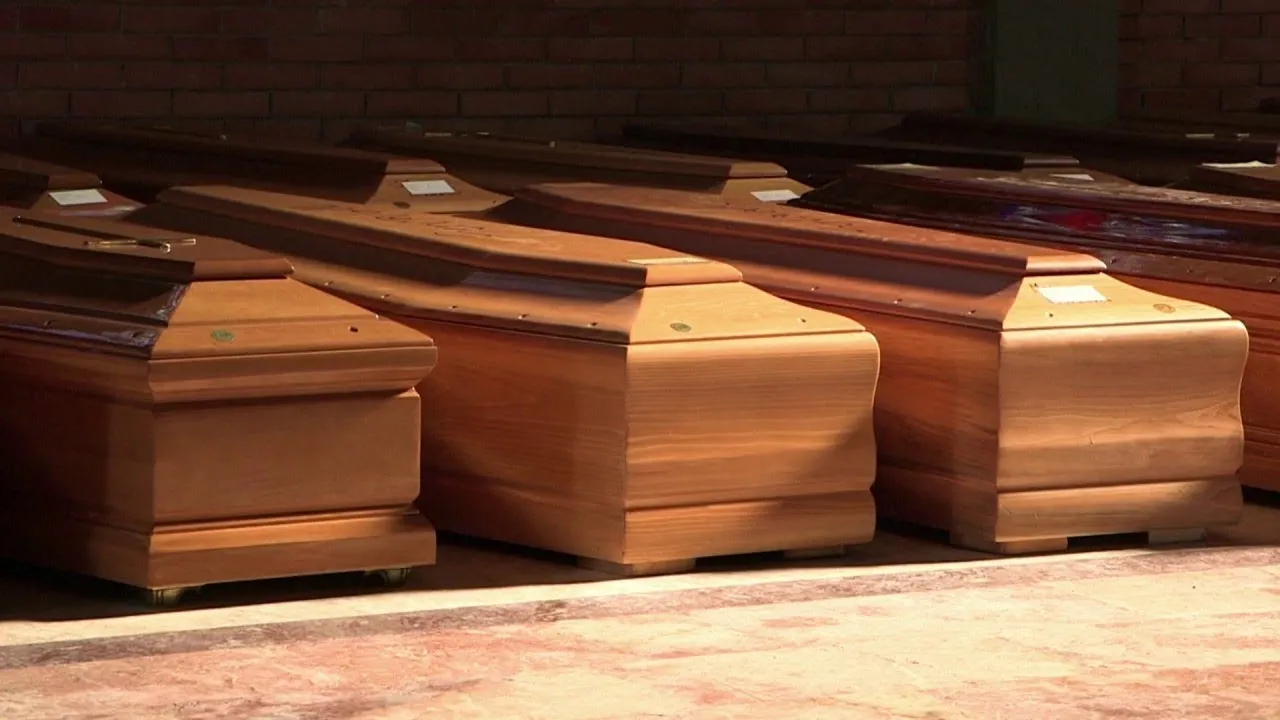
The document specifies that the company must provide coffins of various types; for standard burials, a wooden coffin is mandated, while a zinc coffin equipped with an approved air filter is required for interments within a vault (Caveau). The service also includes transporting the body from the place of death—be it a hospital, health office, or residence—to the cemetery, allowing for passage through religious facilities (such as churches or synagogues) to conduct funerary rites in accordance with the deceased's doctrinal specifics.
When transporting the body outside the regional boundaries, it must be placed in a zinc coffin equipped with an air filter that complies with IATA standards, securely locked with clamps and screws, following the acquisition of the necessary administrative licenses. Furthermore, the service provider is obliged to conduct regular maintenance of the funeral vehicle fleet to ensure operational readiness and to carry out mandatory disinfection and sterilization after each transport, using materials and equipment that comply with current health regulations.
The municipality retains the right to instruct the company to replace any vehicle that fails to meet quality and safety standards. Additionally, no new or replacement vehicles may be put into service until they have been inspected by a specialized technical committee. The document also notes that drivers and personnel will undergo health inspections and regular medical check-ups, with the company required to dismiss any employee who does not maintain appropriate decorum and dignity while performing their funeral duties.
Moreover, the service provider must maintain an accurate annual log detailing the names of the deceased, starting points, and destinations to ensure comprehensive tracking of all operations conducted throughout the year. The new guidelines also specify detailed pricing for services, with coffin placement costing 600 dirhams, funerary rites priced at 1,000 dirhams, and coffin prices ranging from 800 to 1,000 dirhams for children, and up to 1,400 dirhams for adults, in addition to other defined expenses.
Furthermore, the guidelines allow for modifications to the management contract during its validity, provided they are made in consultation and agreement between the municipality and the service provider, and through an addendum that is deliberated by the municipal council and approved by the relevant authority. In conclusion, all company facilities and equipment will undergo regular inspections by health authorities and technical assessments to ensure that the service consistently meets quality standards and upholds human dignity in dealing with the deceased.
As reported by thevoice.ma.

