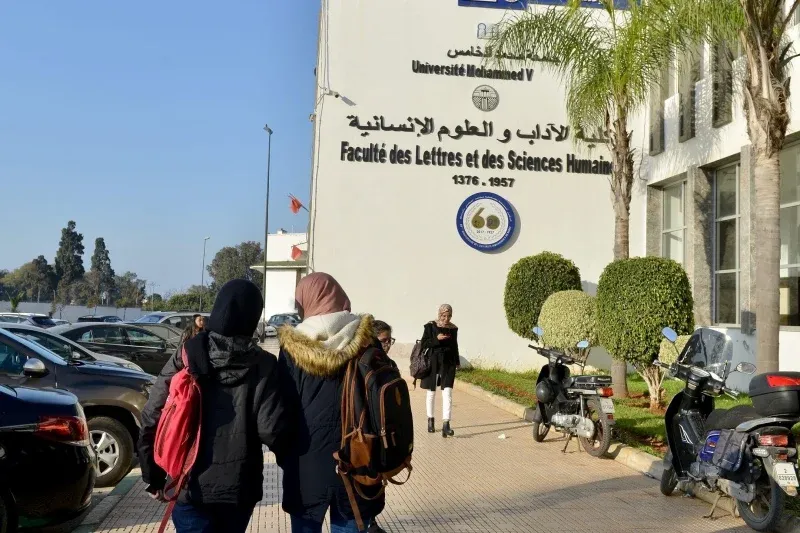

Transforming Morocco's Higher Education Landscape
The Moroccan government is actively preparing a groundbreaking decree aimed at significantly restructuring the national university landscape. This initiative is part of ongoing reforms designed to modernize higher education, scientific research, and innovation in the country. The primary goal is to enhance the quality of educational programs and ensure equitable access to university services across various regions.
This project addresses the demographic, economic, and social changes affecting different areas of the Kingdom. It recognizes the urgent need to diversify educational offerings and develop academic programs that align more closely with labor market demands and contemporary developmental trends. A key component of this initiative is the transformation of several multidisciplinary universities into specialized institutions with greater autonomy, which will enhance both pedagogical and administrative support, thereby improving the overall quality of education and research.
Key Reforms and New Institutions
Among the significant measures proposed is the division of multidisciplinary faculties in Al Hoceïma, Nador, and Safi into specialized universities focusing on areas such as legal, political, economic, and management sciences, applied sciences, as well as languages, arts, and social sciences. Furthermore, the reform includes the reorganization of law, economic, and social science faculties in Fès, Tétouan, Tangier, Marrakech, and Kelaâ des Sraghna into distinct institutions. This will create dedicated faculties for legal and political sciences, alongside faculties specializing in economics and management, aimed at reducing overcrowding and improving academic management.
The project also proposes renaming the Faculty of Medicine and Pharmacy in Oujda to incorporate dental medicine, thereby expanding educational offerings in the health sector to meet the growing demand for specialized medical professionals. In an effort to enhance the national university network, the decree outlines plans to establish several new institutions in Rabat, Kénitra, Settat, Taroudant, and Benslimane. Notable among these are the School of Management and Administration affiliated with Mohammed V University in Rabat, the Faculty of Economics and Management in Kénitra, the Faculty of Science and Technology in Taroudant, and the National Institute of Digital and Artificial Intelligence in Benslimane.
Additionally, the initiative includes the establishment of a Faculty of Medicine and Pharmacy in Settat and another that combines medicine, pharmacy, and dental medicine in Kénitra. This expansion aims to bolster training in health professions and support national projects related to universal social protection and improved access to healthcare services. The government believes these reforms will alleviate the increasing pressure on open-access universities, ensure a more balanced distribution of educational offerings across the Kingdom, and strengthen training in strategic fields such as artificial intelligence, digital technology, and health sciences.
This initiative is part of a broader vision to modernize Moroccan universities, making them more responsive to rapid economic and technological changes while enhancing the competitiveness of the national higher education system both domestically and internationally.
As reported by fr.hespress.com.