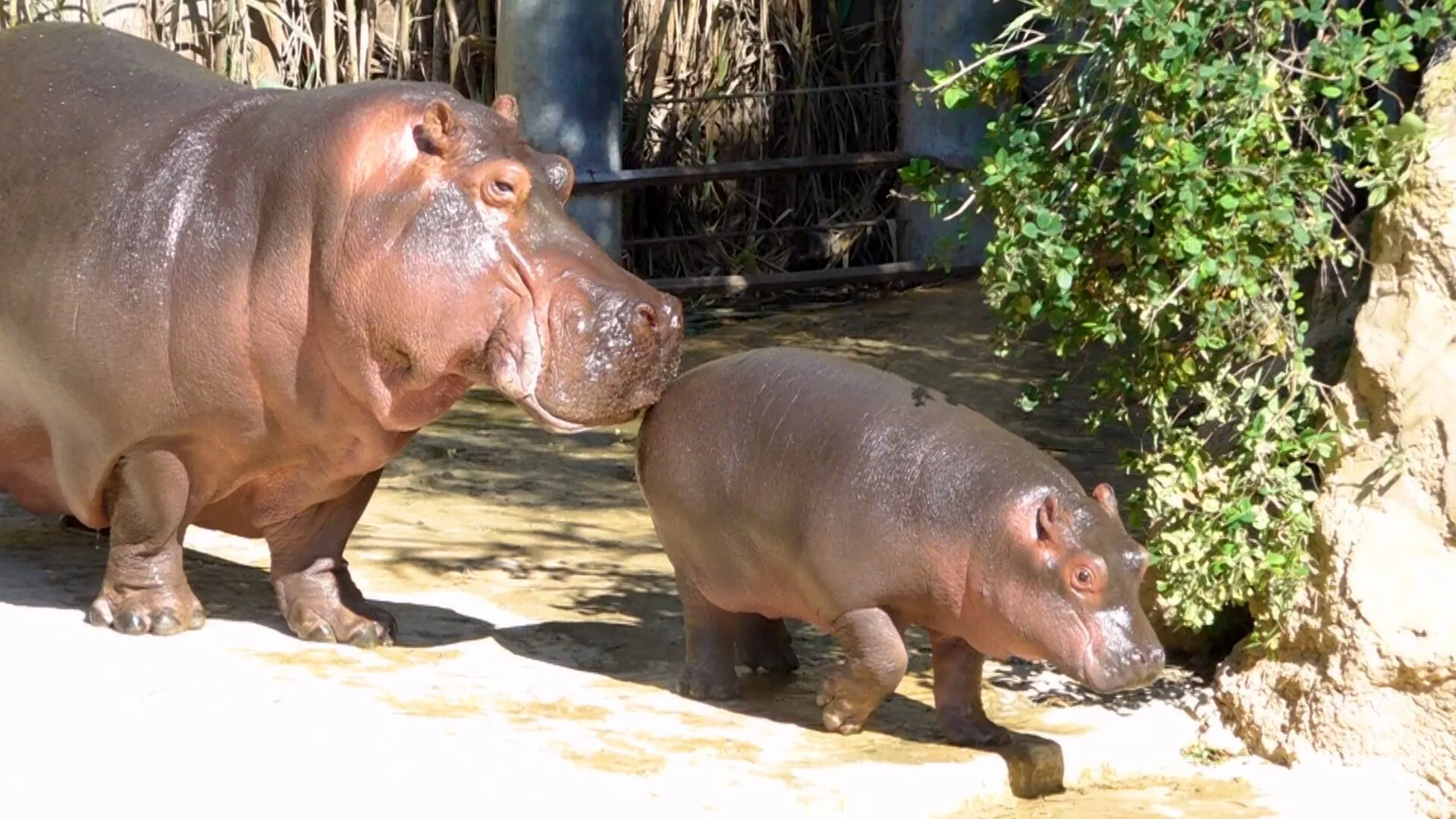

The Arrival of a Baby Hippopotamus at Rabat Zoo
On March 21, 2026, the Rabat Zoo celebrated the arrival of a newborn hippopotamus, marking a significant milestone in the institution's efforts to conserve this vulnerable species. This little hippo is the fifth of its kind to be born at the zoo, which stands as one of Morocco's foremost wildlife conservation centers. The event was enthusiastically acknowledged by the zoo's staff, including management, veterinarians, and animal care technicians, all of whom play vital roles in the zoo's breeding and conservation initiatives.
Details of the Birth and Its Importance
The hippopotamus exhibit at the zoo is designed to replicate the animals' natural aquatic environment, which is crucial for their reproductive behavior. The mating and birthing processes occurred in water, aligning with the species' instinctual habits, particularly during the rainy season. Remarkably, the newborn, weighing approximately 50 kilograms at birth, exhibits an extraordinary ability to nurse underwater, a behavior that serves to protect the calf during its early days. Oualid, a technician at the zoo who monitored the pregnancy, noted that the mother will typically nurse her young underwater for about twelve months before weaning begins. This nurturing behavior is essential for the calf's survival in the wild.
The hippopotamus, an iconic semi-aquatic herbivore native to sub-Saharan Africa, is known for its massive size and potentially aggressive nature. Adult hippos can weigh up to three tons and spend much of their day submerged in water, which helps regulate their body temperature. They are nocturnal grazers, feeding primarily on vegetation at night.
The Rabat Zoo spans an impressive 27 hectares and is dedicated to preserving and promoting biodiversity. It houses nearly 2,000 animals representing approximately 190 species from African, Saharan, and Moroccan ecosystems. The zoo is designed with an immersive approach, utilizing open enclosures that simulate natural habitats, a significant improvement over traditional cages. This evolution in design not only enhances the welfare of the animals but also enriches the educational experience for visitors.
As reported by fr.le360.ma.