Nigeria-Morocco Gas Pipeline Set for $25 Billion Agreement
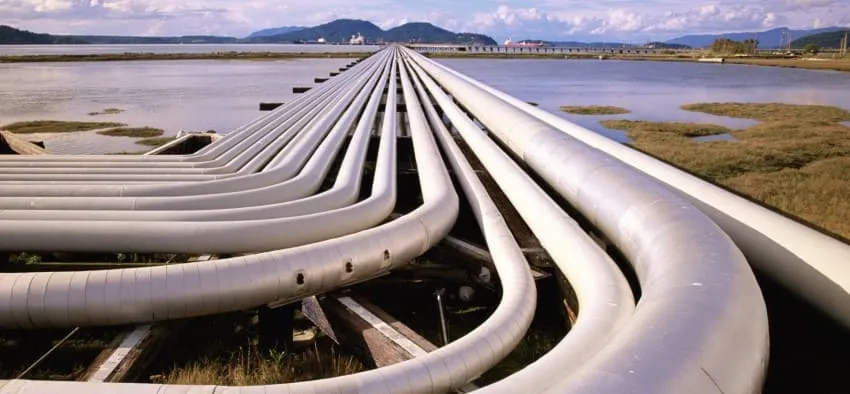
The highly anticipated intergovernmental agreement (IGA) concerning the Nigeria-Morocco gas pipeline project, valued at an impressive $25 billion, is slated to be signed within this year, according to Amina Benkhadra, the Director General of Morocco's National Office of Hydrocarbons and Mines (ONHYM). This ambitious initiative, dubbed the African Atlantic Pipeline, has been in the works for over a decade and is designed to stretch approximately 6,900 kilometers through a hybrid offshore-onshore route. The pipeline will have a maximum capacity of 30 billion cubic meters (m3), with 15 billion m3 earmarked for Morocco's domestic use and the remainder intended to support exports to Europe.
Supported by the Economic Community of West African States (ECOWAS), the project has successfully concluded feasibility studies and detailed technical design phases (FEED). Following the signing of the intergovernmental agreement, a dedicated authority will be established in Nigeria to oversee the pipeline’s operations, comprising ministerial representatives from each of the 13 participating countries to ensure effective political and regulatory coordination.
Furthermore, a project company will be set up in Morocco, formed as a joint venture between ONHYM and the Nigerian National Petroleum Company (NNPC), tasked with managing execution, financing, and construction phases. The pipeline is expected to significantly enhance economic integration across West Africa by bolstering electricity production and facilitating industrial and mining development, while positioning Morocco as a critical energy bridge between Africa and Europe.
Initial segments of the pipeline will connect Morocco to gas fields in Mauritania and Senegal, further extending to link Ghana with Côte d'Ivoire, before concluding with a final stretch that connects Ghana to Nigeria's gas fields. The first gas flows from the initial phases are anticipated by 2031. Benkhadra emphasized that the project does not rely on a single final investment decision, but rather is structured to allow each segment to be developed as an autonomous system, thus enabling early value creation.
While no definitive financing commitments have been secured as of yet, the project company will spearhead the financing structure, which will blend equity and debt to fund the initiative. Benkhadra concluded by noting the project's significant appeal due to its scale, phased structure, and strategic positioning.
As reported by boursenews.ma.