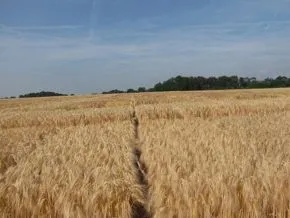

Nigerian Breweries Plc has embarked on an ambitious initiative to cultivate barley domestically, marking a significant step in the country's agricultural and brewing industries. This pilot program aims to scale up barley production by 2030, thereby reducing Nigeria's reliance on imported malting barley. Historically, Nigeria has not engaged in the cultivation of this vital grain, which is essential not only for brewing but also for various other applications. The limited production of barley across Africa has led to a growing interest in enhancing local cultivation to meet both domestic and international demands. According to the Food and Agriculture Organization's (FAO) Food Outlook report released in November 2025, barley remains a crucial crop that extends its uses beyond the brewing sector.
Ethiopia stands as Africa's leading barley producer, with an impressive average harvest of 2.2 million metric tons annually from 2021 to 2023. The country has managed to achieve self-sufficiency in barley production, making it unique in this aspect among its peers. Not only is barley a staple in Ethiopian cuisine, consumed in various forms such as porridge, injera, and traditional beverages like tella, but it also plays a significant role in animal husbandry and malt production for the brewing industry. The cultivation of barley in Ethiopia has expanded from the southeastern highlands to other regions, spurred by investments from international brewing and malting companies that have facilitated access to quality seeds, extension services, and stable market conditions. As reported by the U.S. Department of Agriculture, approximately 45% of Ethiopia's barley demand is driven by the malting and brewing industry, with the crop occupying nearly 1 million hectares of farmland.
Morocco follows as the highest-ranked North African barley producer, averaging 1.6 million metric tons per year during the same period. This production covers approximately 80% of local demand, with imports compensating for the shortfall. Barley in Morocco serves primarily as livestock fodder but is also used by humans as a substitute for wheat. The USDA estimates that barley cultivation spans nearly 1 million hectares in Morocco.
Algeria ranks third in barley production, with an average output of 800,000 metric tons yearly. Unfortunately, domestic production meets only 42% of local demand, prompting the country to import the majority of its barley. Similar to Morocco, barley in Algeria is primarily used for animal feed, with small quantities utilized for bread and couscous. The U.S. Department of Agriculture also reports that Algeria devotes around 1 million hectares to barley cultivation.
Tunisia's barley production averages 347,000 metric tons annually, accounting for only 25% of its consumption needs, making it highly reliant on imports. In Tunisia, barley is predominantly raised for livestock feed, covering about 300,000 hectares, according to the USDA.
Lastly, South Africa, the second sub-Saharan country on the list, produced an average of 337,600 metric tons of barley per year between 2021 and 2023. Grown mainly in the winter months, barley cultivation in South Africa is concentrated in specific regions such as the Northern Cape and Western Cape, with an estimation of nearly 100,000 hectares dedicated to this crop. Barley serves both as malt for the brewing sector and as fodder for livestock, primarily cattle.
As reported by ecofinagency.com.