Continued Controversy Over Western Sahara References in 'The Odyssey'
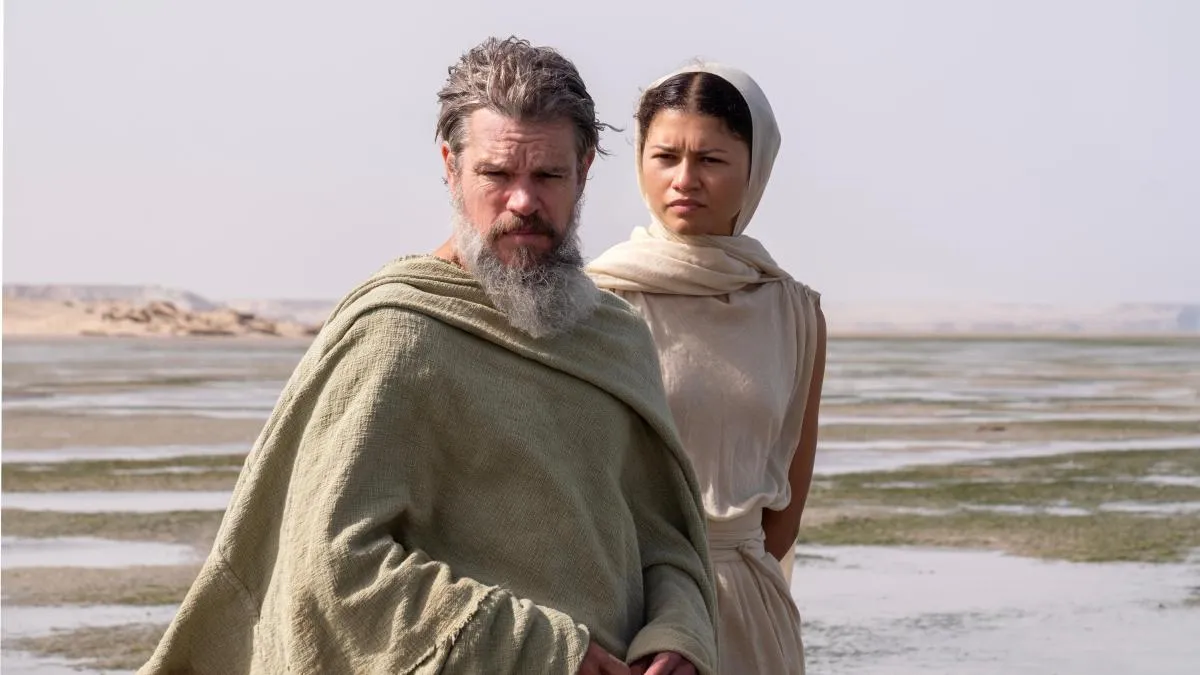
The recent release of Christopher Nolan's film The Odyssey has reignited discussions and controversies surrounding its production, particularly concerning the filming location in Dajla, a region in Western Sahara that is currently administered by Morocco. On July 21, 2026, the Madrid-based collective No Te Olvides del Sáhara Occidental urged a boycott of the film due to its minimal acknowledgment of the fact that part of the movie was shot in this contested area. This call to action came shortly after the International Film Festival of Western Sahara (FiSahara) also encouraged audiences to avoid viewing Nolan's latest work, condemning the director for filming in what they describe as "Morocco-occupied Western Sahara" without recognizing the rights of the Sahrawi people, who they argue are the legitimate owners of the territory.
FiSahara's statement highlighted the historical context of Dajla, emphasizing that for over fifty years, the Sahrawi population has faced numerous human rights violations, including torture, arbitrary detentions, land theft, forced expulsions, and ethnic cleansing perpetrated by Moroccan authorities. They argue that the collaboration with Nolan serves to normalize Morocco's illegal occupation, transforming the territory into a showcase that overlooks the reality of its inhabitants' struggles.
Western Sahara has been classified as a Non-Self-Governing Territory by the United Nations since 1963, indicating that its decolonization process remains incomplete. Although Morocco exercises control over the area, the international community recognizes the ongoing disputes surrounding it.
This backlash is a continuation of grievances raised during the film's production last year when Nolan was photographed alongside Morocco's Minister of Culture. This sparked calls from FiSahara for both the director and the production companies, Universal Pictures and Syncopy, to secure the consent of the Sahrawi people for filming. The movement garnered support from notable figures such as Javier Bardem, Pedro Almodóvar, Greta Thunberg, and Rodrigo Sorogoyen; however, it did not achieve the intended political impact.
As reported by lavanguardia.com.