Rabat Declared World Book Capital 2026: A Cultural Triumph
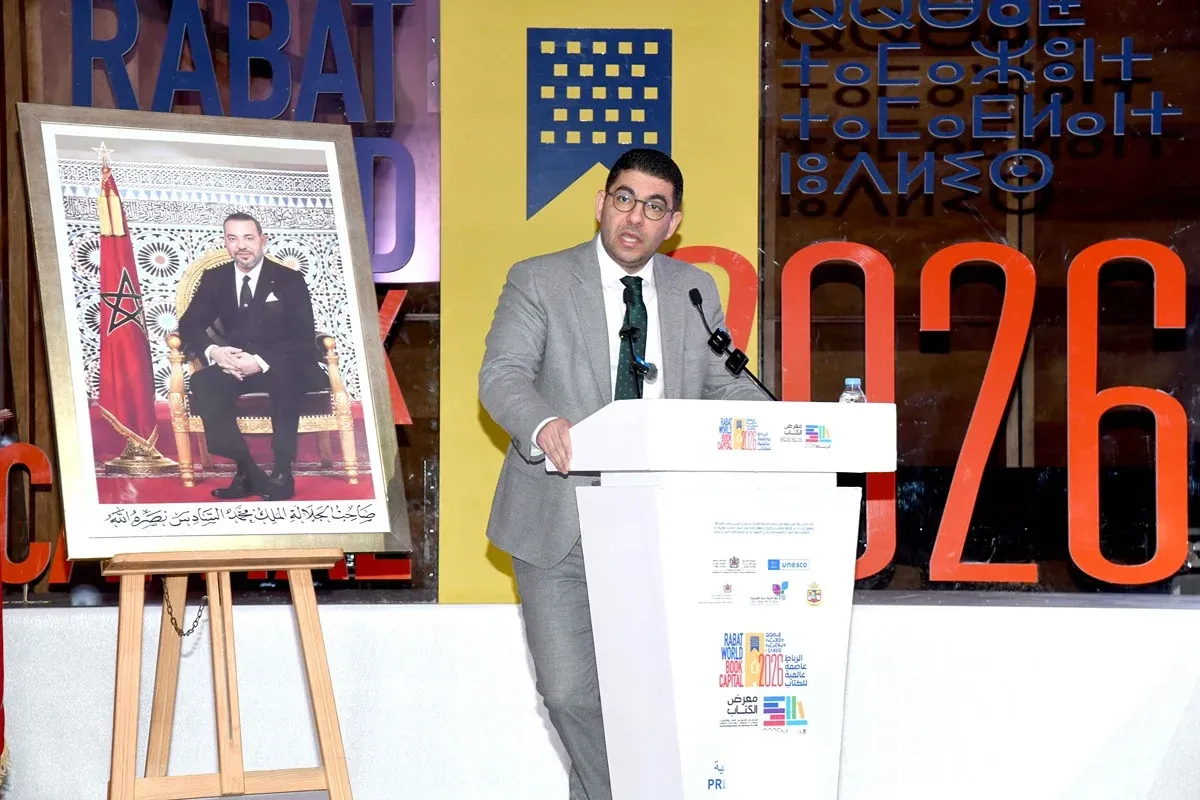
On April 14, 2026, Morocco's Minister of Youth, Culture, and Communication, Mohamed Mehdi Bensaid, announced that Rabat has been designated as the World Book Capital for 2026, a recognition he described as "a victory of knowledge" and the culmination of a long cultural journey. During a press conference related to the 31st edition of the International Exhibition of Publishing and Book (SIEL), Bensaid emphasized the strategic importance of this designation, stating, "This is not merely a ceremonial celebration; it is a true triumph of knowledge at the heart of our capital."
Bensaid articulated that this international recognition, granted by UNESCO, solidifies Rabat's deeply rooted cultural identity. He remarked, "Rabat is not just an administrative capital; it is a space of thought and a breeding ground for creators," highlighting the city’s pride in its historical narrative. The Minister underscored how Rabat has always served as a crossroads between Africa and Europe, enriched by Andalusian influences and a lasting tradition of openness that continues to nourish its intellectual vitality.
Dismantling Barriers to Reading: A Vision for Accessibility
Central to this vision is a goal to democratize access to reading. Bensaid asserted, "We want reading to go beyond closed spaces and to permeate the streets, gardens, cafes, and public squares," advocating for a transformation in everyday cultural practices. Through the 31st edition of SIEL, the authorities aim to make books more accessible to both Moroccan citizens and foreign visitors, fostering a living and engaging reading culture. In this context, Bensaid paid tribute to the unsung cultural heroes, referring to second-hand book sellers who have "turned alleyways into open libraries at a time when access to information was limited," thereby nurturing generations of readers.
Beyond the national scope, the Minister spoke of a genuine "cultural diplomacy," positioning the Book Fair as a platform for international exchange. He stated, "The book becomes a vector for universal dialogue and a means to promote Moroccan values of openness and moderation." This year's event, held under the patronage of King Mohammed VI, will bring together representatives from 61 countries and nearly 900 exhibitors, underscoring the growing international significance of the fair. Another key point in Bensaid's address was the economic dimension of culture. He highlighted that "the book is no longer just a tool for knowledge; it also becomes a lever for wealth creation and job opportunities," emphasizing the potential of cultural industries, ranging from publishing to digitization.
There is a clear ambition to transform culture into a productive sector capable of generating opportunities for Moroccan youth while enhancing the country's attractiveness. For Bensaid, the current momentum aligns with a broader vision aimed at establishing Rabat as a cultural reference point, equipped with modern infrastructures such as theaters, museums, and libraries. He described the capital as "an open construction site of creativity," reflecting a transformative cultural policy. "The future is being written today," he concluded, urging media outlets to support this transformation and to promote the image of a Morocco where culture becomes a cornerstone of development.
As reported by fr.hespress.com.