
Rabat: A Cultural Gem Stepping into the Spotlight
As of March 11, 2026, Rabat, the illustrious capital of Morocco, is increasingly captivating the attention of international travelers, thanks to the introduction of new air routes that enhance accessibility. This city, steeped in a rich millennial heritage, seamlessly blends the elegance of Andalusian tradition with modern architectural marvels, establishing itself as a tranquil alternative to the traditional imperial destinations like Marrakech and Fes. Nestled along the Atlantic coast, Rabat is gradually stepping out from the shadows cast by its more famous counterparts, asserting its status as a premier travel destination. The recent launch of a direct flight by British Airways from London Gatwick facilitates easier access to this vibrant capital, where the echoes of ancient history harmonize with contemporary dynamism, creating an immersive experience between ancient ruins and a lively medina.
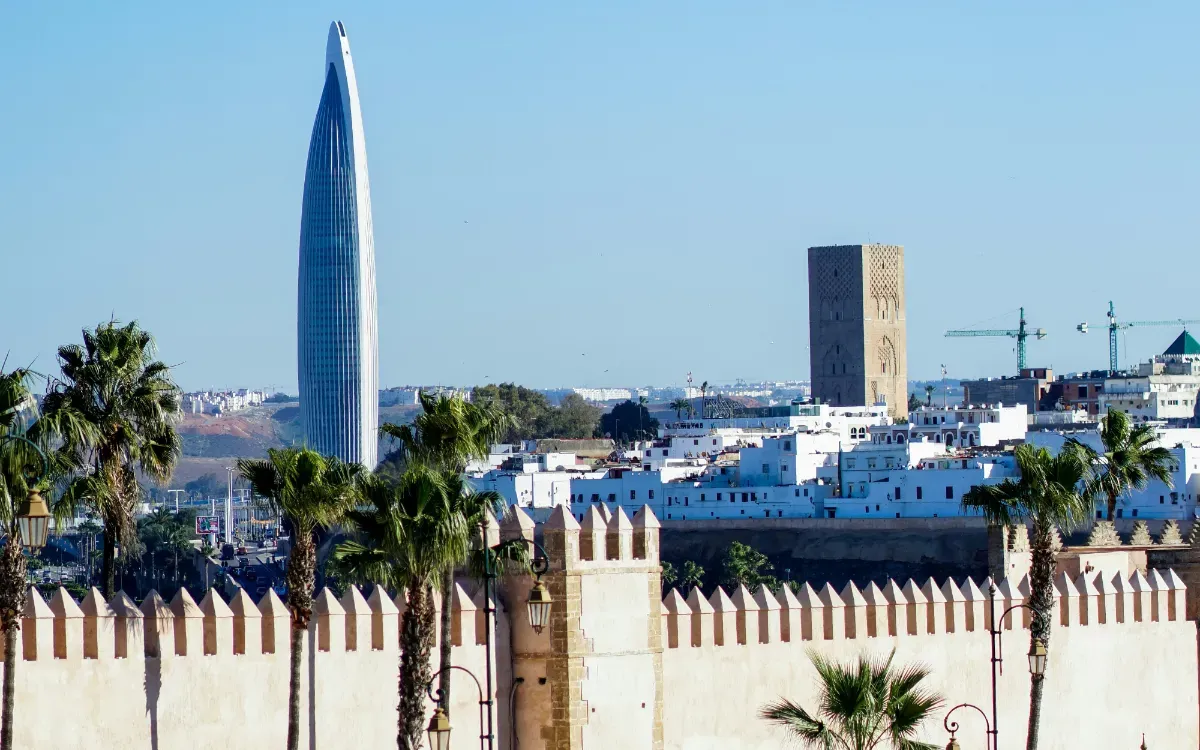
Recognized as a UNESCO World Heritage site, Rabat's 17th-century medina showcases the legacy of the Andalusian Moors, characterized by its terracotta walls and bustling artisan souks. At a higher vantage point, the Kasbah of the Oudayas, a fortress dating back to the Berber era, unveils a maze of whitewashed alleys adorned in cobalt blue, where visitors can savor mint tea while gazing at the vastness of the ocean. The urban landscape is prominently marked by the incomplete 12th-century Hassan Tower, surrounded by stone columns, a remnant of a monumental mosque project that was never realized. Today, this historic site converses with the futuristic design of the Grand Theatre of Rabat, created by the renowned architect Zaha Hadid, which stands as Africa's largest performing arts complex, its curvaceous form reminiscent of the Sydney Opera House.
Tourism in Rabat: A Fusion of Heritage and Modernity
The juxtaposition of antiquity and modernity continues in the 'Ville Nouvelle', a legacy of French colonialism, featuring wide tree-lined boulevards and chic boutiques. This airy district is also home to the Mohammed VI Museum of Modern Art, a pristine white space dedicated to both national and international contemporary art, illustrating the capital's ongoing reinvention, as noted by The Daily Mail. To the south lies the Chellah site, encompassing Roman and Merinid remnants within a sacred necropolis, celebrated as one of the country's most stunning collections of ruins. Rabat is also distinguished as one of Morocco's greenest regions, boasting the Ibn Sina forest and golden beaches ideal for surfing or horseback riding.
Renowned for its cleanliness and safety, Rabat is particularly enchanting during the spring months when temperatures range between 21°C and 24°C. Local experiences, such as traditional cooking classes and shopping for decorative items in the hidden alleys of the medina, turn the city into a favored stop for those seeking authentic exploration. As reported by bladi.net.