
Rabat's Commitment to African Cultural Unity
The establishment of the African Capitals of Culture (CAC) headquarters in Rabat is a testament to Morocco's unwavering commitment to fostering African cooperation and cultural dialogue. This initiative reflects the Kingdom's proactive efforts, under the leadership of His Majesty the King, to promote a united, creative, and globally engaged Africa. It embodies the collective resolve of African nations, cities, and institutions to harness culture as a pivotal driver for the continent's development.
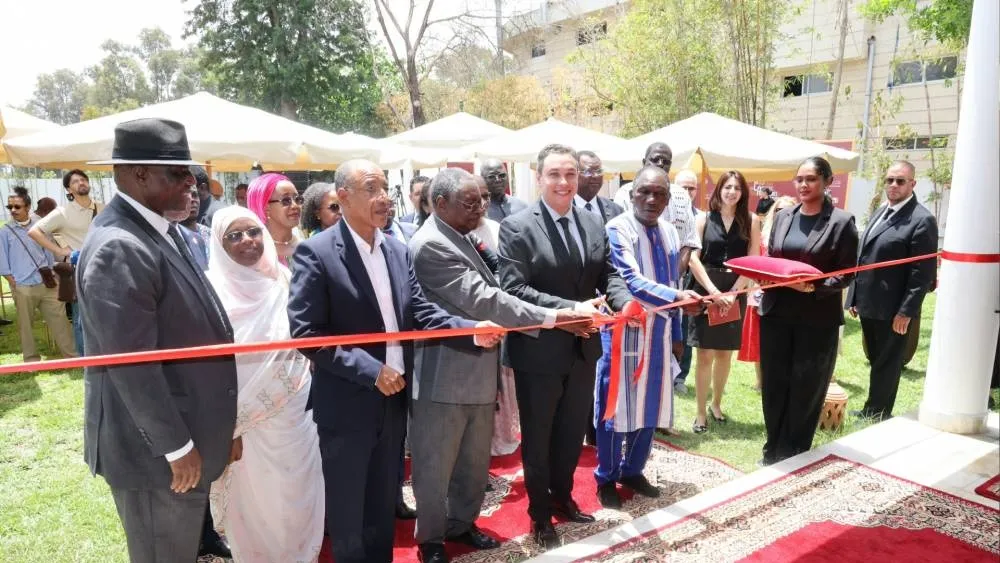
The inauguration ceremony was attended by notable figures, including Adama Traoré, the President of the CAC Committee, and Salah-Eddine Abkari, the interim Secretary-General of the Culture Department within the Ministry of Youth, Culture, and Communication. They were joined by a host of ambassadors from various African nations accredited to Morocco. In a speech read on his behalf, Minister Mohamed Mehdi Bensaid highlighted Africa's exceptional richness, emphasizing its status as a continent characterized by cultural diversity and linguistic plurality.
Embracing Africa's Cultural Potential
By hosting the CAC headquarters, Rabat is committing to a grand continental ambition aimed at establishing culture as the foundation for sustainable, inclusive, and pluralistic African development models. Minister Bensaid remarked that, under the enlightened leadership of His Majesty the King, Morocco is positioning itself within its African context, strengthening its cultural and historical roots, and placing culture and human capital at the heart of progress. He noted that while African cultural policies strive to create an integrated continental space, there remains a challenge as many cultural industries rely on imported models, highlighting a significant drain of creativity from the continent.
Bensaid pointed out that Africa has tremendous potential in the cultural and creative industries (CCI), driven by a well-educated and connected youth. He asserted that the program of the CAC aims to catalyze this future growth and foster a trans-African exchange space equipped to provide countries with the necessary cultural, media, and digital sovereignty tools to address contemporary challenges.
Mr. Traoré emphasized that this inauguration marks the beginning of a pan-African journey initiated in Marrakech during the Africities Summit in 2018. He expressed the belief that Africa can only fully forge its future by relying on its culture, creativity, youth, heritage, and the richness of its imaginations. He articulated that African culture is not merely an “extra soul” but a catalyst for transformation, innovation, social cohesion, and economic development. The new headquarters in Rabat transcends the concept of just a building; it is envisioned as a “Common House,” a space for dialogue, reflection, and cooperation where African cities can share experiences and design sustainable projects.
Looking ahead, Mr. Traoré mentioned the continental deployment following the founding edition in Rabat in 2022, with a significant next step planned for 2028 in Cabo Verde, where Praia will serve as the host city. This event will open up new cultural landscapes in Africa, enriched by its islands and diverse circulations. The CAC headquarters will facilitate meetings for program bodies, support future host cities, and enhance networking among cultural stakeholders, local authorities, artists, researchers, and African cultural operators.
The African Capitals of Culture initiative aims to promote culture as a pillar of sustainable development, bolster cultural and creative industries, support artist mobility, and enhance the value of both tangible and intangible heritage across the continent. This program contributes to the implementation of the African Union's Agenda 2063 and plays a crucial role in building a dynamic, innovative, and united African cultural space.
As reported by lopinion.ma.