
Fez's Timeless Ramadan Traditions Amidst Social Changes
The city of Fez, with its rich historical tapestry, has witnessed profound social, economic, and demographic transformations over the years. Historically, it transitioned from being home to a traditional elite of commercial and scholarly origins—rooted in Andalusia and Kairouan—to becoming a pivotal political and economic entity during Morocco's protectorate and independence eras. Despite these modern influences, the people of Fez have managed to retain a conservative identity and a unique cultural heritage. Ramadan, in particular, is a time when the citizens of Fez uphold numerous rituals and traditions passed down from their ancestors, especially during sacred occasions.
The Enchantment of Ramadan Nights in Fez
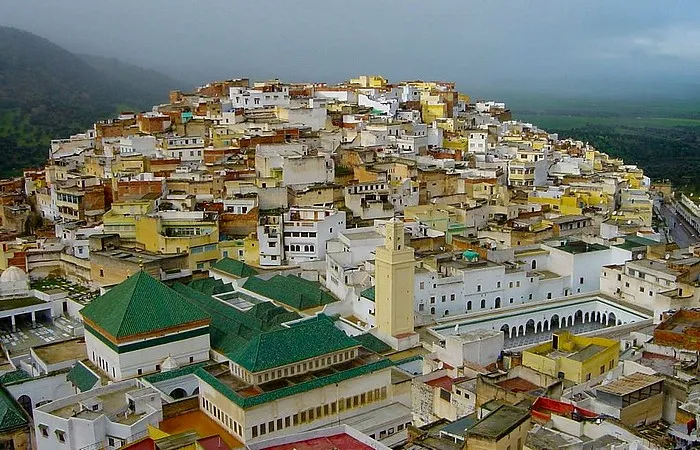
When discussing Ramadan in Fez, locals often encapsulate the experience in the atmosphere of its enchanting nights, especially in the ancient medina. After breaking their fast, the streets of the old city transform into a vibrant hub for Fez residents, attracting visitors from the newer districts and surrounding areas. It is during these nights that the city becomes a favorite destination, filled with spiritual energy as devotees engage in prayers and supplications. The contrast is stark on the other side of the city, where cafes and hotels in the new districts host festive musical evenings. However, this year's unusually chilly nights deterred many families from gathering in the green spaces of Hassan II and Moulay Abdullah Streets, which are typically bustling with families and children seeking public areas to enjoy the night.
Many enthusiasts of Fez deliberately choose to visit during Ramadan to experience the city's magical ambiance. They stroll through the narrow alleys, passing by its iconic shops, markets, and historical landmarks, which are adorned with vibrant colors to celebrate the holy month. Visitors delight in sipping traditional Andalusian mint tea or sampling the diverse culinary delights of Fez from small, intimate shops that remain open from iftar until suhoor, all while the air is fragrant with the scent of musk and aromatic herbs.
In the ancient quarters of Fez, the memories of Ramadan nights resonate within the families, who fondly recall the enchantment of past celebrations. Many women continue to observe traditional Ramadan customs, reminiscing about how their predecessors welcomed the holy month. One elderly woman, Hajjah Batoul, now in her sixties, laments that many of Ramadan's unique characteristics have faded in various regions of Morocco. Yet she insists that residents of the old medina, especially those living within the ancient walls of Fes el-Bali, continue to celebrate Ramadan nights in the same manner as their ancestors. She recounts how women of all ages gather on rooftops, sharing intimate moments filled with stories and conversations while waiting for the sound of the horn announcing the time for suhoor, reminiscent of the old days when they awaited the call of the watchman.
The breaking of the fast is a significant event during Ramadan for the people of Fez, characterized by a beautiful array of traditional dishes. Families gather around the table, and neighbors eagerly await the sound of cannon fire signaling iftar time. It is a moment of unity as families share their meals, marking the beginning of the long Ramadan nights filled with communal prayers and socializing in mosques and public squares.
As highlighted by the Encyclopedia of Idrisian Heritage, the focus of Fez women on Ramadan tables has persisted through time, albeit in a diminished form. The month of fasting brings forth the "L'araada of Ramadan," a revered tradition among families within the ancient city, which precedes the arrival of Ramadan itself. This gathering serves as a farewell feast to the days of unrestricted eating and drinking, preparing families for the fasting month ahead. It is common for families to ensure that their first iftar takes place in the "dar al-kabira" within the old medina, bringing together relatives who may have moved out after marriage, while also providing an opportunity for reconciliation among family members.
Historically and currently, Fez women find Ramadan to be an opportunity to showcase their culinary talents, preparing a variety of dishes that reflect both the quality and diversity based on their family's social standing and resources. Traditional sweets such as "lkhliâa," "akrich," "slo," and "shabakia," alongside hearty dishes like "harira" prepared in the Fez style, adorn their tables. The women of Fez take pride in presenting iftar meals aesthetically, transforming them into a vibrant mosaic reminiscent of a work of art, showcasing the intricate details and skills of Fez's renowned women chefs.
As reported by almayadeennews.ma.