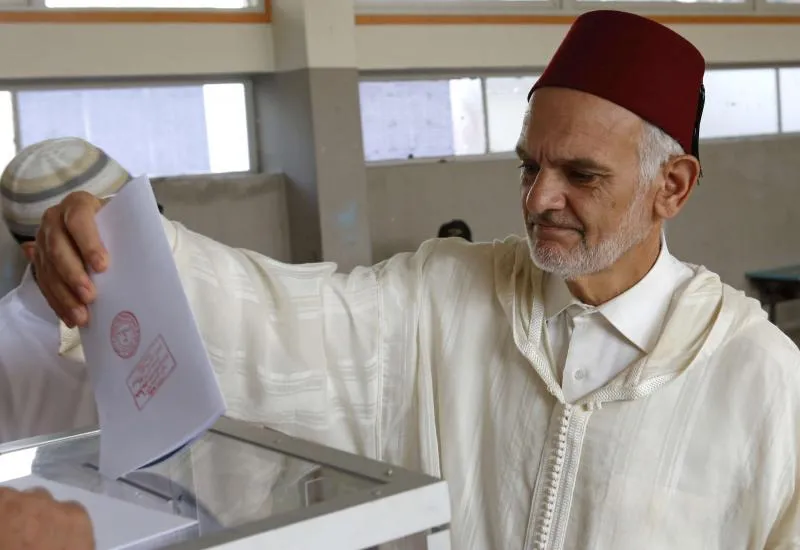

In recent discussions within Morocco's political and legal spheres, there is a burgeoning consensus that reforming the electoral system is crucial for restoring trust in the nation’s political framework. However, experts contend that such reforms should not merely focus on technical amendments to electoral laws; instead, they must encompass a more holistic social and cultural strategy aimed at fortifying political parties and reestablishing citizens' faith in public affairs. This multifaceted approach is essential for the revitalization of the democratic process in Morocco.
The urgency of this conversation was underscored during a seminar titled "Electoral System Reform as a Gateway to Rebuilding Trust in the Political Scene," held on a recent Sunday evening. The event, convened at the Higher Institute of IT, Commerce and Management in Berrechid, attracted academics from six Moroccan universities and was organized by the Parallel Council for Women’s Affairs Association. Participants at the seminar unanimously emphasized the importance of political participation, particularly among women and youth, as a cornerstone for any effective democratic reform. They articulated a pressing need to enhance internal democracy within political parties, asserting that genuine credibility originates from party structures that can effectively represent and mobilize citizens.
During the seminar, academic Sakina Benkirane articulated the necessity for a more robust and significant representation of women within Morocco's electoral processes. She posited that women's roles must extend beyond merely acting as voters; they need to be active participants as candidates and influential decision-makers. Benkirane cautioned that any efforts to include women in politics must transcend tokenism, as failing to engage over half the population effectively undermines the very essence of democracy. She framed voter registration and participation by women as not only a constitutional right but also a fundamental measure of representative justice. For her, inclusive political participation is vital for reflecting Morocco’s diverse social fabric and addressing systemic imbalances in political representation.
Moreover, Benkirane warned that one of the most pressing threats to Moroccan politics is not merely voter apathy but a growing public sentiment that perceives politics as inherently corrupt or inaccessible. She acknowledged that such views often stem from negative past experiences but insisted that they cannot justify a retreat from civic engagement. “Leaving the field empty only reproduces the same imbalances,” she stated, advocating for a paradigm shift from rejection to understanding, accountability, and active participation. She encouraged young people to interrogate political processes, comprehend their workings, and engage in them meaningfully, rather than perpetuating negative narratives that foster stagnation.
Another prominent speaker, constitutional and political science expert Mustapha Kassimi, emphasized that the issues of electoral disengagement and diminishing trust in political parties cannot be divorced from the underlying design of the electoral system. He diagnosed the crisis as one rooted in structural flaws pertaining to the production of political elites, the organization of representation, and the effectiveness of parties in engaging the public. Kassimi argued that a critical first step toward reform involves re-evaluating Morocco’s existing voting framework. He asserted that relying on a singular electoral model—be it majoritarian or proportional—is inadequate for addressing the complexities inherent in the political landscape.
To this end, Kassimi advocated for the implementation of a mixed electoral system that integrates proportional representation with aspects of majority voting. Such a model, he argued, would foster a better balance in representation, optimize governance efficiency, and bolster citizens' perceptions that their votes hold genuine significance. Ultimately, the seminar epitomized a growing agreement among Moroccan scholars that electoral reform needs to transcend mere procedural changes. It must confront deeper concerns surrounding political trust, party credibility, and citizen engagement to effectuate a meaningful and lasting impact on the country’s democratic evolution.
As reported by thearabweekly.com.