
The Loss of a Theatrical Pioneer
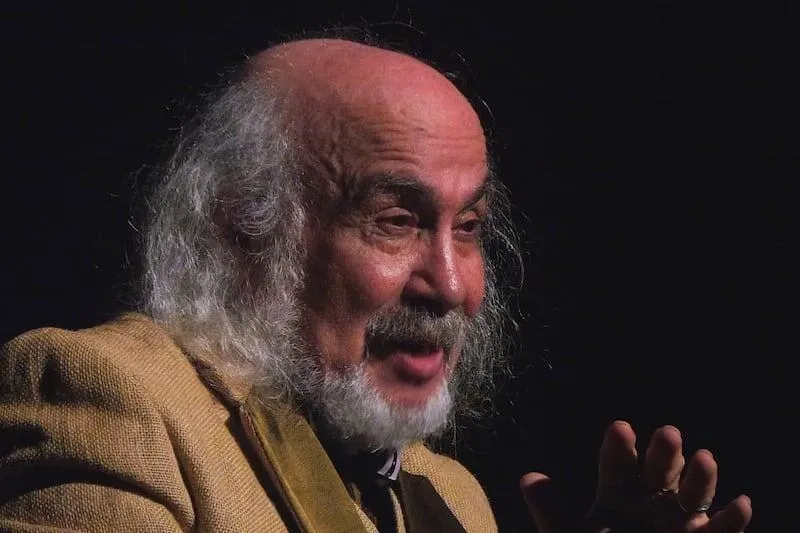
On a somber Thursday, May 7, 2026, the esteemed Moroccan director and playwright Nabil Lahlou passed away in Rabat at dawn, leaving a profound void in the artistic landscape of Morocco. At the age of 81, Lahlou succumbed to a long illness, marking the end of an era for the Moroccan theatre community. His death is not just a personal loss but a significant cultural one, as he was a pivotal figure who championed intellectual theatre, standing firmly against mainstream entertainment.
Nabil Lahlou was known for his uncompromising nature and his commitment to theatre as a medium for deep exploration. He rejected the superficiality of what he termed 'consumer theatre,' which had long dominated the stage. Instead, he envisioned theatre as a laboratory for investigating the human soul, aiming to dissect the intricate contradictions of society. His artistic mission fostered a robust intellectual connection between the audience and reality, transforming every performance into a thought-provoking political and social dialogue.
A Lasting Legacy and Impact
His final play, "Macha Machmacha Wants a Role in the Trial of Socrates," premiered in March 2026 at the Mohammed V National Theatre in Rabat. This work ignited passionate discussions among critics and audiences alike, signaling a renaissance for Moroccan theatre. It offered an intellectual depth that has often been lacking in contemporary productions overshadowed by television and commercial cinema. This piece stands testament to his relentless pursuit of art rooted in thought and reflection.
Nabil Lahlou's departure creates a considerable gap in the cultural fabric, as he took the essence and demands of Moroccan theatre beyond national borders, showcasing its identity on international stages. His creations, rich in engaged aesthetics, continue to bridge the gap between artists and critics, serving as invaluable tools for understanding the political deadlocks and social fractures of our time. He was not merely a director; he created worlds where dialogue became an act of resistance, ensuring that his memory would live on through every curtain that rises on a demanding and conscious theatre, focused on the human condition.
As reported by fr.le360.ma.