
Challenges in the Spanish Automotive Industry
Just hours ago, the Spanish automotive industry found itself on the brink of a dire scenario, as negotiations between Renault and major unions for a new collective agreement spanning the next three years came to an abrupt halt. After a series of ten meetings, representatives from the French automotive giant walked away from the table due to a lack of consensus with the dominant labor unions. This decision effectively shelved Renault's fifth Industrial Plan for Spain, a strategy that was designed to secure the future of both the company and its workforce in the region for the remainder of the decade.
The fallout from the breakdown in negotiations is currently unpredictable, particularly since the plan included the production of five to six new models and the complete electrification of the company's plants in Valladolid and Palencia, focusing on manufacturing either electric or hybrid vehicles. The proposal aimed to produce over 180,000 vehicles at the Palencia facility, with plans for up to three new electric models that were anticipated to be bestsellers. The Palencia plant currently employs 2,200 direct workers and approximately 10,000 indirect jobs.
Implications for Employment and Production
Meanwhile, the Valladolid plant was expected to expand with the renewal of models such as the Captur and Symbioz, potentially including a hybrid with extended autonomy. This facility aimed to reach production levels of 160,000 units and currently has a workforce of 6,000 direct employees and around 20,000 indirect jobs. Should the Industrial Plan be canceled, both plants could face a crisis reminiscent of the Ford factory in Almussafes, which has lost all its models except for the Kuga, resulting in an annual production of approximately 90,000 vehicles out of a possible capacity of nearly 500,000. Such a situation has already led to employees being placed on temporary layoffs (ERTE) and employment regulation files (ERE), a costly path for the company, its workers, and the social security system. This precarious situation could even lead to the closure of one of the two plants, especially with the looming threat from Morocco, where Renault has already established successful production operations.
Despite the unions considering strikes and mobilizations, they are now advocating for common sense to prevail, expressing surprise at the company's radical stance. This could prove to be a costly gamble if Renault does not agree to the terms proposed, which were intended to safeguard the future of both factories and, most crucially, the jobs of their employees.
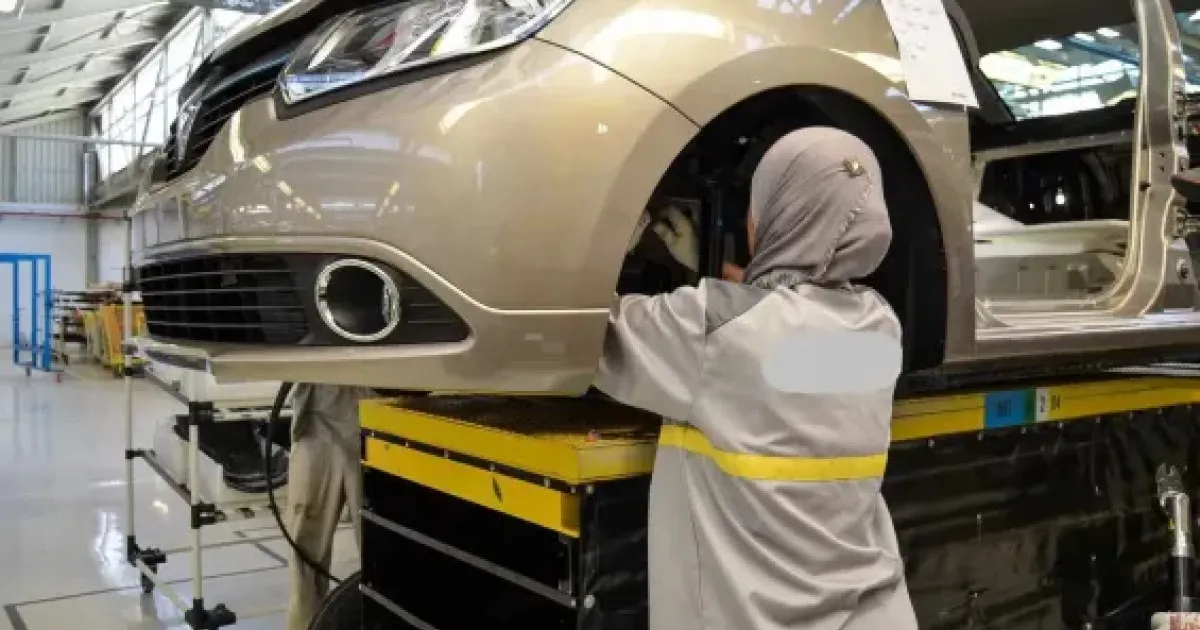
Renault currently operates two plants in Morocco, located in Tangier and Casablanca, producing 340,000 and 120,000 vehicles annually, respectively, including models such as the Dacia Logan, Sandero, and Kardian, as well as commercial vehicles like the Renault Express. Additionally, the company has announced plans for a third facility in Nador dedicated to the production of 100% electric vehicles. To understand the stakes, it is important to note that 90% of the vehicles Renault manufactures in Morocco are exported to Europe. Furthermore, Morocco has recently developed two of the largest ports in the Mediterranean, equipped with extensive logistics zones for automotive transport (Nador Med and Tangier Med), facilitating the movement of vehicles globally.
As reported by eldebate.com.