
Experts Call for a Revamp of Multilateral Humanitarian Systems in Rabat
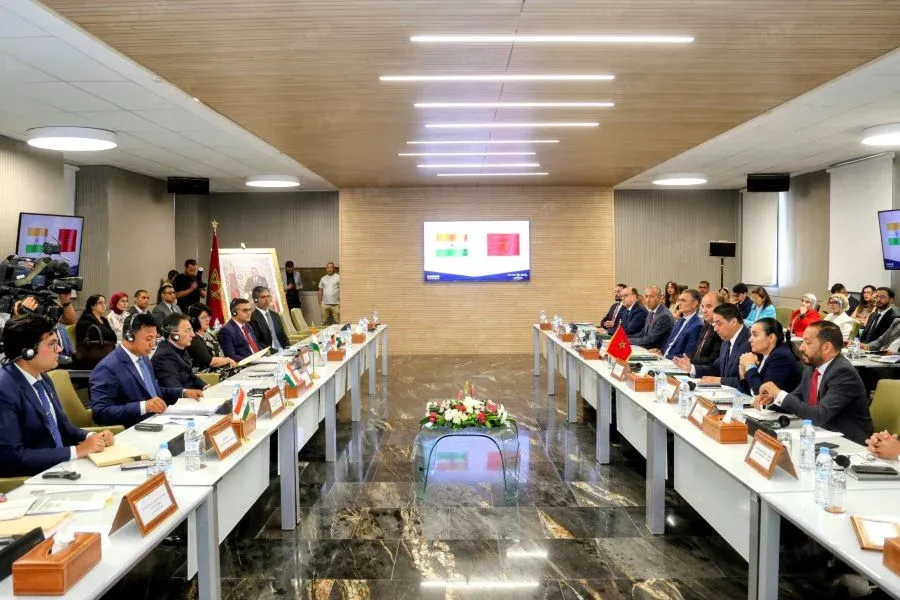
On July 10, 2026, a significant symposium took place in Rabat, organized by the National Commission for International Humanitarian Law (CNDIH), where representatives from various international organizations and diplomats convened to discuss the future of multilateral humanitarian action amidst increasingly complex crises. The pressing question posed during this gathering was whether the existing multilateral humanitarian system is still capable of effectively addressing contemporary challenges.
Notable participants included representatives from the United Nations, the International Committee of the Red Cross (ICRC), the International Federation of Red Cross and Red Crescent Societies (IFRC), the United Nations High Commissioner for Refugees (UNHCR), and the World Health Organization (WHO). The discussions underscored the urgent need for reform in a humanitarian system that is struggling to keep pace with escalating needs and crises.
Farida El Khamlichi, President of the CNDIH, in her statement to the press, emphasized that the goal of the symposium was to explore innovative approaches to enhance the effectiveness of humanitarian efforts, improve coordination among various actors, and strengthen multilateral cooperation mechanisms. She reiterated Morocco's commitment to international humanitarian action, highlighted through its active participation in UN peacekeeping operations and assistance to communities affected by armed conflicts, natural disasters, and humanitarian crises. El Khamlichi noted that Morocco is viewed as a benchmark for implementing international humanitarian law principles and promoting solidarity and civilian protection.
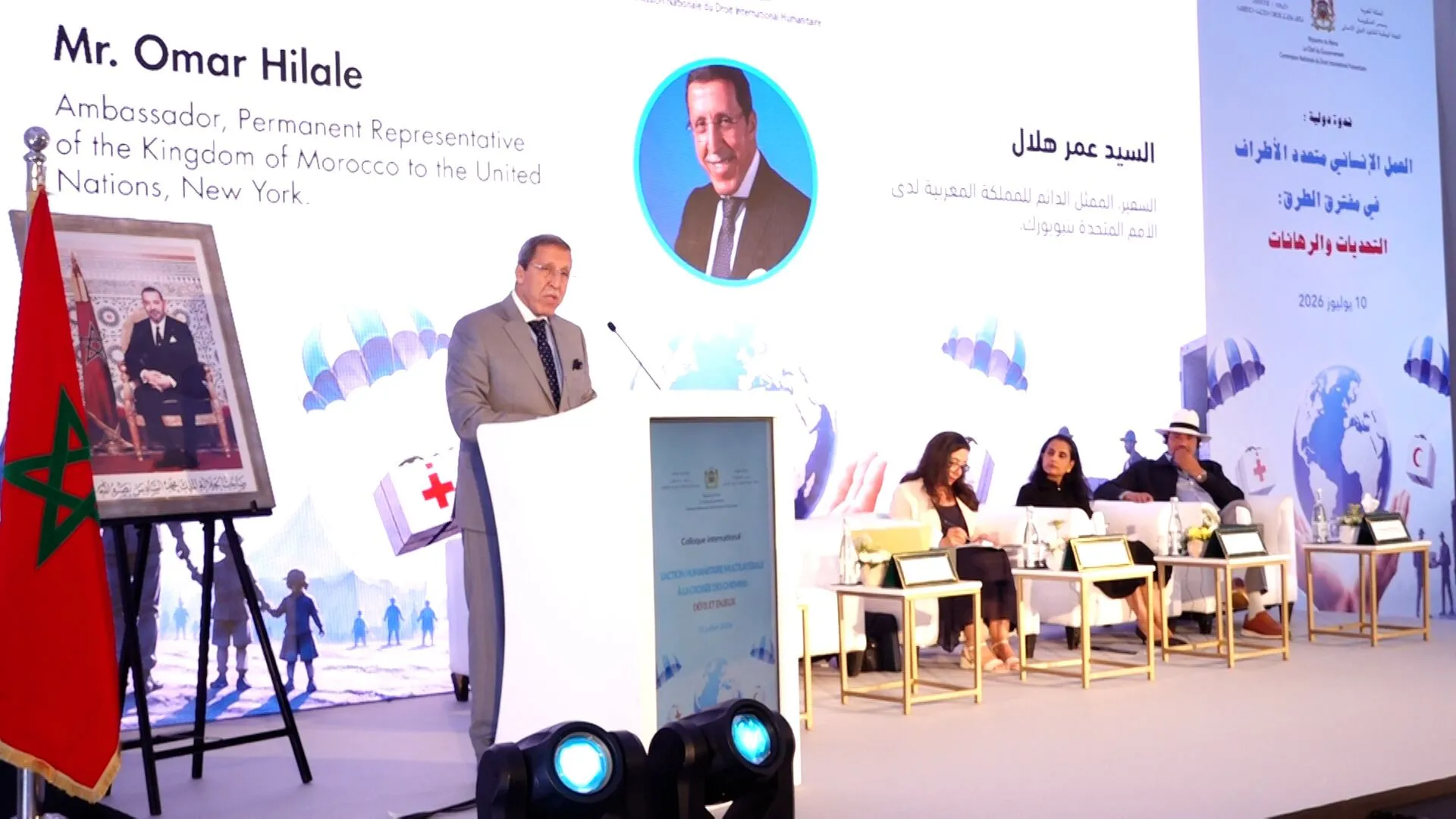
Omar Hilale, Morocco's permanent representative to the United Nations, expressed critical views regarding the current state of the international humanitarian system, describing it as "exhausted" and increasingly targeted by conflict itself. He pointed out that the system, in its present structure, is not equipped to handle modern warfare dynamics. Hilale recalled the tragic toll of armed conflicts, with approximately 35,000 civilian deaths reported in 2025 alone.
Beyond operational challenges, Hilale highlighted the inadequacies of international humanitarian funding, which he deemed insufficient relative to the growing needs. He advocated for a comprehensive overhaul of global humanitarian governance, emphasizing principles such as universality, neutrality, coherence of interventions, and conflict prevention. The symposium also featured discussions about the persistent violations of international humanitarian law in various conflict zones, notably in Gaza, Lebanon, and Syria, with calls for greater protection of civilian populations and adherence to international conventions.
The event included several roundtable discussions focusing on the evolution of the international humanitarian aid system, the roles of international organizations and NGOs, and the perspectives for reforming humanitarian governance to meet the challenges of the 21st century.
As reported by fr.le360.ma.