The Limits of Terrorist Designation in Geopolitical Conflicts
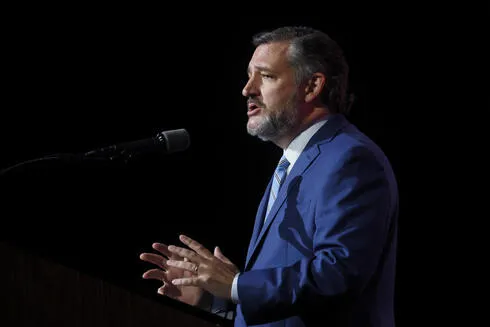
The United States has long relied on the designation of terrorist organizations as a pivotal tool in its foreign policy arsenal, used primarily to freeze assets, deter diplomacy, and articulate disapproval in unmistakable terms. This approach has recently been underscored by the introduction of the Polisario Front Terrorist Designation Act by Senators Ted Cruz, Tom Cotton, and Rick Scott on March 13, 2026. This legislation mandates an investigation into the military ties between the Polisario Front and Iranian-affiliated groups, setting the stage for a potential designation as a Foreign Terrorist Organization. Senator Cruz has characterized the Polisario as an endeavor by Iran to establish a “Houthis of West Africa.” While such a framing may resonate, it is essential to recognize that merely labeling the Polisario as a terrorist organization will not address the underlying complexities of the Western Sahara dispute. The primary obstacle is Algeria, a sovereign state whose influence and support for the Polisario cannot be mitigated through a designation alone.
The historical context reveals a troubling pattern: the United States designated Hamas as a terrorist entity in 1997, only to witness the group govern Gaza and perpetrate horrific violence against Jews decades later. Similarly, Hezbollah, also designated in 1997, has evolved into a dominant military force, undermining the stability of Lebanon and expanding its reach across continents. The Islamic Revolutionary Guard Corps, which has been pivotal in bolstering these groups, was only designated in 2019, illustrating the limitations of such measures when faced with state-sponsored actors. Organizations like the Polisario are not dependent on the international financial networks that designations disrupt; instead, they thrive under the protection and funding of state sponsors, in this case, Algeria.
Algeria's Role and the Need for a Strategic Shift
Polisario is not merely a national liberation movement receiving support from Algeria; it is effectively an extension of Algerian foreign policy, designed to maintain pressure on Morocco and assert Algeria’s dominance in the Maghreb region. For over fifty years, Algerian generals have funded the Tindouf camps, viewing the ongoing conflict as a strategic asset that compels Morocco to allocate military resources and hinders African unity. Algeria's military supply chains are largely dependent on partnerships with Russia, and its geopolitical stance often puts it at odds with Western interests, especially as it remains a significant gas supplier to Southern Europe.
Resolution 2797, adopted by the UN Security Council on October 31, 2025, marked a significant shift in international recognition regarding the Western Sahara conflict, endorsing Morocco's Autonomy Proposal as the basis for negotiations. The acknowledgment of Morocco's proposal by multiple states, including Canada, lends credence to the idea that a viable resolution may hinge on recognizing Moroccan autonomy rather than simply designating the Polisario as a terrorist group.
Furthermore, recent developments in Mali, where coordinated attacks involving alleged Polisario affiliates occurred, illustrate the broader implications of the conflict and the interconnectedness of regional security dynamics. The decision by Mali to suspend recognition of the Sahrawi Arab Democratic Republic and support Morocco's autonomy plan highlights the urgent need for a strategy that transcends mere classification. The upcoming strategic review of the United Nations Mission for the Referendum in Western Sahara (MINURSO) provides an opportunity for the United States to pivot its approach. By restructuring MINURSO to focus solely on the implementation of Morocco's Autonomy Proposal and eliminating outdated referendum language, Washington can take decisive steps toward resolving the conflict.
Moreover, it is imperative for the U.S. to codify its recognition of Moroccan sovereignty into binding legislation, insulating it from future administrative changes. This legal reinforcement would affirm Moroccan sovereignty as a foundational element of U.S. policy in the region. Additionally, imposing strict conditionality on U.S. military assistance to Algeria is crucial to ensure that American support does not inadvertently bolster the very obstacles to peace that it seeks to diminish.
Lastly, the framework established by the Abraham Accords serves as a model for fostering deeper security cooperation in the region, promoting Morocco's integration into a broader security paradigm that could redefine the Sahara as a hub of economic opportunity rather than a zone of conflict. While the designation of the Polisario Front as a terrorist organization is a necessary acknowledgment of the security threats it poses, it is clear that such a measure alone will not suffice. Morocco deserves a comprehensive strategy targeting the root causes of the conflict, and the current diplomatic landscape presents a timely opportunity to pursue this objective.
As reported by ynetnews.com.