Transforming Casablanca's Urban Mobility Ahead of the 2030 FIFA World Cup
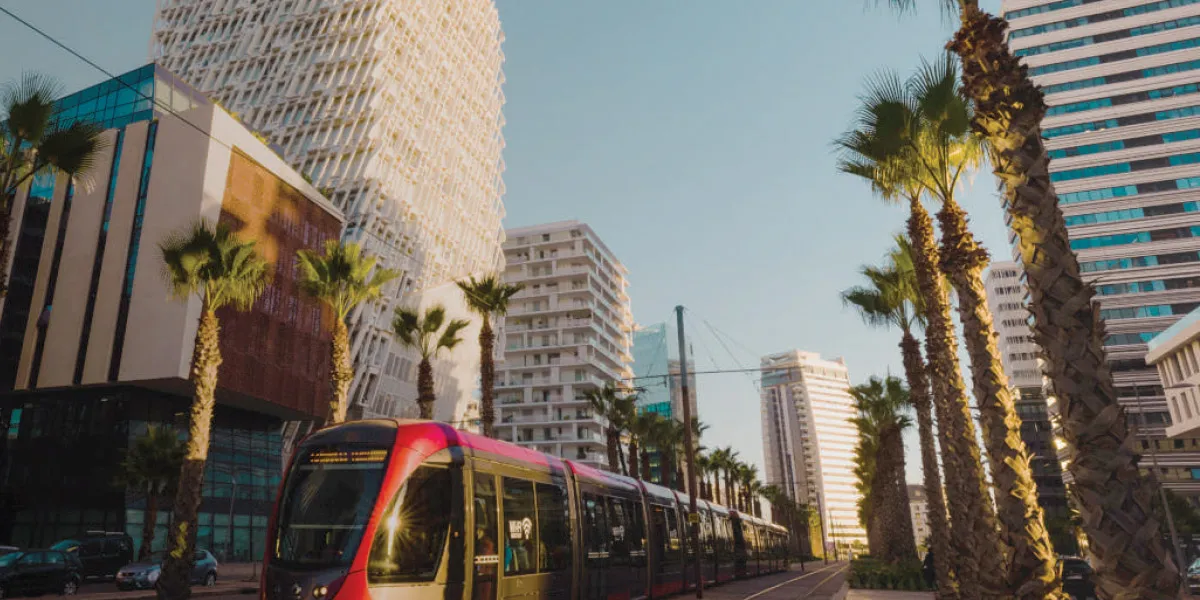
As Morocco gears up to co-host the 2030 FIFA World Cup alongside Spain and Portugal, the city of Casablanca is embarking on a significant transformation of its public transport system. The local public transport authority, Casa Transport, has recently announced an international tender aimed at updating the city's Urban Mobility Plan. This initiative is a vital component of an extensive eight-month strategic study that seeks to lay out a comprehensive transport vision extending through 2030 and beyond.
The impetus behind this ambitious plan stems from the increasing infrastructure demands associated with major developments in the region, including the construction of the Grand Hassan II Stadium in Ben Slimane, which will boast a seating capacity of 115,000. Additionally, there are plans to establish a Regional Express Rail (RER) network and to enhance Mohammed V International Airport, transforming it into a key international hub equipped with high-speed rail services. This strategic overhaul is designed not only to accommodate the influx of visitors expected during the World Cup but also to ensure a sustainable and efficient transport system for the long term.
According to a report from Al Ahdath Maghrebia, the comprehensive study will be grounded in data derived from the 2024 population census and advanced digital traffic modeling techniques. The Urban Mobility Plan envisions the introduction of new mass-transit corridors that will operate on dedicated routes, seamlessly integrating with the forthcoming RER network. Two priority corridors have been earmarked for in-depth technical analysis, highlighting the city’s commitment to modernizing its transit infrastructure.
Furthermore, the initiative includes the implementation of unified ticketing systems and the gradual transition to cleaner energy technologies, such as electric and hydrogen-powered buses. A crucial aspect of the plan is to manage the flow of spectators to stadiums during major events, which will involve detailed mobility modeling and emergency traffic management strategies. Officials involved in the project emphasize that the ultimate goal is to create a lasting transport legacy that extends well beyond the World Cup, ensuring that Casablanca’s transport infrastructure meets the needs of its residents and visitors alike.
This transformative project is being supported by the French Development Agency (AFD), which brings valuable expertise and resources to the table. Such international collaboration is expected to enhance the effectiveness of the plan and facilitate the successful execution of these ambitious transport upgrades.
As reported by northafricapost.com.