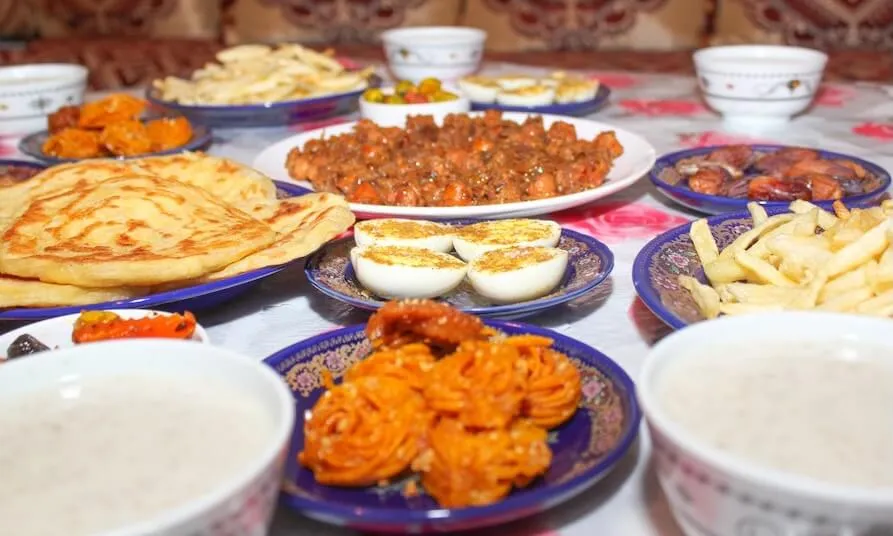

Morocco Launches Comprehensive Food Database for Nutritional Awareness
For years, health professionals and dietitians in Morocco have grappled with the challenge of addressing issues such as diabetes, weight control, and children's nutrition. These professionals often had to evaluate Moroccan dietary habits through the lens of foreign nutritional databases, primarily those from France and the United States. This reliance frequently led to inaccurate assessments of traditional Moroccan foods, complicating efforts to provide effective dietary guidance. However, recent developments are set to revolutionize the way nutrition is approached in the country.
On June 30, 2026, the High Commission for Planning (HCP) of Morocco, in collaboration with the UN Food and Agriculture Organization (FAO), unveiled the Table Marocaine de Composition des Aliments (TMCA). This groundbreaking initiative provides a comprehensive framework for understanding the nutritional content of Moroccan cuisine, marking a significant step forward in public health nutrition.
The TMCA expands Morocco's food composition database from a modest collection of 388 items to an impressive catalog of 1,001 distinct foods. This extensive database evaluates 43 nutritional components for each food item, including essential details such as calories, proteins, fats, vitamins, and minerals. For the first time, many traditional Moroccan dishes are meticulously documented, allowing for precise caloric counts per 100 grams. For instance, the caloric content of popular dishes like Couscous with seven vegetables is recorded as 101.5 kcal, while Harira is noted at 55.4 kcal. This level of detail fosters a deeper understanding of Moroccan dietary practices and empowers health professionals to give informed, culturally relevant dietary advice.
Empowering Health Professionals and Addressing Nutritional Gaps
This new database serves as a vital resource for local healthcare providers, enabling them to replace foreign nutritional data with localized, accurate information about Moroccan foods. This shift is particularly important as it allows for culturally sensitive dietary recommendations, enhancing the quality of care provided to patients. The scientific underpinnings of this database derive from a collaboration with the FAO, which applies global FAO/INFOODS standards to ensure that the data aligns with international research criteria.
However, the establishment of this database is not without its challenges. International nutritional frameworks often overlook the specificities of Moroccan culinary practices, such as communal eating habits and the addition of unmeasured ingredients like sugar and cooking oil. To address these discrepancies, the HCP has worked closely with national experts to develop baseline recipes that accurately represent typical Moroccan cooking methods and serving sizes.
The timing of this initiative is particularly noteworthy, as it coincides with economic tensions that affect food affordability and accessibility. The HCP aims to track these changes by integrating the database into its National Household Living Standards Survey (ENNVM 2025-2026). While urban, middle-class individuals may utilize this data to monitor their sugar intake and manage their weight, lower-income and rural populations often prioritize simply filling their plates amidst rising food prices.
The HCP and FAO assert that this database is intended as a public resource to enhance nutritional literacy across the population. By translating food quantities into concrete nutritional information, it facilitates the identification of regional nutritional deficiencies, concealed malnutrition, and emerging health risks throughout the Kingdom. This initiative not only advances public health but also aims to foster a more informed and health-conscious society.
As reported by en.hespress.com.