A Disturbing Assault in Rabat
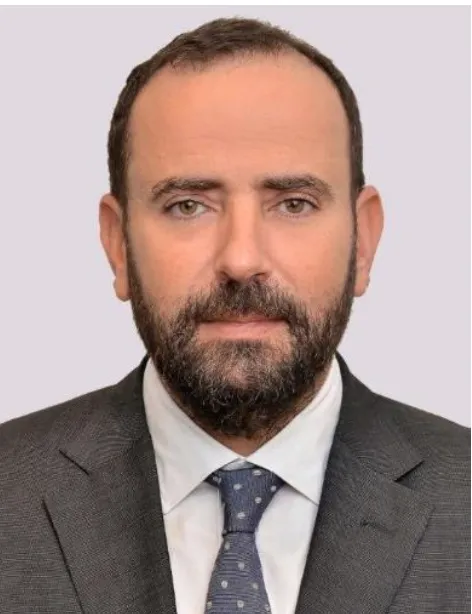
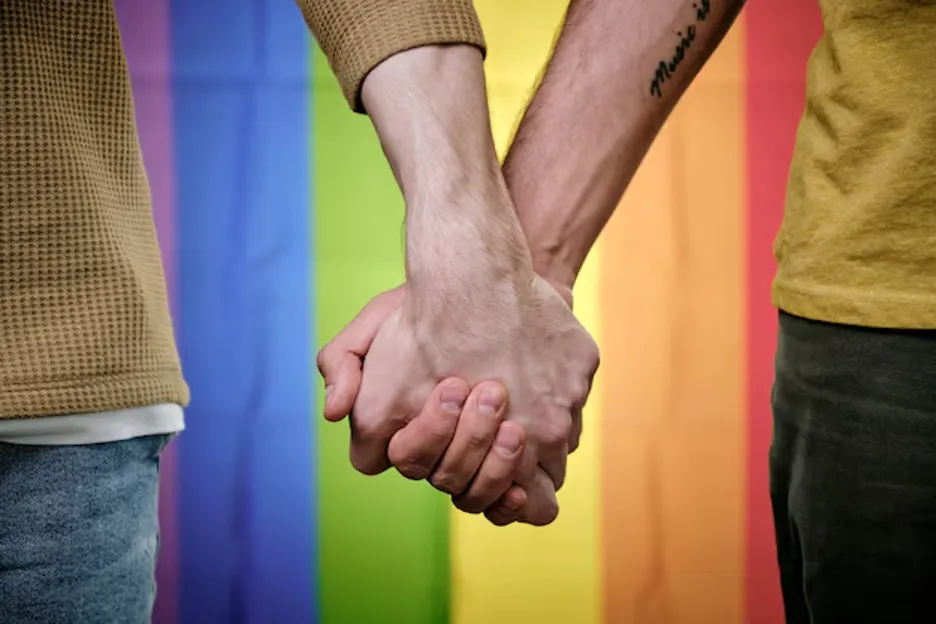
A recent violent assault in Rabat has cast a glaring spotlight on the significant risks faced by LGBTQ individuals in Morocco, revealing a society where legal restrictions and societal stigma heavily influence daily life. The incident involves Mimoun Kabdani, a 30-year-old Moroccan man who was brutally attacked after being seen holding hands with his boyfriend in public, an innocent act that swiftly escalated into a harrowing confrontation.
On a fateful afternoon in February, while walking with his partner through a residential neighborhood, Mimoun was approached by a group of men who emerged from behind a parked car. Initially, the encounter involved verbal harassment, but it quickly transformed into physical violence. According to his account, the assailants encircled him, hurling homophobic slurs and insults, before launching a vicious attack that left him bloodied and injured. In a moment of sheer terror, Mimoun felt a sharp pain and realized he was bleeding, yet somehow managed to escape despite being disoriented and hurt.
The Aftermath and Broader Implications
The attack inflicted not only visible injuries on Mimoun, such as a broken tooth and facial wounds, but it also left deep psychological scars. He has since grappled with anxiety, sleep disturbances, and an overwhelming sense of fear. Everyday activities, like walking outdoors or encountering groups of people, have become sources of distress for him. This incident underscores not only the immediate consequences of such violence but also its long-lasting emotional impact on victims.
Moreover, Mimoun's experience has reignited broader discussions about safety and visibility for LGBTQ individuals in Morocco. Observers have pointed out that even the most basic acts of public affection can provoke hostility in certain environments. In this case, a simple gesture that might be seen as normal in many parts of the world became a catalyst for a violent response, illustrating the precarious balance between personal expression and public safety.
The legal landscape in Morocco adds another layer of complexity to the situation. Same-sex relations are criminalized under Article 489 of Morocco’s Penal Code, exposing individuals to potential imprisonment and fines. Human rights organizations have long contended that such laws foster an atmosphere where LGBTQ individuals may feel vulnerable and hesitate to report acts of violence, fearing legal repercussions or social ostracism.
Experts have highlighted that the combination of stringent legal restrictions and prevailing social attitudes creates a daunting reality for LGBTQ individuals in Morocco. While the country strives to project an image of modernity and global engagement, particularly in tourism and international relations, critical conversations about personal freedoms, cultural values, and legal frameworks remain ongoing.
Mimoun’s courageous decision to publicly share his story has added a personal narrative to these larger discussions. He insists that his experience is not an isolated incident but rather part of a broader trend affecting many individuals in similar circumstances. His testimony contributes significantly to ongoing dialogues surrounding safety, dignity, and the fundamental right to live openly without fear.
In a broader context, incidents like Mimoun's highlight the myriad challenges faced by individuals attempting to navigate their identities in environments lacking comprehensive legal protections. Experts argue that addressing these issues necessitates not only legal reforms but also societal discourse and heightened awareness. As we move forward, stories like Mimoun’s continue to spotlight the human toll behind policy debates and public discussions.
Mimoun Kabdani has bravely chosen to share his real name and account of the events, rather than using a pseudonym for protection. He expresses, “I have chosen to speak openly because I believe visibility is important.” Although he has long admired the efforts of Moroccan LGBTQ rights activists, he has done so from a distance. He reveals, “For me personally, the future is uncertain. My main priority is safety and finding a way to live without fear. I am currently seeking protection and exploring options that would allow me to rebuild my life in a place where I can be myself openly and safely.”
He further emphasizes the urgent need for visibility and dialogue within the LGBTQ community in Morocco, stating, “Many people continue to live in silence due to fear of violence, legal consequences, and social rejection. Change may take time, but raising awareness and sharing real stories is an important step toward greater understanding and respect.”
As reported by 76crimes.com.